The feel
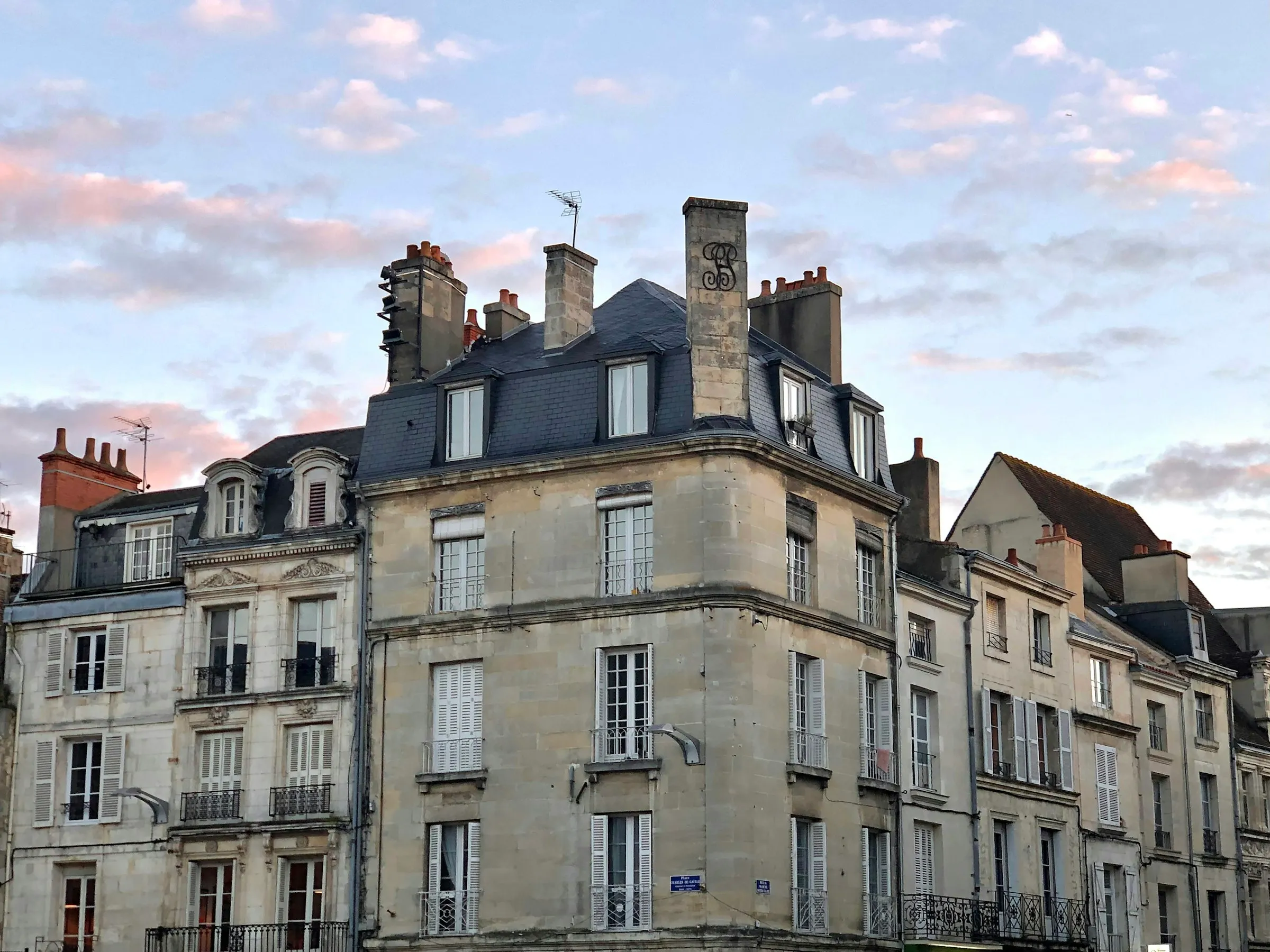
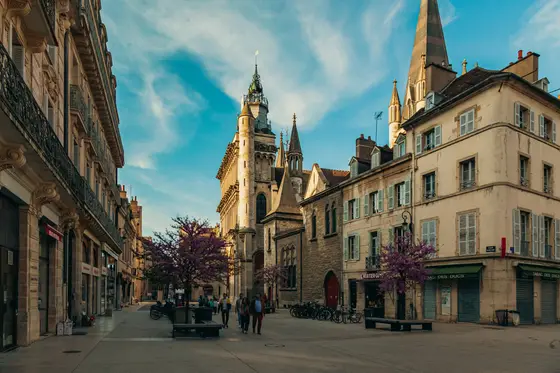
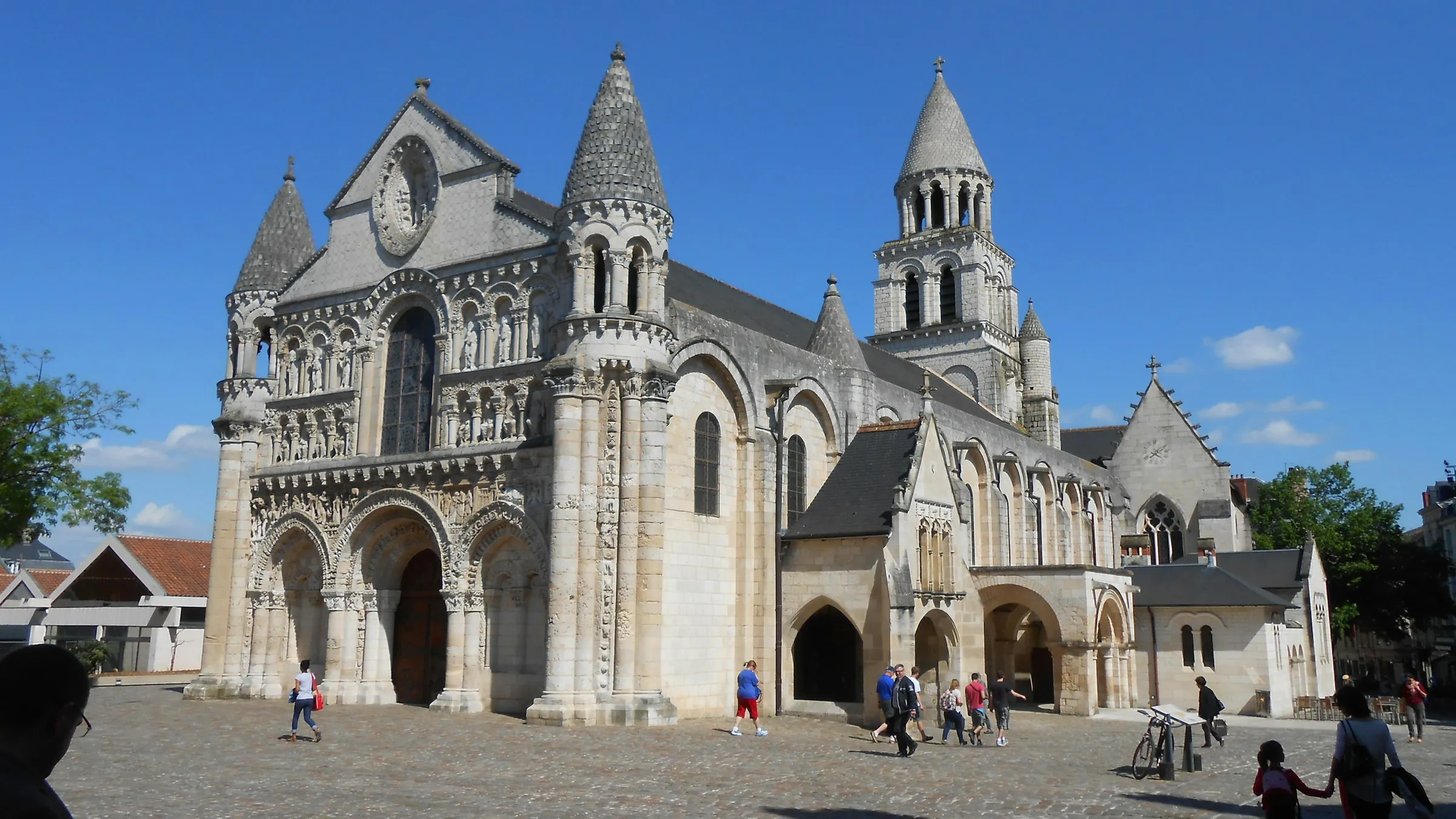
Poitiers stands on a promontory above two small rivers, and the old city rides the top of it: Romanesque churches — the carved façade of Notre-Dame-la-Grande is the most studied page in the Romanesque book — lanes that bend with the hill, and a university teaching since 1431. Its roughly 30,000 students share the plateau with about 90,000 residents, which is why a city this size runs three cinemas, screens films undubbed, and counts 85 protected monuments without feeling like a museum. It is a working city, not a curated one: handsome streets, and honestly, a share of shuttered storefronts.
Market day
The Marché Notre-Dame runs Tuesday through Saturday mornings in the covered halles on Place Charles de Gaulle — 28 permanent vendors, done by one o'clock — and on Saturday the square outside adds 80-odd open-air stalls beneath the church façade. It is a locals' market in the strict sense: it feeds the neighborhood, it closes on public holidays, and nobody is performing for tourists, because there are not many to perform for.
Where your coffee happens
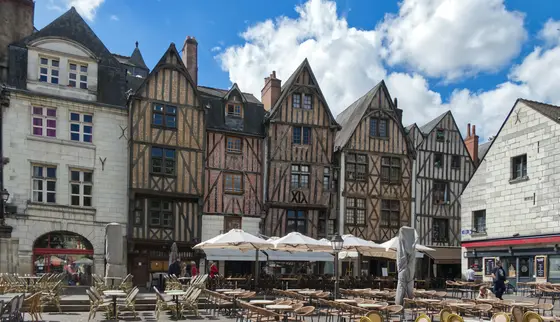
Facing Notre-Dame-la-Grande on the market square, if you want Saturday's theatre; on the broad terraces of Place du Maréchal-Leclerc, by the hôtel de ville, on the other five mornings. Students and retirees split the chairs about evenly, which keeps both the prices and the conversation honest.
A Saturday here
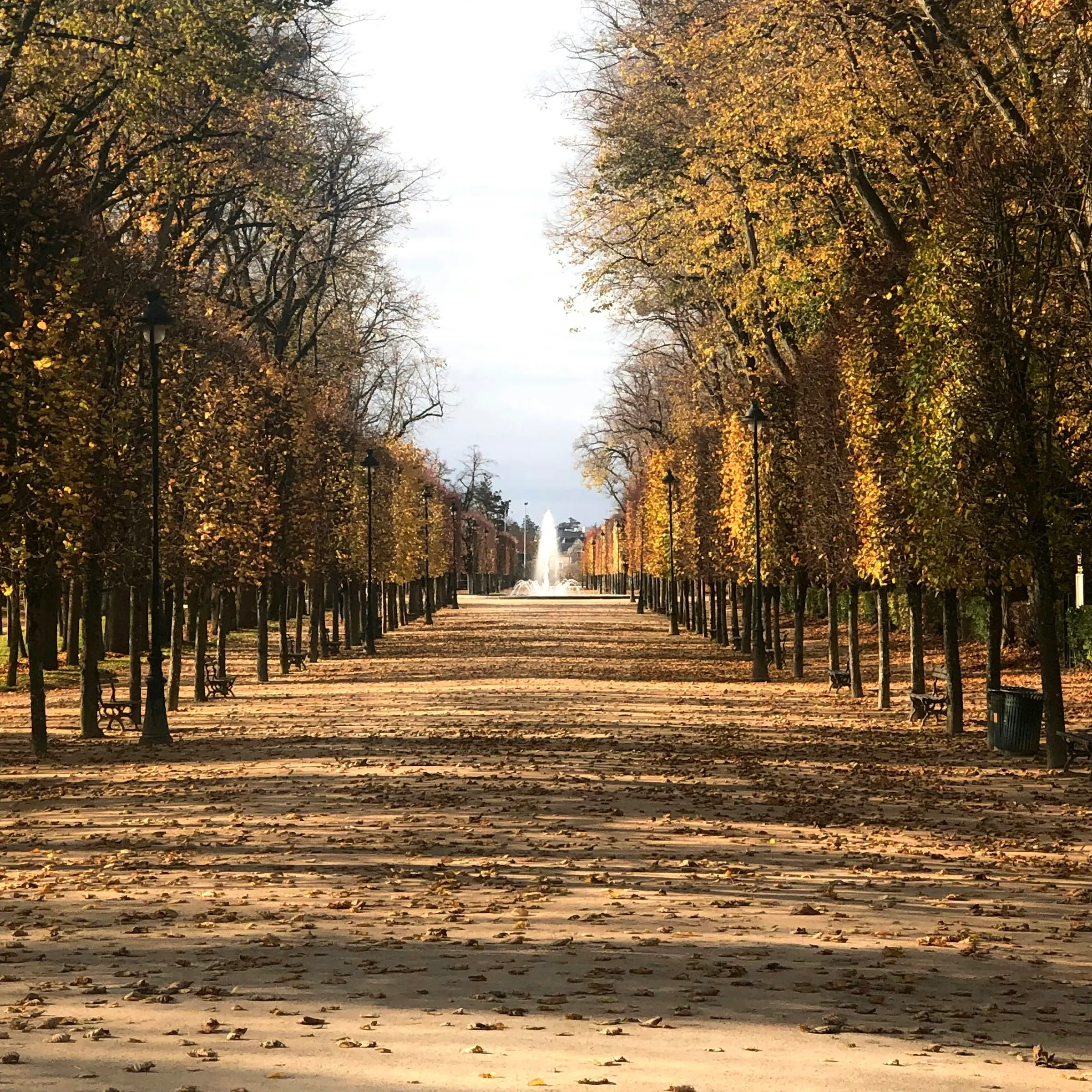
Market early, while the halles are still serious. Then the loop the hill invites: the façade in raking light, the lanes down the slope, and Parc de Blossac at the plateau's southern lip, looking over the Clain valley. Lunch long. In the afternoon, an undubbed film at one of the art-house screens — the city counts some 21 festivals across the year, so many weekends bring their own program without your planning one.
The year, honestly
The numbers come from the Météo-France station at Poitiers-Biard, the city's own airfield just outside town, so there is nowhere to hide: about 1,940 hours of sun a year, 109 days with rain, 45 mornings of frost. That is a real western-France winter — grey, damp, and longer than the postcards admit. The trade is a genuinely easy summer, around 16 days a year over 30 °C, and no tourist tide at all: second homes are 3.4 percent of the housing stock, so February and August are the same city — August simply quieter, because the students are gone.
Who thrives here
People buying the city, not the view. Recent sales average about €2,200 per square meter and rents run around €12 — for a place with a university hospital about ten minutes from the center, good access to family doctors, and a serious covered market five mornings a week, that is one of the sharpest value equations in western France. It suits people who like young faces around them, and francophiles ready to build their circle in French: the anglophone community here is small and skews British, though the town has an AVF welcome association and an English conversation club.
Think twice if
You are moving to France for light and landscape — Poitiers has neither the south's sun nor any coast or mountain drama, and the winter greyness is real. You want a ready-made American circle: there isn't one. You expect English-speaking medicine — our research surfaced no named anglophone practice here, so plan on doctors' appointments in French or with help. And this is a mid-size city, not a village: expect ordinary urban caution, and a center still working through its retail decline.
The orbit
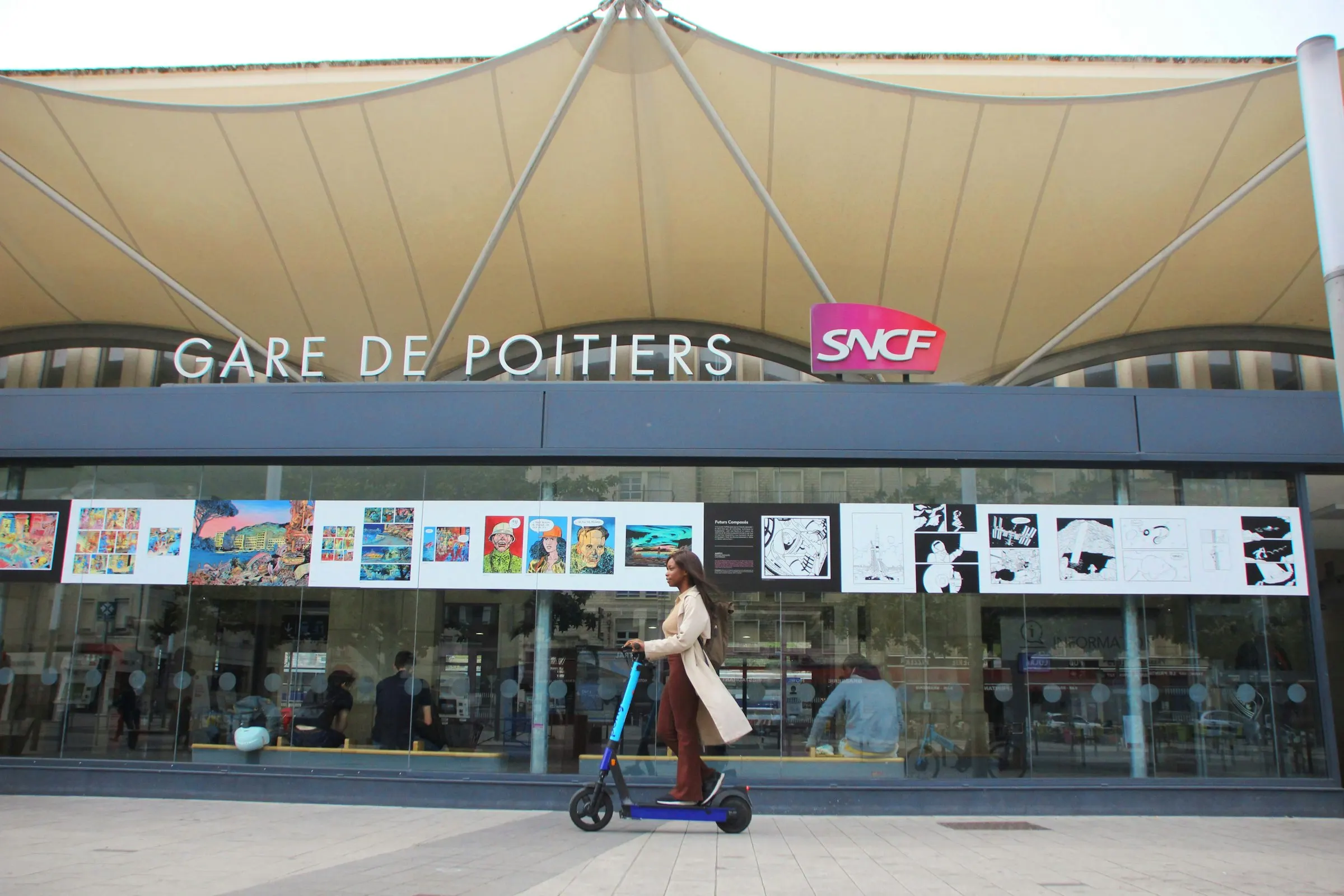
Paris in about an hour and twenty by TGV; Bordeaux in about an hour on the fastest trains; La Rochelle and the Atlantic about an hour and a half by direct train. Futuroscope, the theme park your grandchildren already know, sits ten kilometers north with its own TGV stop. The little Poitiers-Biard airport is ten minutes away, but the trip home to the States is a one-stop itinerary through a major hub.
The Aelos view
Poitiers is our clearest answer to a specific question: how much real French city can a careful budget buy? If your priorities are healthcare, a market, a train, and a low cost of living — and you can look a grey January in the eye — few places deliver more per euro. If what you are actually buying is light, scenery, or an established expat community, we would point you south.