The feel
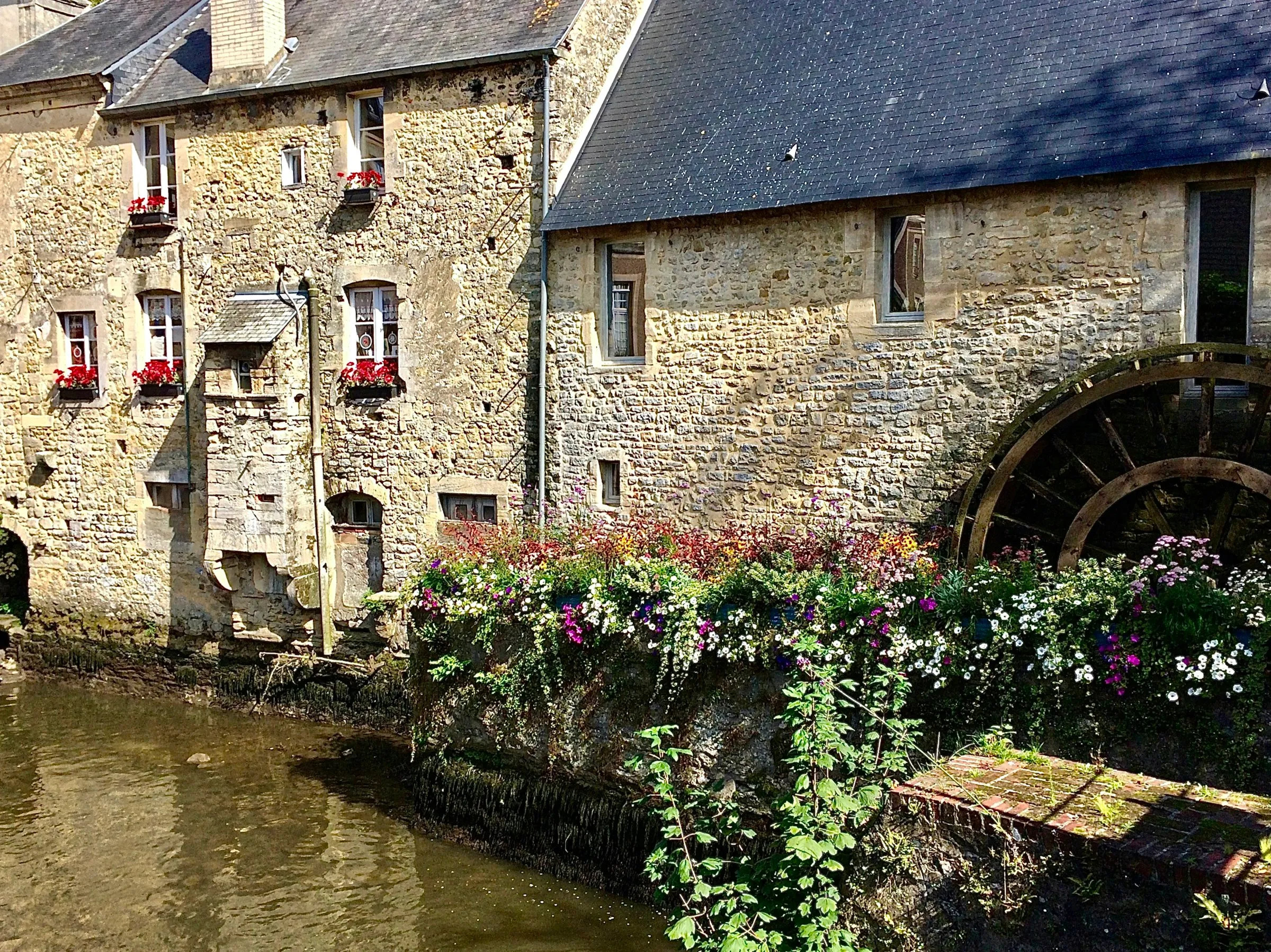
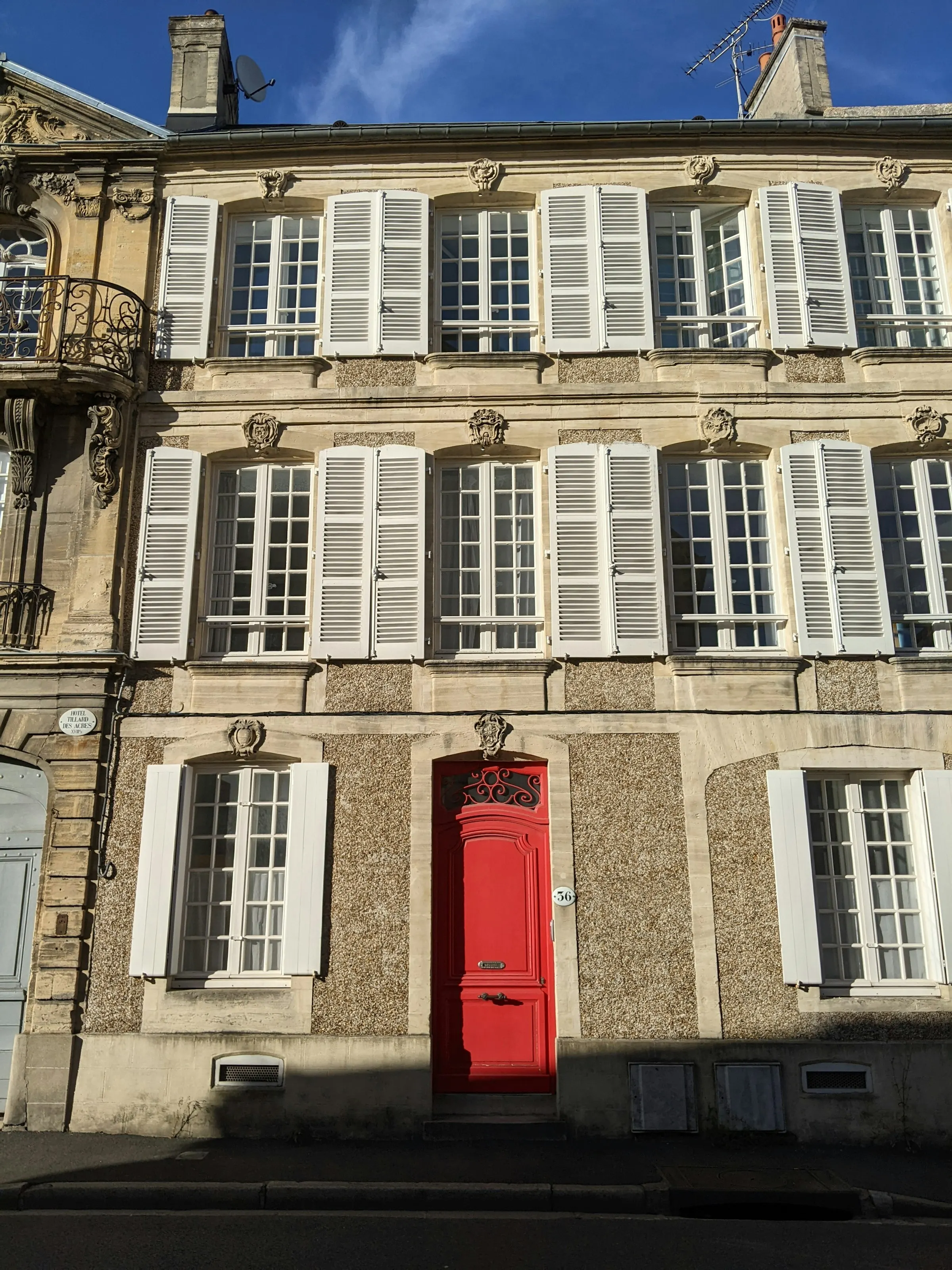
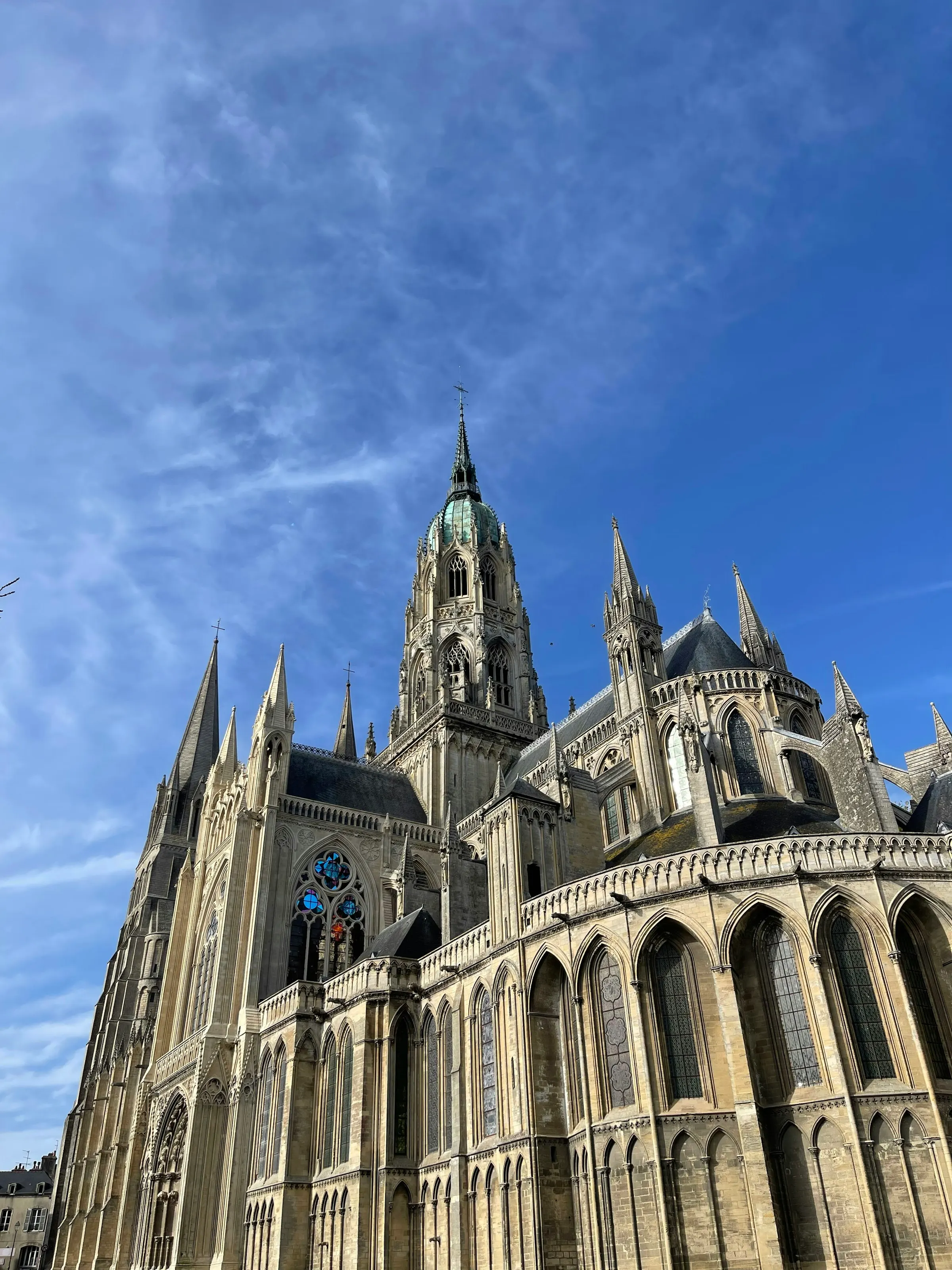
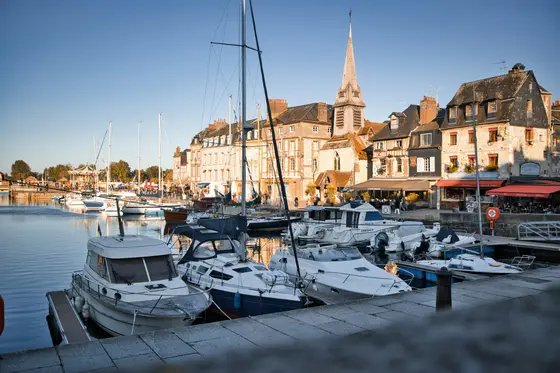
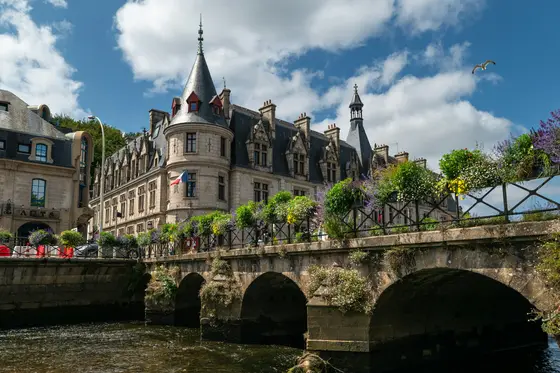
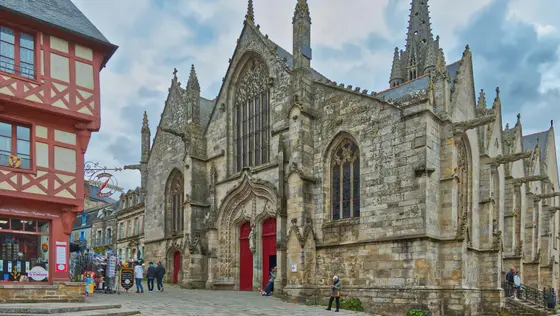
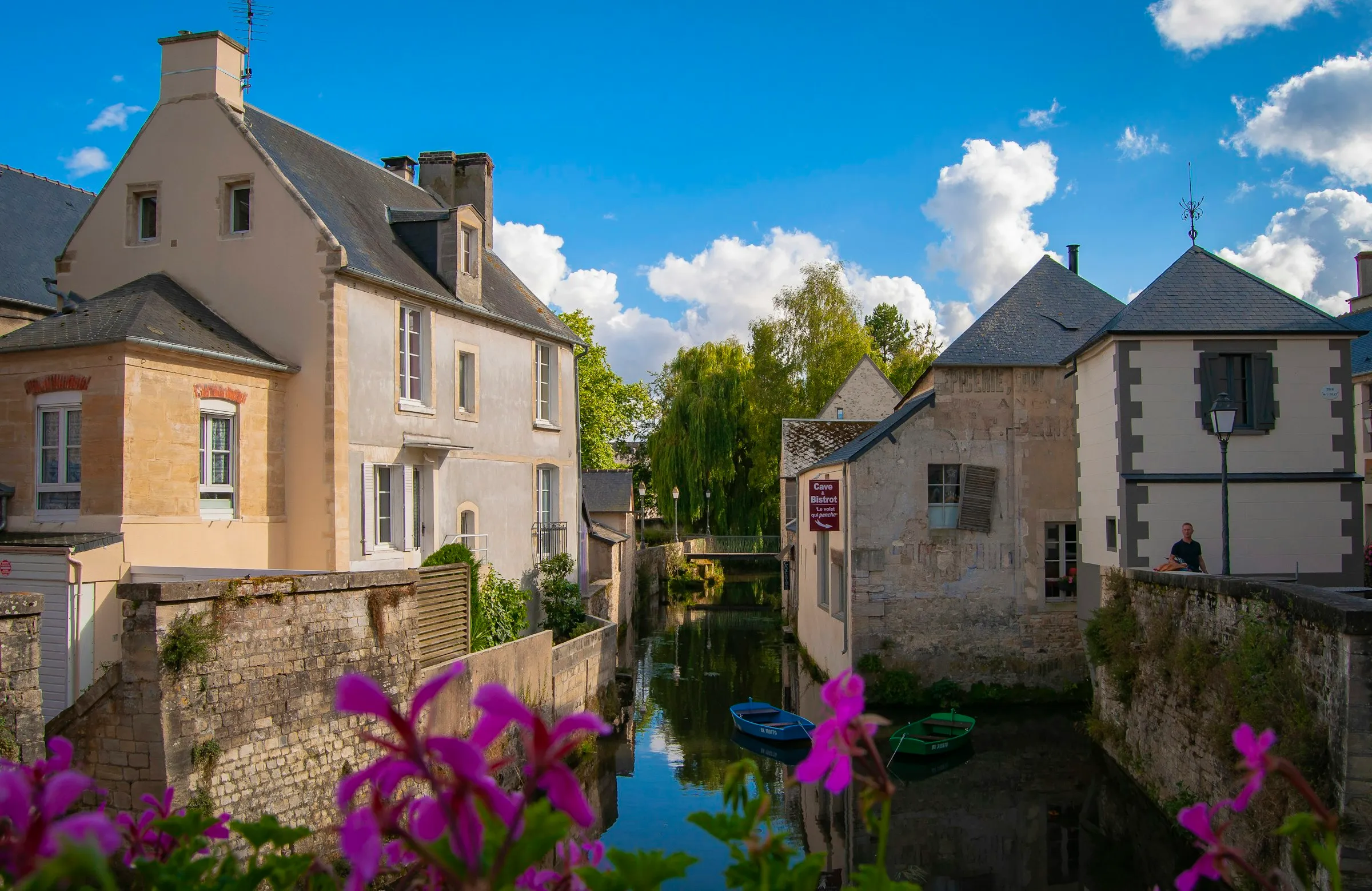
The cathedral appears at the end of most streets — Norman, enormous, out of all scale with a town of twelve thousand-odd. Bayeux was liberated the day after the landings, almost untouched, and the reprieve is the town: a medieval core of stone and half-timber that most of Normandy lost, thirty-one listed monuments among the boulangeries. Daily life fits on foot, the same faces come around, and the Anglo-Norman gravity is real — nine centuries of looking across the Channel, eighty years of the world looking back.
Market day
Saturday structures the week: from half past seven the Place Saint-Patrice fills with what Normandy actually produces — butter and cream, cheeses, cider, apples in autumn — and clears by early afternoon. Wednesday brings a smaller version to the pedestrian rue Saint-Jean, better for shopping at talking pace. In summer a Thursday-evening producers' market appears on the Place de la Liberté.
Where your coffee happens
On the rue Saint-Jean if you like company — it is the street where Bayeux walks past itself — or in the quieter lee of the cathedral if you don't. And this is tea-room country: Bayeux keeps a proper four o'clock, an Anglo-Norman habit you'll find either charming or suspicious.
A Saturday here
Market first, then the cathedral, then lunch off Saint-Jean. The afternoon is what makes Bayeux unlike anywhere else in France: the sea is ten minutes north, and it is that sea — Arromanches and the remains of the Mulberry harbour, and twenty-five minutes west, the American Cemetery at Colleville-sur-Mer, white marble above Omaha Beach. Nobody here is ever far from what the place remembers. In winter, the same drive with the coast to yourselves.
The year, honestly
The nearest Météo-France station — Caen-Carpiquet, the airport twenty kilometres east — logs about 1,750 hours of sun a year and 126 days with rain: green country because it is watered country, and from November to February the light is low, grey, and often wet. In exchange, summer barely needs managing — about four days a year over 30 °C — and the town never empties: second homes sit around 4 percent, so the market runs on residents, not renters. The tourist tide is real — D-Day week in June, the Médiévales at the turn of July with crowds in the tens of thousands, coaches through August — and October belongs to the war correspondents' prize, a week of serious journalism hosted here since 1994. Note that the Tapestry's museum is closed for rebuilding until October 2027 — the tapestry itself spends part of the wait at the British Museum in London — so plan around its absence rather than around it.
Who thrives here
People who choose green over golden and mean it. Anyone for whom medicine is the first filter: the hospital is in town — two minutes, not a figure of speech — the university hospital in Caen about twenty-five minutes away, and home-help and elder-care capacity near the top of our dataset. And people content with a small, warm English-speaking circle rather than a scene: anglophone life is event-based and British-leaning — a Royal British Legion branch, a welcome association — with English-speaking doctors on the US Embassy's list in Caen.
Think twice if
You need sun to be well: 1,750 hours a year is roughly a thousand fewer than the Mediterranean south, and the Norman grey moves in for the whole winter. You want American neighbours — permanent Americans are few, and the community gathers around events, not a calendar of its own. You want urban texture: one cinema, modest shopping, a summer economy pointed at visitors. Or you fly home often — no TGV, Caen's airport flies domestic only, and every trip to the States begins with the train to Paris.
The orbit
The coast at Arromanches, about ten minutes. Caen — university hospital, cancer centre, real shopping — about twenty-five minutes. Direct trains to Paris Saint-Lazare run roughly ten times a day, most in around two and a half hours; Charles de Gaulle is close to three hours by road. The rest is the Bessin itself: cliffs, cider country, small stone villages the coaches skip.
The Aelos view
Bayeux is the inverse of the Mediterranean bet: the weather is the price and nearly everything else is the reward — a two-minute hospital, a market town that runs year-round, old stone at about €2,500 a square metre, and perhaps the one corner of France where being American carries its own quiet standing. We'd send people who know they can live with a wet February, and steer confirmed sun-lovers — or anyone needing a large expat scene — further south. Visit in November first; if November doesn't frighten you, little else here will.