The feel
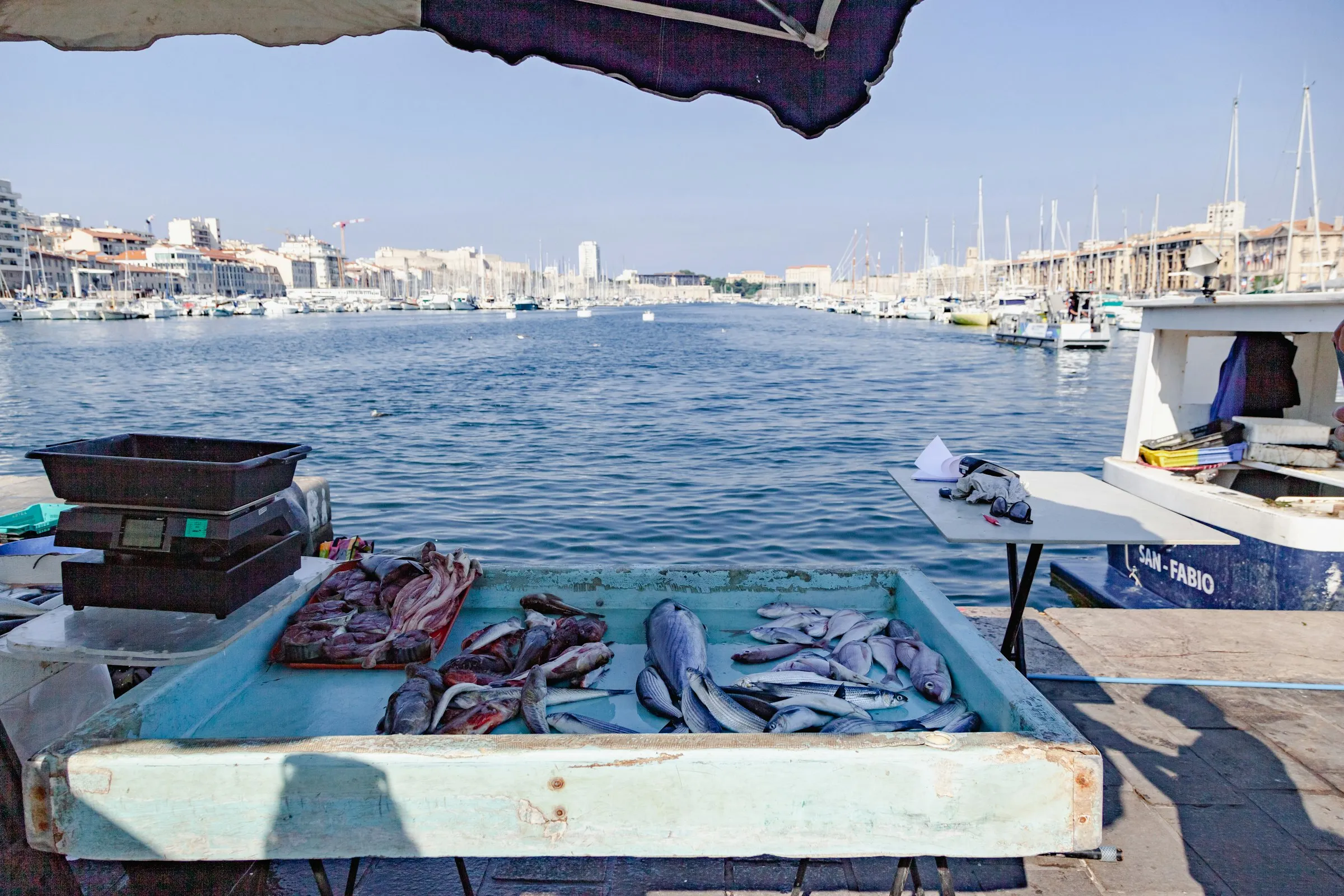
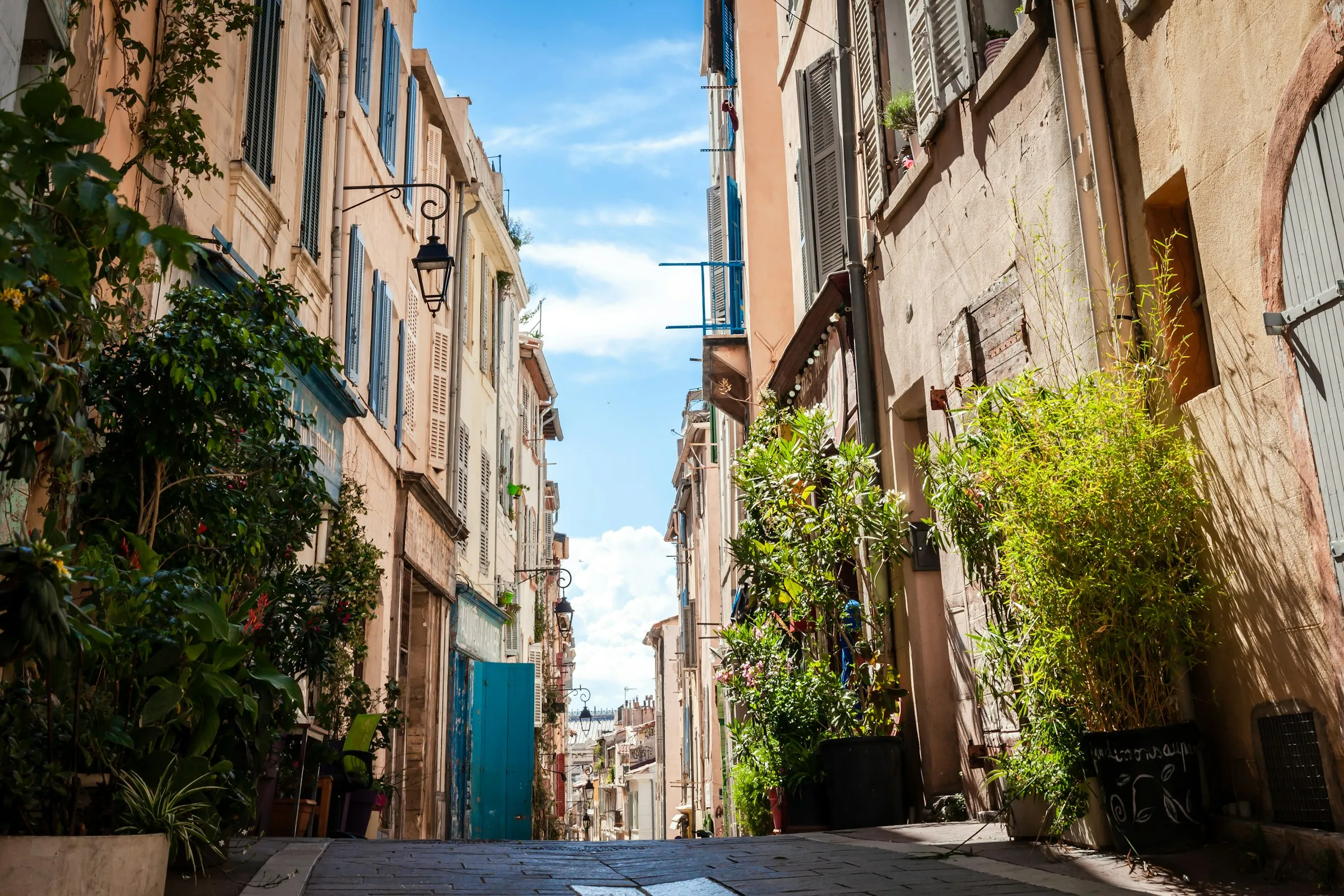
Every morning on the Quai de la Fraternité, at the foot of the Vieux-Port, a handful of small boats ties up and sells the night's catch — sea bream, scorpion fish, whatever the Mediterranean surrendered. The city behind them has been doing this for twenty-six centuries and sees no reason to tidy itself for you. France's oldest city is nothing like the lavender-postcard south: loud, graffitied, argumentative, ravishing from the water. People fall for Marseille inside a weekend or not at all; it is serenely indifferent either way.
Market day
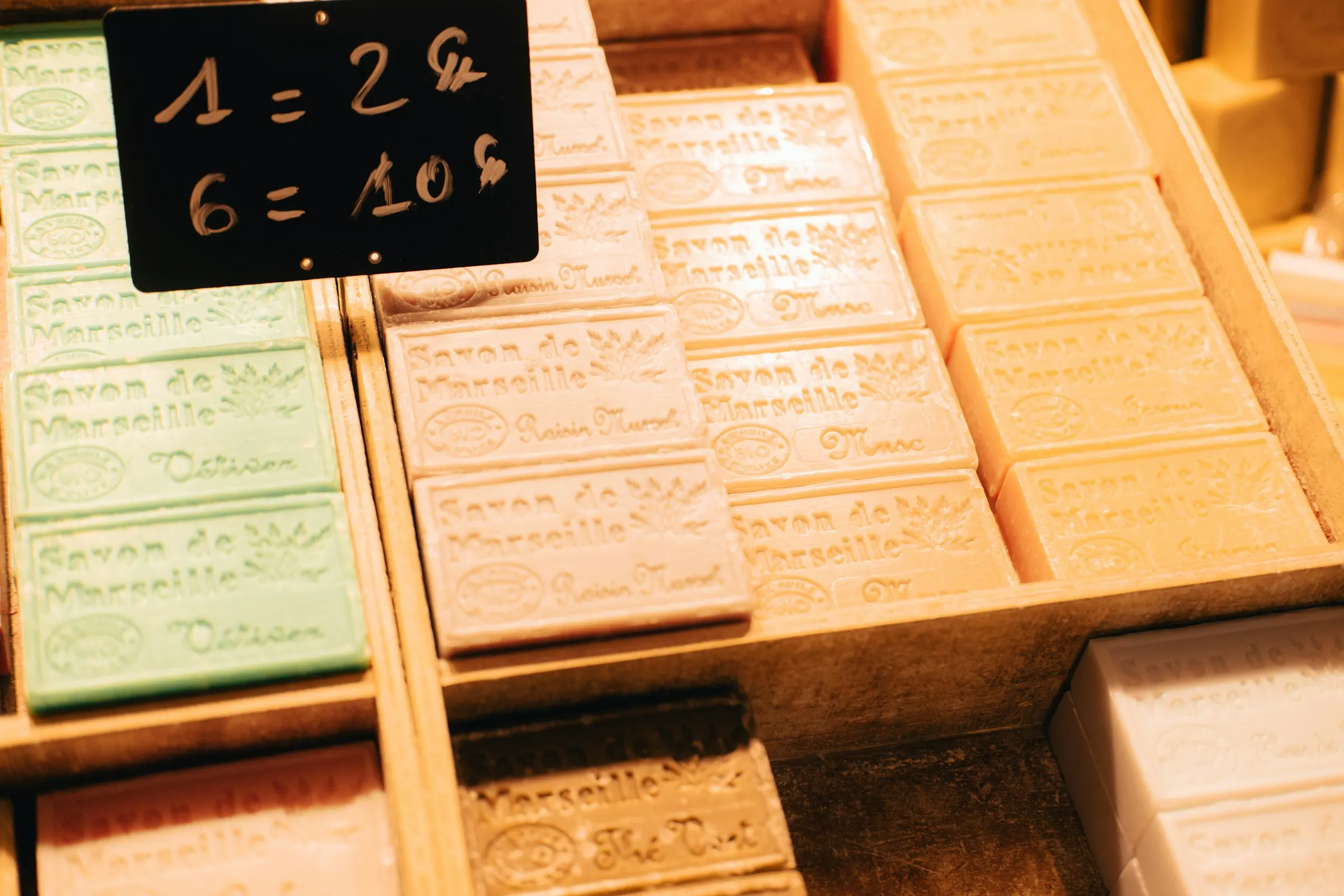
Your market depends on your arrondissement. Noailles, just off the Canebière, runs Monday through Saturday — dense, loud, North African in accent, the spice-scented pantry of the whole city. Wednesdays, the Cours Julien — the creative quarter uphill — holds an organic producers' market. And along the avenue du Prado, between Castellane and Périer, runs one of the biggest street markets in France. None of it is staged; it is how Marseille eats.
Where your coffee happens
In a city of 886,000 the arrondissement is the town, and Americans here overwhelmingly choose the sea-facing south: Endoume and Roucas-Blanc in the 7th, where village habits persist steps from open water, and Prado–Périer in the 8th — plane-tree avenues, parks, beaches at the end of the street. Coffee happens on a Vieux-Port terrace for the theatre, in Endoume when you want your face known, or in the Vallon des Auffes, the pocket fishing port below the Corniche, when you want to forget the city entirely.
A Saturday here
The Prado market or the fish quay first, then the Corniche Kennedy: the seafront road from the Catalans beach to the Prado beaches, the Frioul islands offshore the whole way. Lunch is whatever the boats brought in. Afternoon at the Mucem, whose footbridge lands you on the ramparts of Fort Saint-Jean; evening up on the Cours Julien — or in the sea, if it's June.
The year, honestly
The Météo-France station is at Marignane, on the airport plain twenty kilometers northwest, and its ledger is emphatic: nearly 2,900 hours of sun a year, rain on barely 54 days, and about fifty days over 30 °C. The mistral is the other resident — unasked, and the reason the light looks scrubbed. July and August are hot and thick with visitors around the port and the calanques. But only 3.4 percent of homes are second homes: Marseille never empties, and its festivals run from spring into late autumn. Winter is bright, windy, open for business; frost manages twenty-odd mornings a year and rarely stays past breakfast.
Who thrives here
Committed city people: fourteen cinemas, five art-house with original-language screenings, 117 protected monuments. Anyone for whom medicine decides — a university hospital and a dedicated cancer center minutes away, GP coverage among the best we track. Sea people: swimmers, sailors, walkers of the calanques. And the self-sufficient — anglophone life is diffuse here (a US Consulate General that publishes an English-speaking doctor list, an Anglican parish, an AVF welcome group), so your French, not an expat circle, will carry your week.
Think twice if
You want France polished — Marseille is scruffy in ways that don't photograph well: graffiti, litter, noise, a certain municipal chaos. The drug-trade violence in the national headlines is concentrated in the northern arrondissements, a different geography from the neighborhoods above, but real — and pickpocketing and car break-ins are a citywide discipline. If the headlines would sit on your shoulder, choose elsewhere. Think twice if fifty days over 30 °C reads as a sentence rather than a summer; if you pictured village France — this is a metropolis, with sirens and fast, slangy French; or if flying home must be nonstop — from here it means a European connection.
The orbit
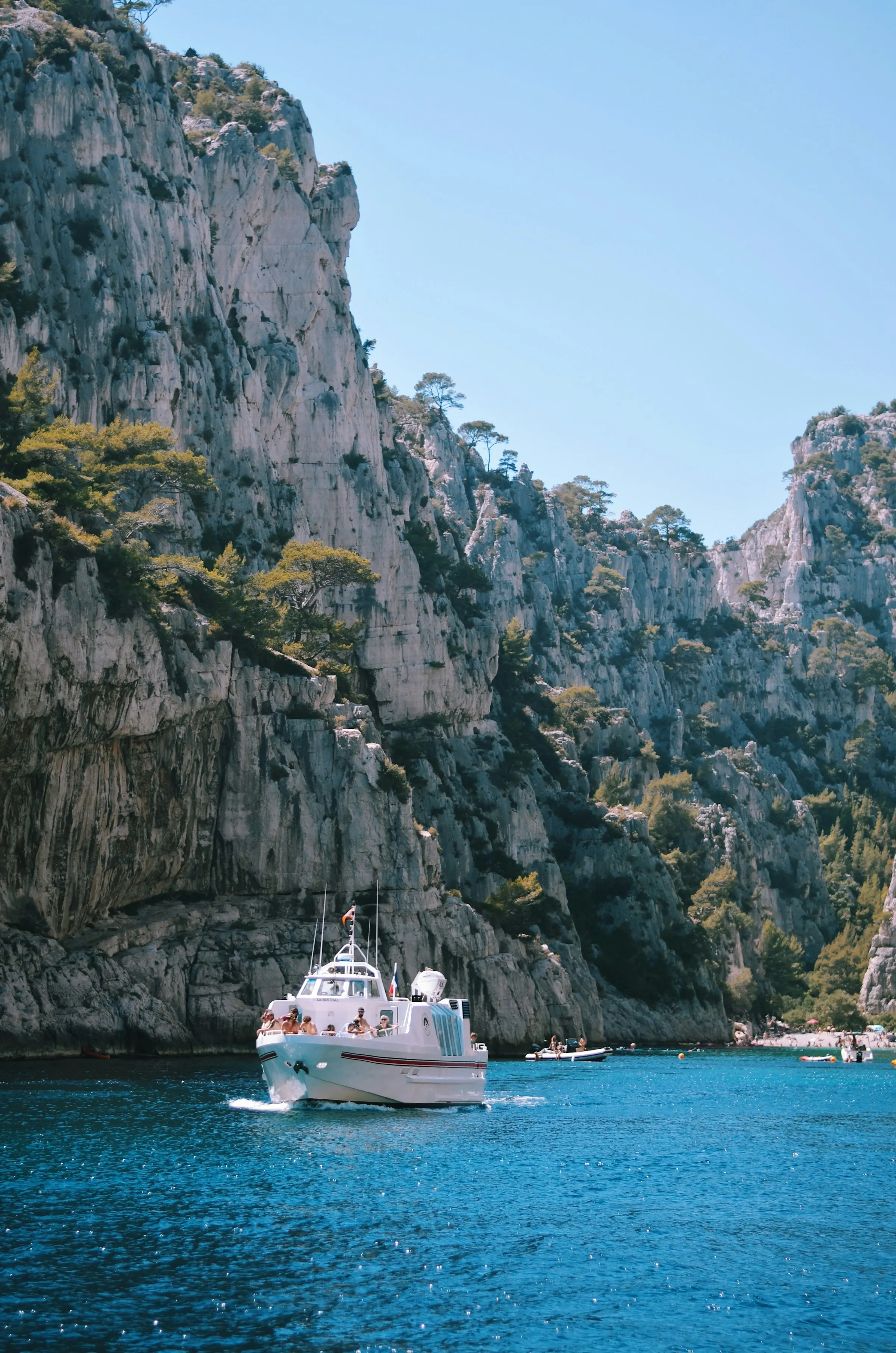
Cassis is about twenty minutes by local train, dozens of departures a day. Aix-en-Provence, about thirty by car. The Calanques National Park needs no trip — twenty kilometers of white cliffs and coves beginning inside the city limits and running to Cassis. Marseille-Provence airport is thirty minutes out; the TGV from Saint-Charles reaches Paris in just over three hours.
The Aelos view
Marseille is the city we recommend with a raised eyebrow and real affection. For a confident, city-fluent couple it may be the strongest package in the south: serious medicine minutes away, a national park at the end of the bus line, homes around €3,250 a square meter, rents near €16. We'd send the urban, the sea-hungry, and the self-sufficient; we'd steer anyone who wants quiet, order, or ready-made English toward a smaller town — and say so warmly, because Marseille punishes ambivalence.