The feel
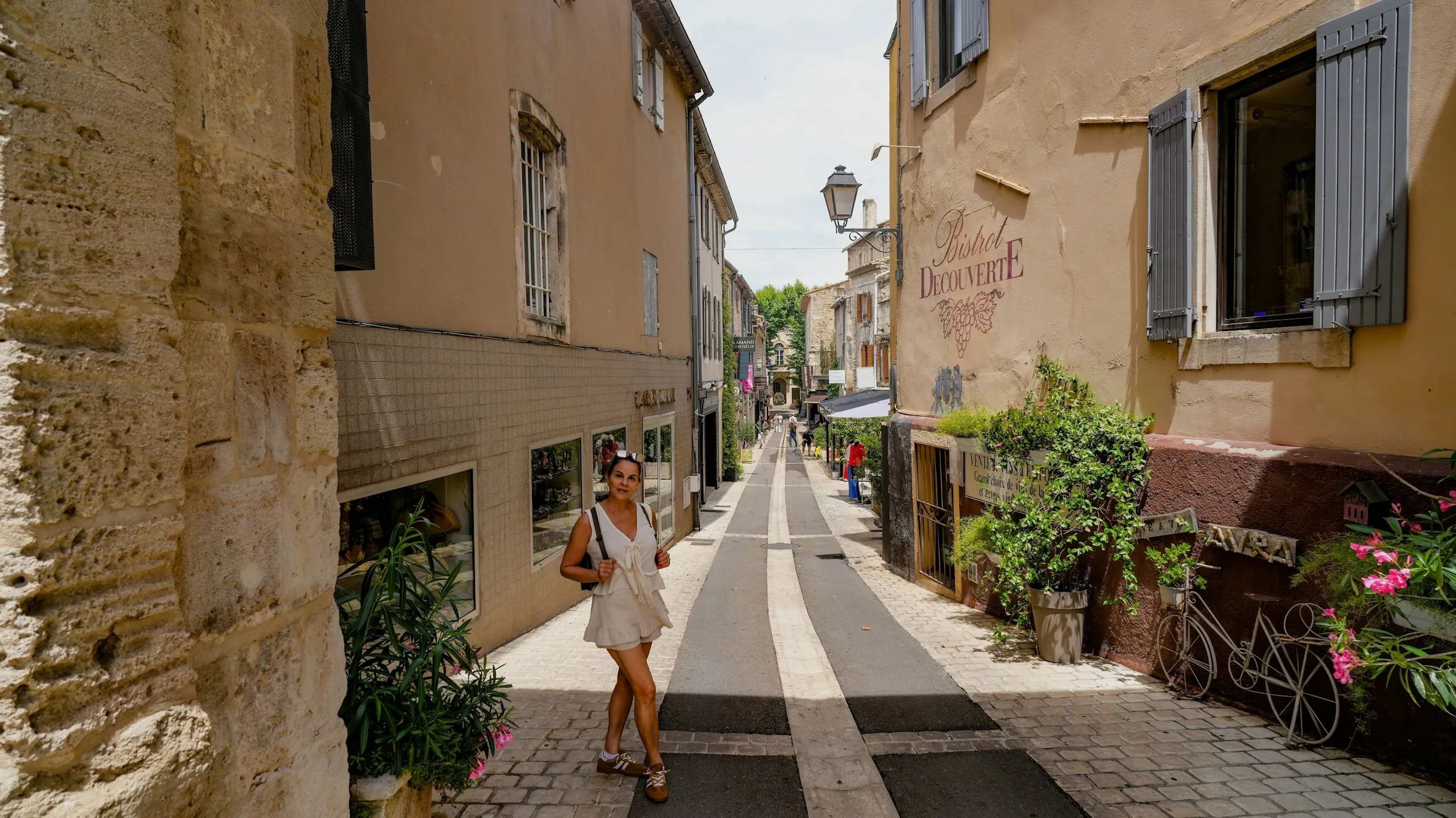
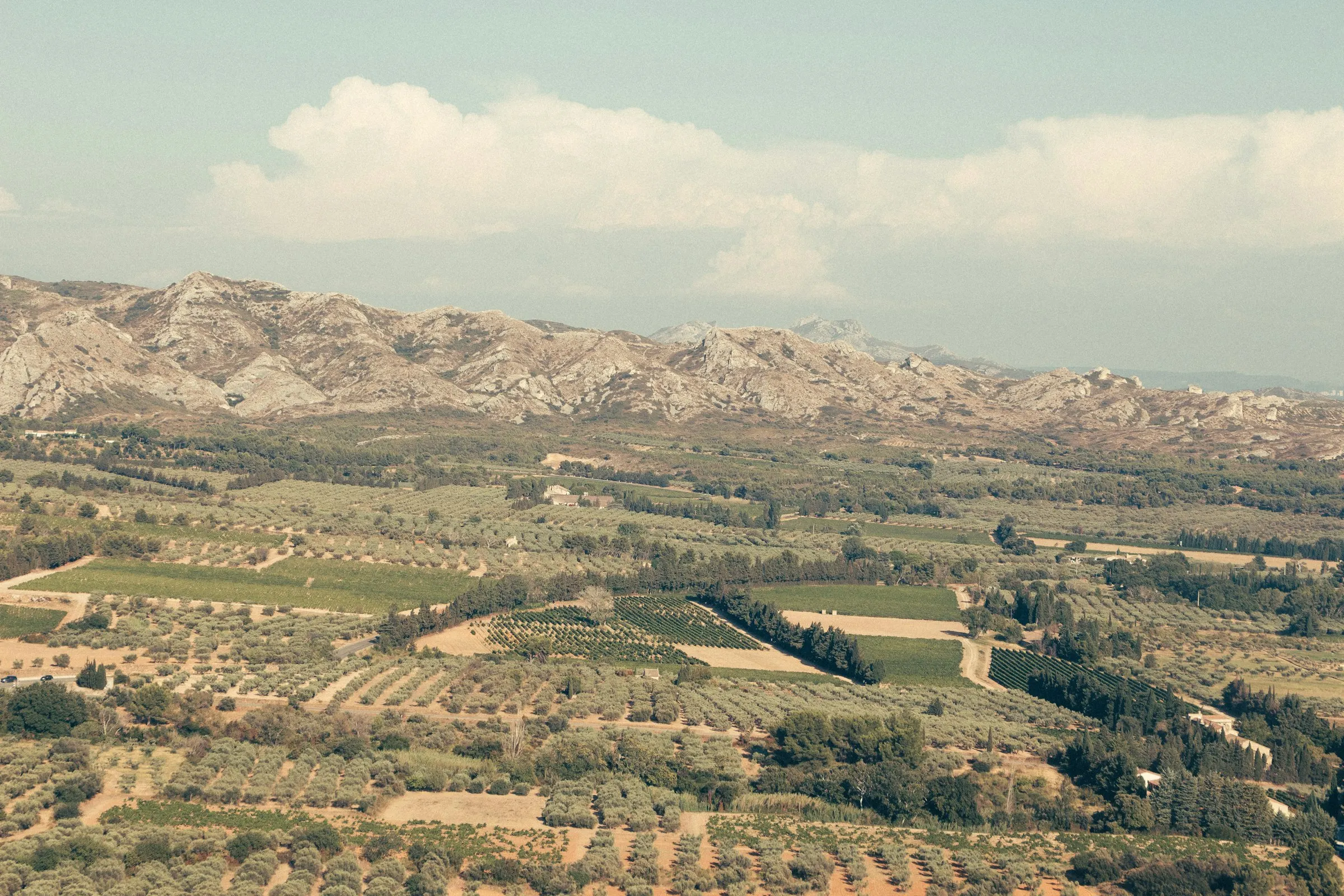
A ring of plane-tree boulevards traces the old ramparts; inside, the old town is barely half a kilometre across — fountains at the lane crossings, one wearing a bust of Nostradamus, born here in 1503. Saint-Rémy is the polished face of the Alpilles, the small limestone range sawing across the horizon just south, and it doesn't pretend otherwise: the galleries, the linen shops, and the olive-oil boutiques are run by people who moved here on purpose. Yet it is a working town behind the façades, not a stage set, and the beauty is no invention — Van Gogh painted these exact olive groves, and you can walk to where he stood.
Market day
Wednesday, year-round, roughly eight to one. The stalls take the Place de la République and spill down the lanes of the old centre; in high season it swells to hundreds of exhibitors — producers, but also potters, linen, spices, and a fair amount of theatre for visitors — and in winter it contracts back to the food — the version you'll like best. It steps aside only for the September votive festival. There is also a quieter counterpart: a small producers-only market, fifteen or so stalls on the Avenue de la Résistance, on Saturdays.
Where your coffee happens
On the boulevard, facing the plane trees, for the town's whole cast walking past; on a small square inside the ring if you'd rather share the morning with a fountain. Both fill with English in July. Neither does in January.
A Saturday here
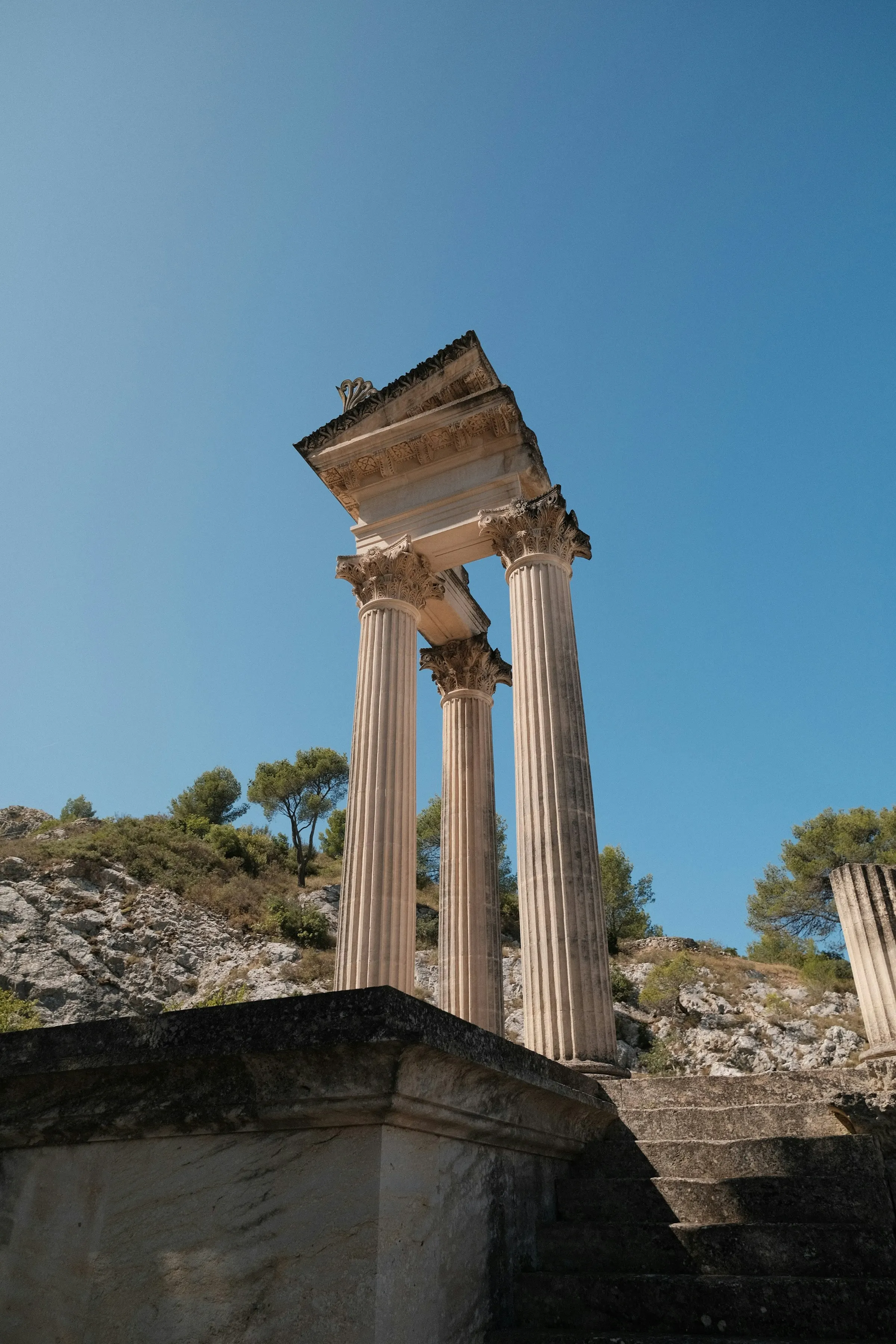
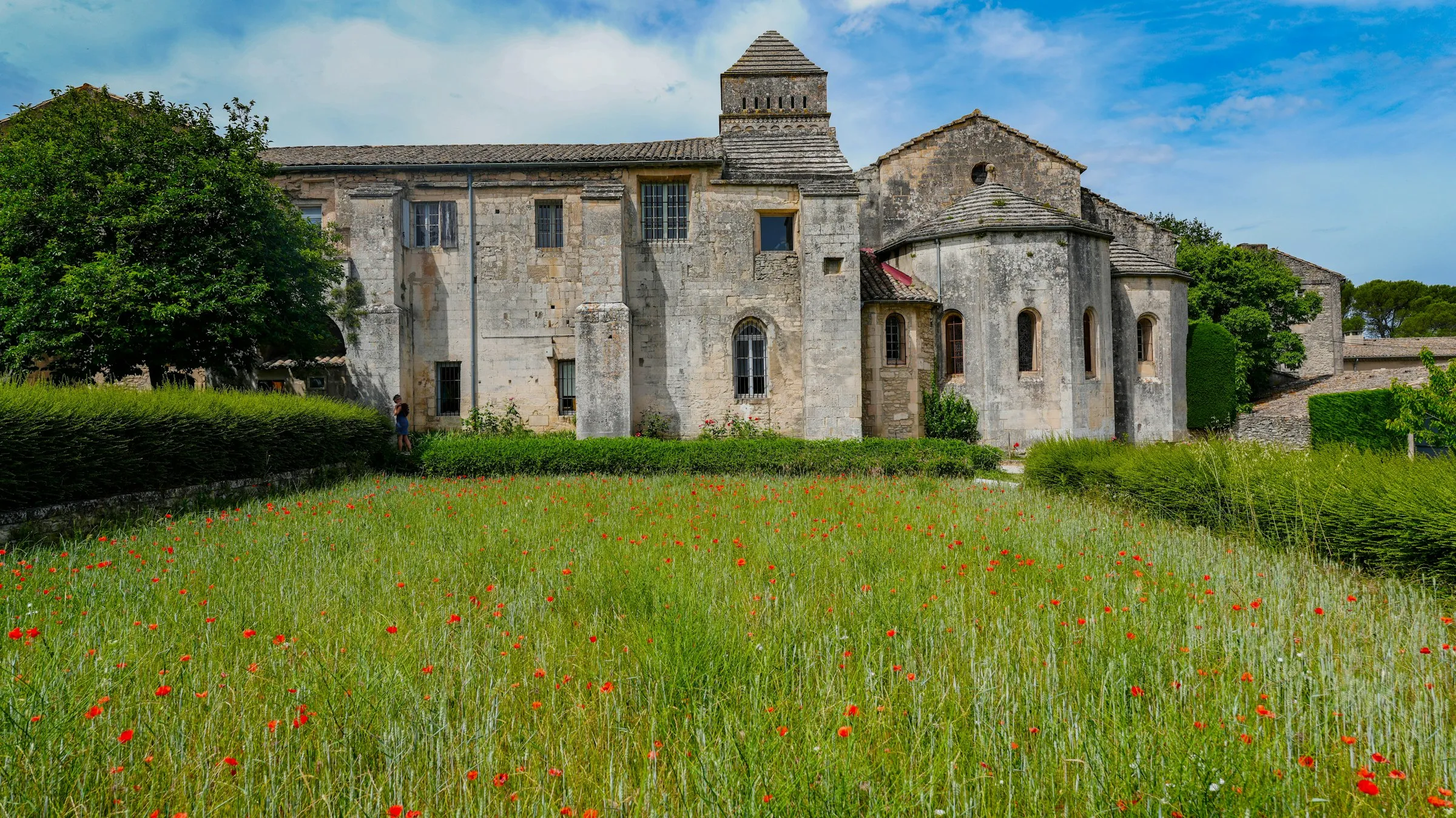
Start with the walk the town hands you: a 1.5-kilometre footpath south from the centre to Saint-Paul-de-Mausole, the monastery-asylum where Van Gogh committed himself for a year — the irises, the olive trees, The Starry Night — lined with reproductions of his canvases set roughly where he painted them. Next door: the Roman ruins of Glanum, arch and mausoleum standing free by the roadside. Lunch back in town, late. In the afternoon, drive up into the Alpilles — Les Baux is fifteen minutes over the ridge.
The year, honestly
This is the hot heart of the south: the closest long-run Météo-France station — Carpentras, forty kilometres north on the same Rhône plain — records 67 days a year over 30 °C and around 2,800 hours of sunshine. July and August bring the heat and the tour buses together. The other end surprises people: the mistral comes down the valley hard, often for days, and that same station counts 48 frost days a year — Provençal winter is bright, but it bites. More than a fifth of homes are second homes, so some streets go dark after October, but the town does not close. The market runs, and a small art-house cinema shows films in their original language.
Who thrives here
People who want Provence finished, not found — the version with the market and the good bakery already in place — and whose budget survives the next section. Hosts — visitors will need no persuading. Walkers, with the Alpilles trails starting at the edge of town. And anyone who wants English available but not ambient: the Anglo-American Group of Provence and a regional web of book, wine, and hiking clubs mean Americans are established here without the town becoming an enclave.
Think twice if
Budget decides things: sales here averaged about €5,100 per square metre across 2022–2024 — international demand priced out locals long ago — and rents, around €15 per square metre, follow suit. You don't want to drive: there is no train station, the bus goes to Avignon, and daily life assumes a car. You wilt in heat or crowds: 67 hot days, plus the summer tide. The mistral wears some people down in ways sunshine statistics don't capture. And serious medicine is elsewhere: Avignon's hospital is about 25 minutes away, the nearest university hospital an hour off in Nîmes, and the closest English-speaking doctor on the US consulate's list practises in Avignon, not here.
The orbit
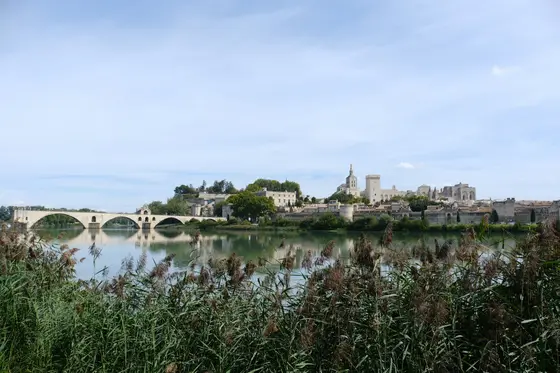
Avignon and its TGV, about 25 minutes — Paris by rail in under four hours all told. Les Baux, fifteen minutes; Arles and its Roman arena, about half an hour. Marseille Provence airport, about fifty minutes, with one-stop routings to the States. The Luberon and the Camargue sit within day-trip range.
The Aelos view
Saint-Rémy is for members who want Provence at its most finished and have made peace with what that costs — in euros, in summer company, and in the certainty of never being the first American your neighbors have met. In exchange: year-round beauty, a serious market, an established international circle, and the TGV close at hand. If your plan depends on value, a car-free life, or arriving somewhere before the world does, we'd point you to humbler towns.