The feel
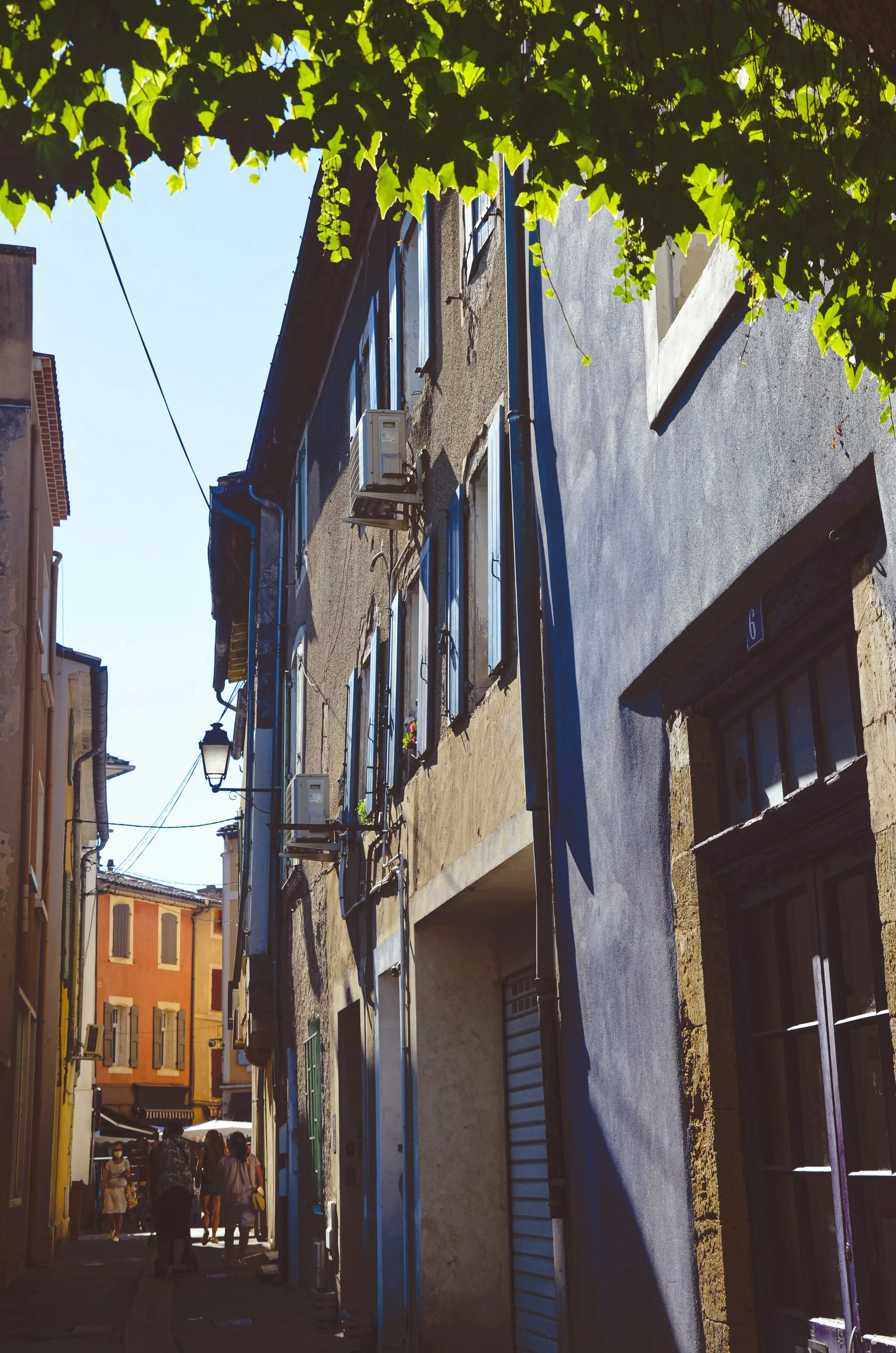
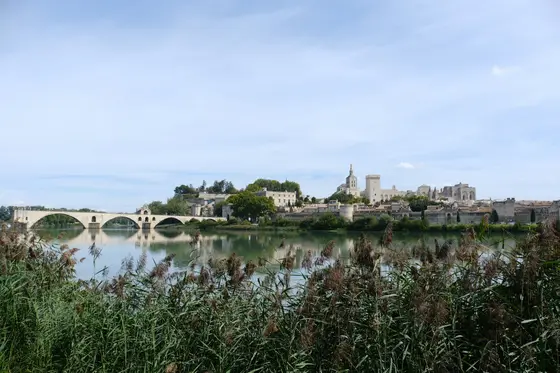
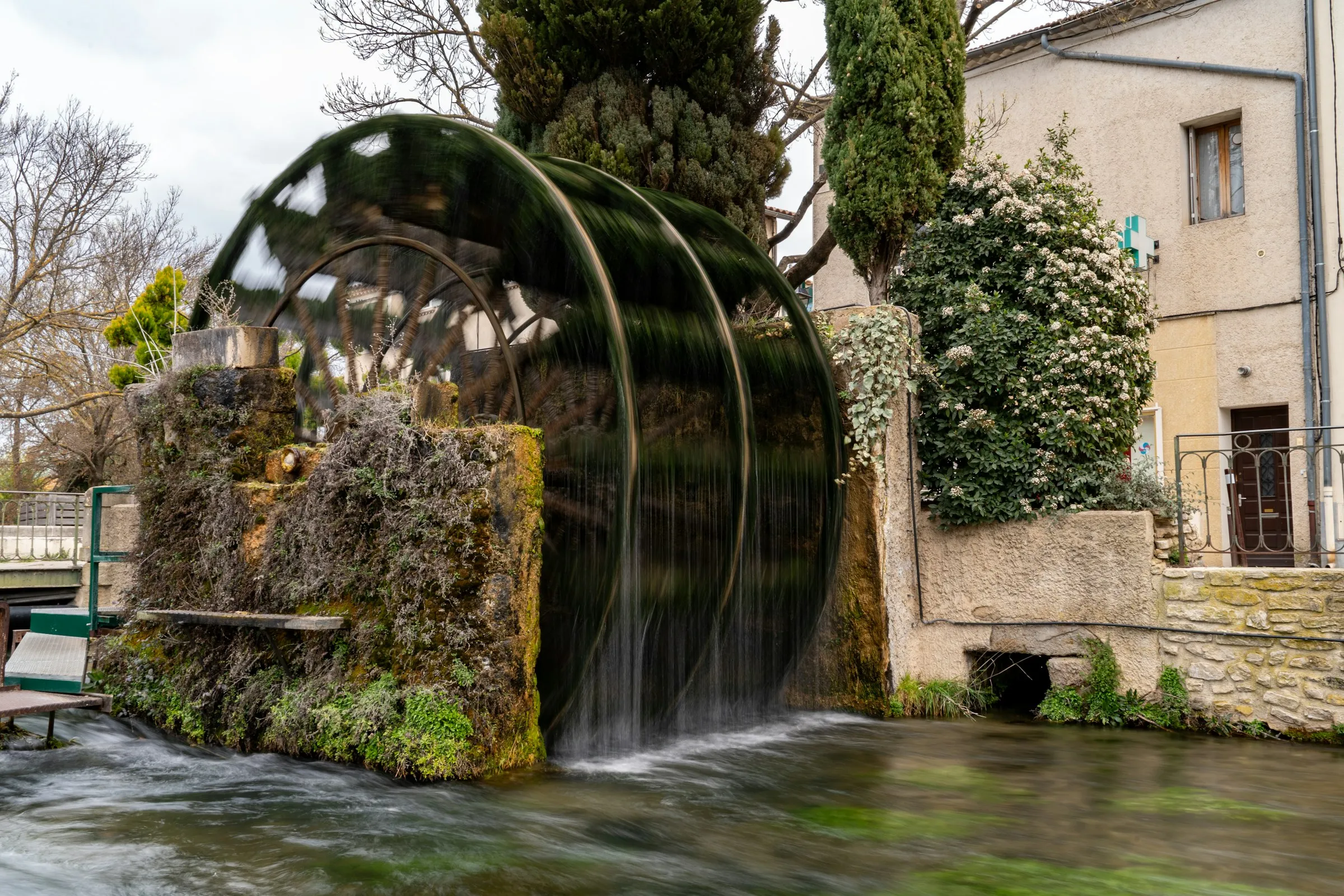
The Sorgue arrives from its spring cold and unreasonably clear, splits into channels, and runs straight through the middle of town — under footbridges, past the moss-heavy waterwheels that once powered its mills. L'Isle-sur-la-Sorgue is one of Europe's great concentrations of antiques dealers, a couple of hundred trading from shops and permanent dealers' villages along the water. But the reason it belongs on a retirement shortlist is what surrounds the trade: a working town of 20,000 with banks, schools, and hardware stores, and — rare in a region where villages climb hills — streets that are mercifully flat.
Market day
Sunday is the legend: the food market and the brocante run together along the quays, one of the celebrated markets of Provence, and from spring through fall the crowds are genuinely intense. Thursday is the version residents keep for themselves — smaller and quieter, groceries without theatre. The food market runs mornings year-round, into deep winter, until about one o'clock; the Sunday brocante trades on into the late afternoon. Twice a year, at Easter and in mid-August, the international antiques fair adds a hundred or so visiting dealers to the town's 250 permanent shops, and the place hits maximum occupancy.
Where your coffee happens
On the quays, at a terrace facing the water. On Sunday you will wait for the table; on Monday morning the same chair is yours, the browsers are gone, and the loudest thing on the street is the river.
A Saturday here
Saturday is the inhale before the legend. Morning in the dealers' villages, where browsing is a hobby you can practice weekly rather than a spectacle you survive. Then the flat riverside walk to the Partage des Eaux — about twenty minutes along the bank to the shaded point where the Sorgue divides in two — and, if you are ambitious, on up the valley toward Fontaine-de-Vaucluse, seven kilometres away, where the river rises whole from the foot of a cliff. Dinner early. Tomorrow the whole world arrives.
The year, honestly
This is the hot Vaucluse plain and the numbers say so: the nearest Météo-France station — Carpentras, about eighteen kilometres north across the same flat country — records sixty-seven days a year over 30 °C, nearly all of them in a summer that is busy as well as hot. It also logs more than 2,800 hours of sun and, less advertised, nearly fifty mornings of frost: winters here are bright, mistral-scrubbed, and colder than the postcard suggests. The compensation is real, though. Fewer than one home in ten is a second home — remarkably low for Provence — so November does not switch the town off: the Thursday and Sunday markets carry on, the town keeps its own small cinema, and the year holds festivals in three seasons rather than one.
Who thrives here
Collectors, tinkerers, and the incurably curious — the brocante here is a weekly practice, not an annual event, and a genuine way to build a routine and acquaintances. People planning to age in place, who want flat streets, a hospital twelve minutes away, and errands on foot. And people prepared to live in French: this town's English mostly arrives on Sunday morning and leaves by dinner.
Think twice if
You are counting on a ready-made expat circle. The resident anglophone community is thin — no expat organizations we could verify — and the nearest English-speaking doctor on the U.S. consulate's list is in Avignon, about twenty-five kilometres away. You wilt in heat — sixty-seven 30-degree days will find you. You pictured the riverside apartment without the fine print: the same water that makes the town has flooded it, with thirteen flood-related disaster decrees on the commune's record. You want your town to yourself on Sundays — in season you will share it with thousands. And while Cavaillon's hospital is twelve minutes off, university-level medicine means Marseille, about an hour away.
The orbit
Avignon, about twenty-five minutes, and with it the TGV — Paris in a little over four hours by rail. The town keeps its own small station, L'Isle–Fontaine-de-Vaucluse, with TER trains reaching Avignon in about half an hour. Fontaine-de-Vaucluse and the first Luberon hills sit just up the valley; Marseille and its airport, one stop from the States, are about an hour south.
The Aelos view
This is our recommendation for members who love the Luberon postcard but intend to actually live in it: flat where Provence is steep, open in January when the hill villages shutter, with a rail link and a built-in hobby. We would steer away anyone who needs an English-speaking circle around the corner — you would be building a French life here, for real — and anyone whose ideal summer is a quiet one.