The feel
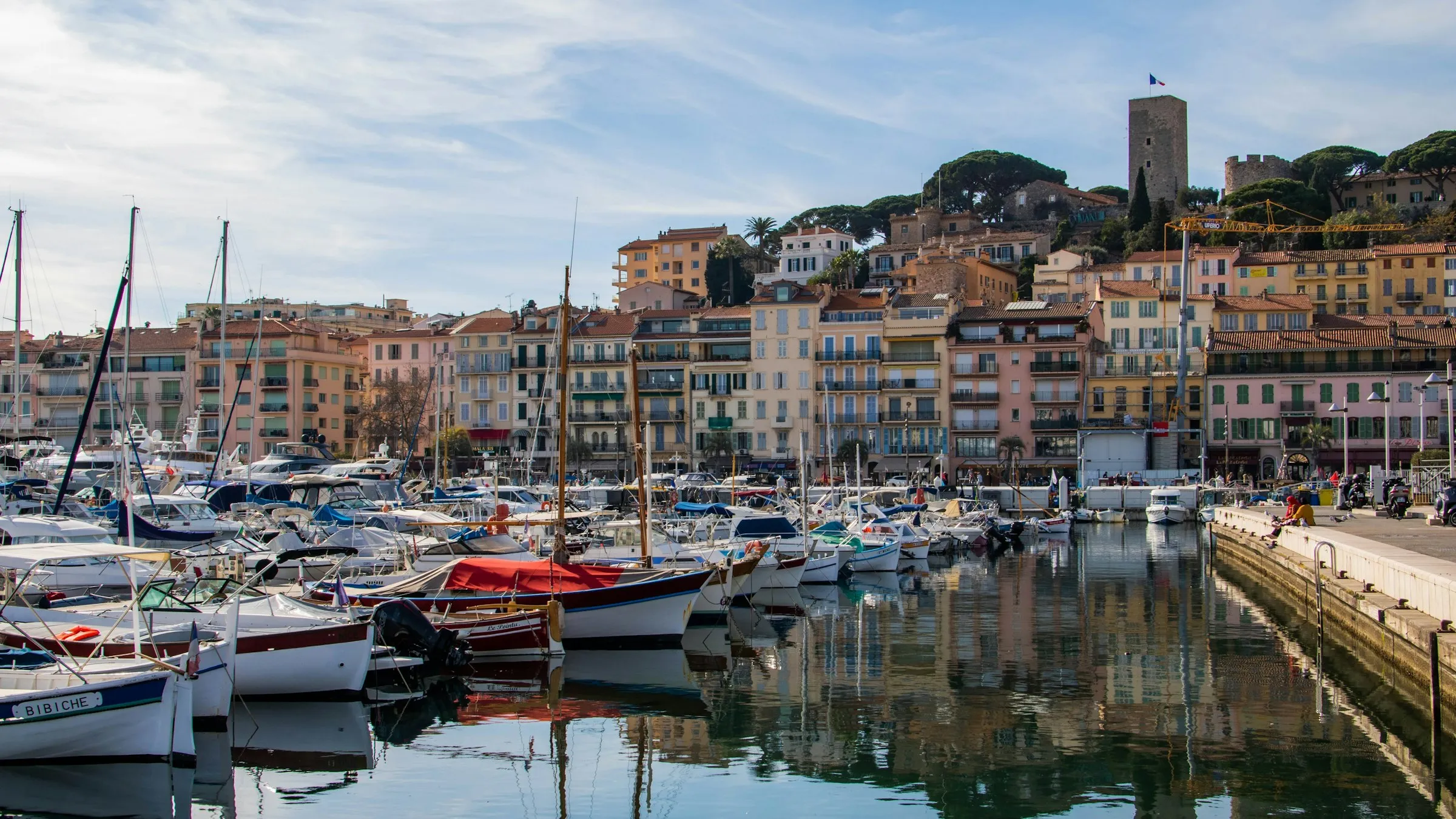
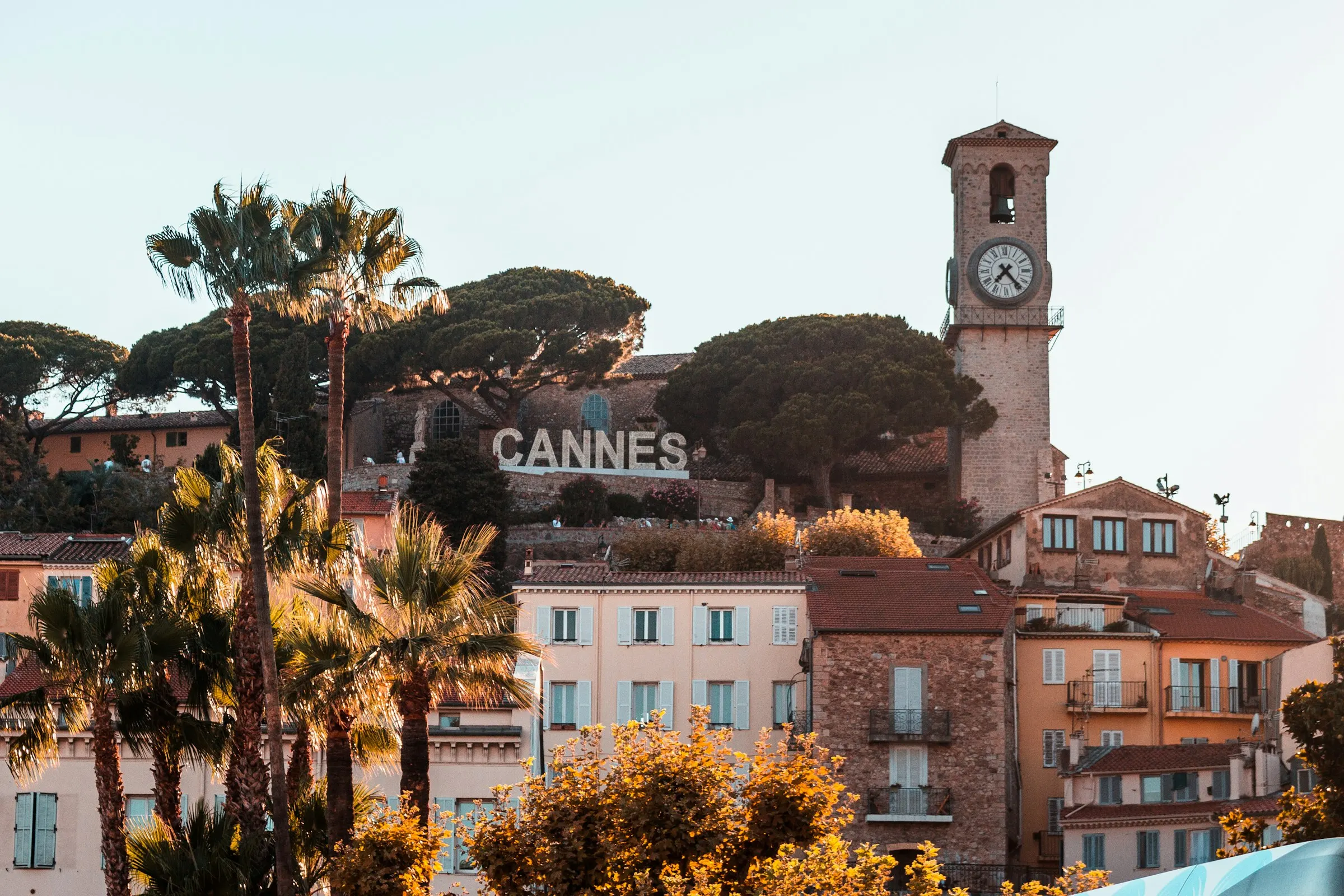
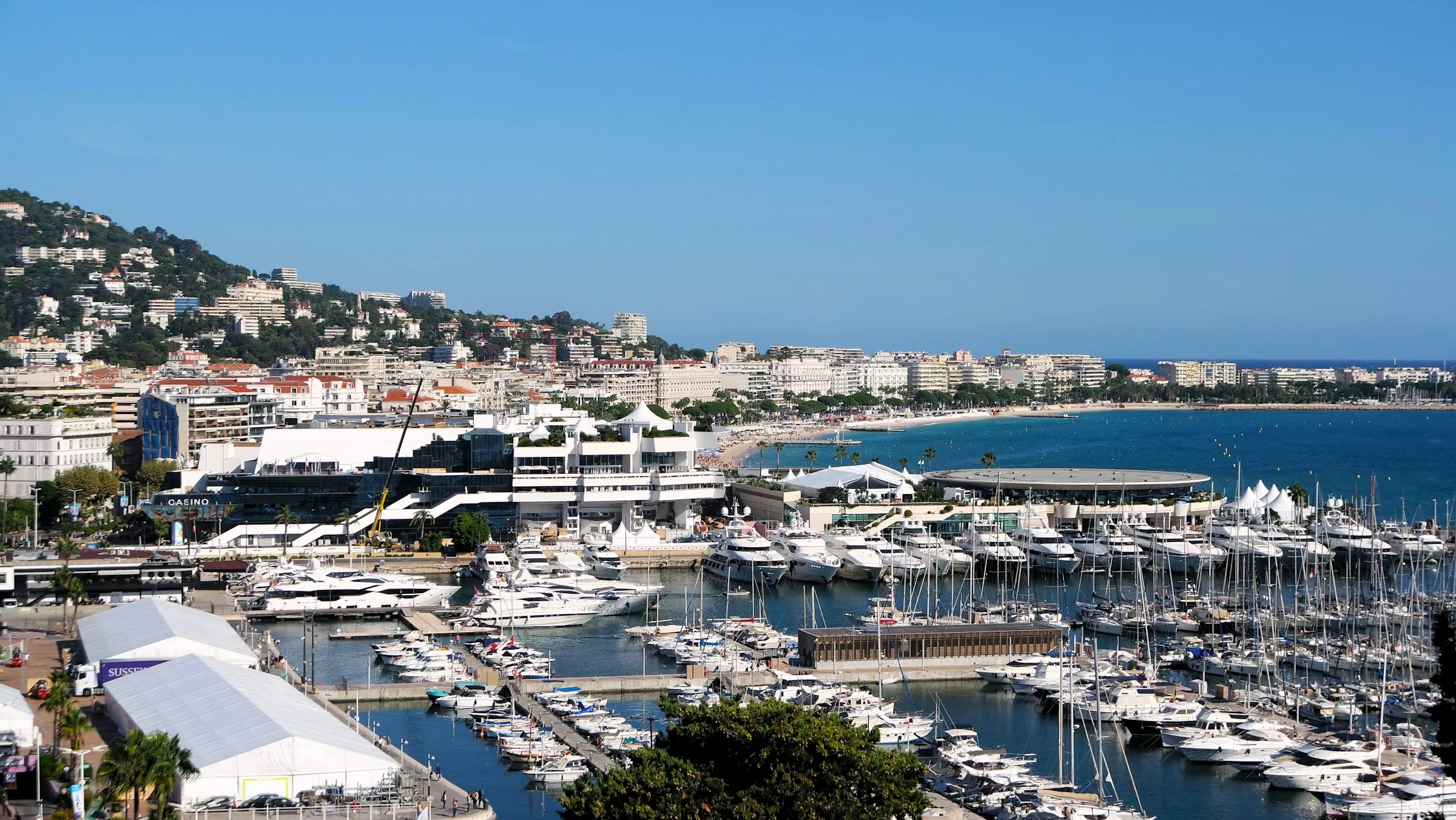
The Croisette is real — the palace hotels, the yachts, the two weeks in May when the film industry takes over. But it is a district, not the town. Walk up rue Meynadier toward Le Suquet, the old fishing quarter stacked on its hill above the port, and Cannes becomes a southern market city about its ordinary morning. At 74,000 people this is a proper small city — nine cinemas, three of them art-house showing films undubbed, and enough of everything that errands never need a car. The British half-invented the place: Lord Brougham, turned away from cholera-quarantined Nice in 1834, built a villa here and fashionable London followed — a lineage that never quite left.
Market day
Six mornings a week — seven in high summer — the covered Marché Forville, a hall from 1934 at the foot of the Suquet, does the serious business: fish off the boats, produce, flowers, and the coast's starred chefs shopping alongside everyone else. Locals call it the belly of Cannes, and the Marché Gambetta keeps the same mornings on the other side of the center. Outside high summer, Mondays hand the hall to a brocante of ceramics and old linen. (One honest caveat for a visit now: the hall is midway through a top-to-bottom renovation — the producers and fishmongers trade from a temporary hall on the Allées de la Liberté a hundred meters away until the works finish, likely into 2027.)
Where your coffee happens
You choose your Cannes daily. On the Croisette you pay front-row prices for the parade; on the small squares between Forville and the Suquet — the Place du Suquet at the top of the climb, or the cafés facing the market hall itself — the same faces hold the same tables and coffee costs what it should. Most residents keep the Croisette for visiting grandchildren.
A Saturday here
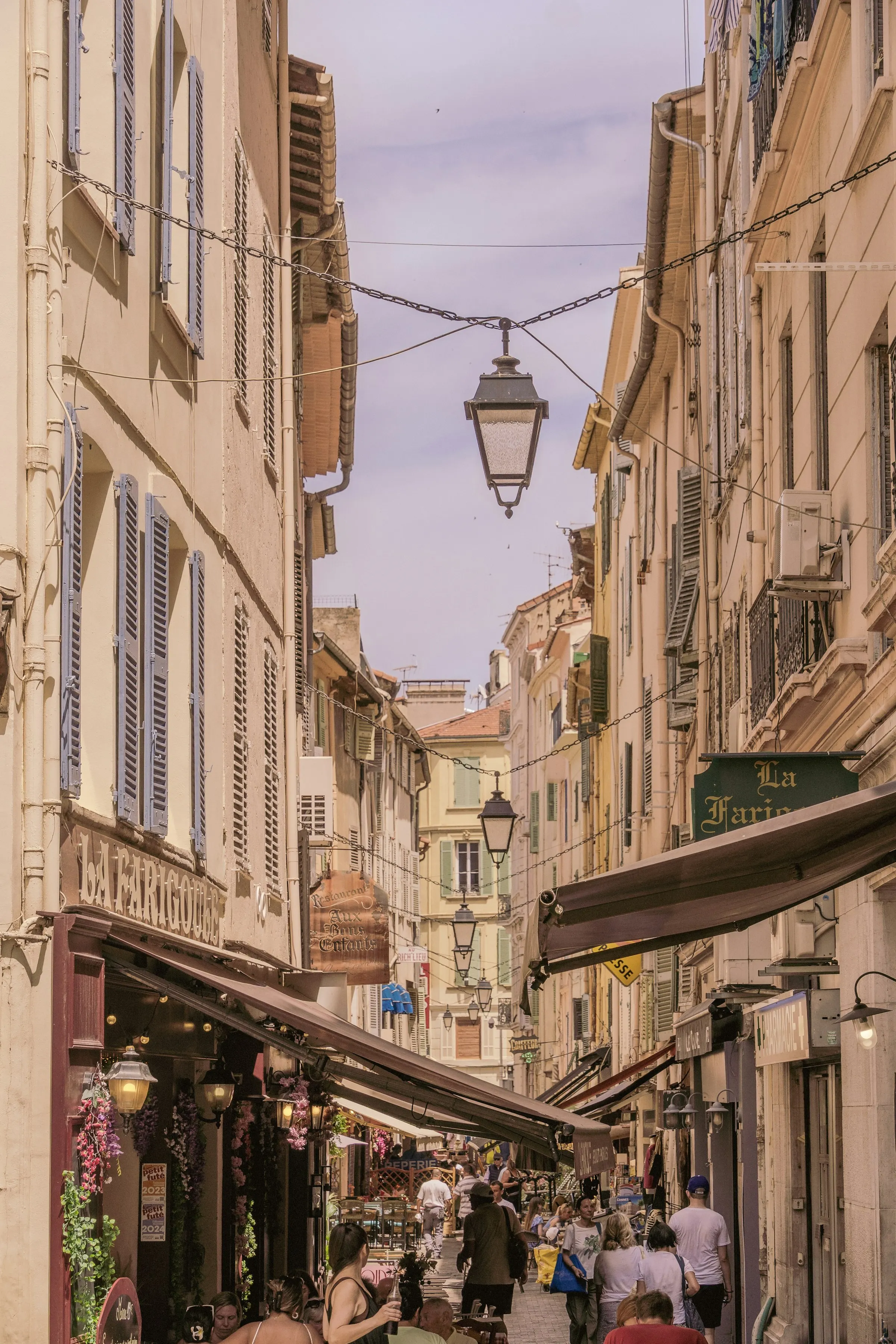
Forville first, early. Then the boat from the Quai Laubeuf: fifteen minutes to Île Sainte-Marguerite, where the Fort Royal once held the Man in the Iron Mask and wooded paths lead to quiet coves. Ferries run year-round; the second island, Saint-Honorat, still belongs to its working monastery. Back for a late lunch in the Suquet lanes. In winter the Croisette at dusk is handed back to the dog-walkers.
The year, honestly
The numbers come from the Météo-France station at the Cannes-Mandelieu aerodrome, five kilometers west: about 2,740 hours of sun a year, rain on roughly 64 days, a dozen frosts, and — the sea doing its work — around seventeen days over 30 °C, a fraction of the inland Provençal count. Summer is long rather than brutal. What shapes the year is other people's calendar: the festival in May, a congress season that fills the hotels for weeks at a time — some thirty festivals and events a year — then the summer tide. Quieter fact underneath: 44.5 percent of the housing is second homes, so whole buildings go shuttered in November. A city this size absorbs it — markets, cinemas, and shops carry on — but you will notice the dark windows.
Who thrives here
People who want a real city at walking scale with the sea in front of it. The healthcare-first: the Centre Hospitalier Simone Veil is eight minutes away, the university hospital in Nice about thirty-five, and the US Consulate's list of English-speaking doctors includes Cannes practices. And anyone who wants an anglophone landing with deep roots — Holy Trinity has kept English-language worship here since the 1860s, and a British Association and an AVF newcomers' chapter still meet.
Think twice if
You're counting euros: sales average about €5,500 per square meter, rents near €20, and nothing about the postcode gets cheaper in winter. You want village intimacy — with nearly half the housing empty most of the year, belonging here takes deliberate work. Property theft runs well above small-town levels, the standing tax of a town this visited. Cannes has logged 52 natural-disaster decrees, 23 for flooding — the autumn storms are serious, and low-lying addresses deserve real scrutiny. And if the France you picture is stone villages and long silences, this international, English-everywhere resort is its opposite.
The orbit
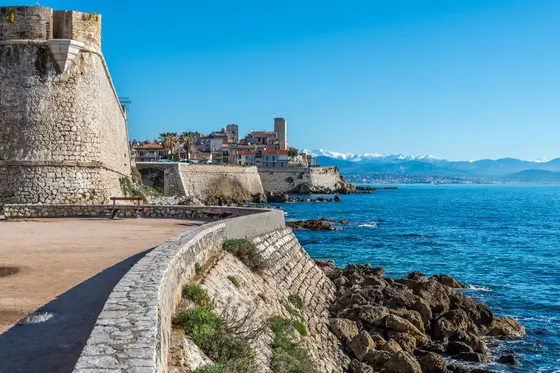
Nice Côte d'Azur airport, about thirty minutes, with nonstop US flights in season; Paris, about five hours by rail. Antibes and its Picasso museum a short train hop east, Grasse and its perfume houses in the hills behind, the red rocks of the Esterel beginning just west of town — and the Lérins islands fifteen minutes offshore, the escape hatch nobody expects a famous resort to keep.
The Aelos view
Cannes is for members who want the Riviera's machinery — the airport, an eight-minute hospital, English-speaking medicine, errands on foot — wrapped around a genuine market city that still feeds itself. We'd steer elsewhere anyone chasing village intimacy or value: nearly half of Cannes goes dark in winter, and none of it comes cheap. But if your retirement wants a small city with the world passing through, few addresses work harder.