The feel
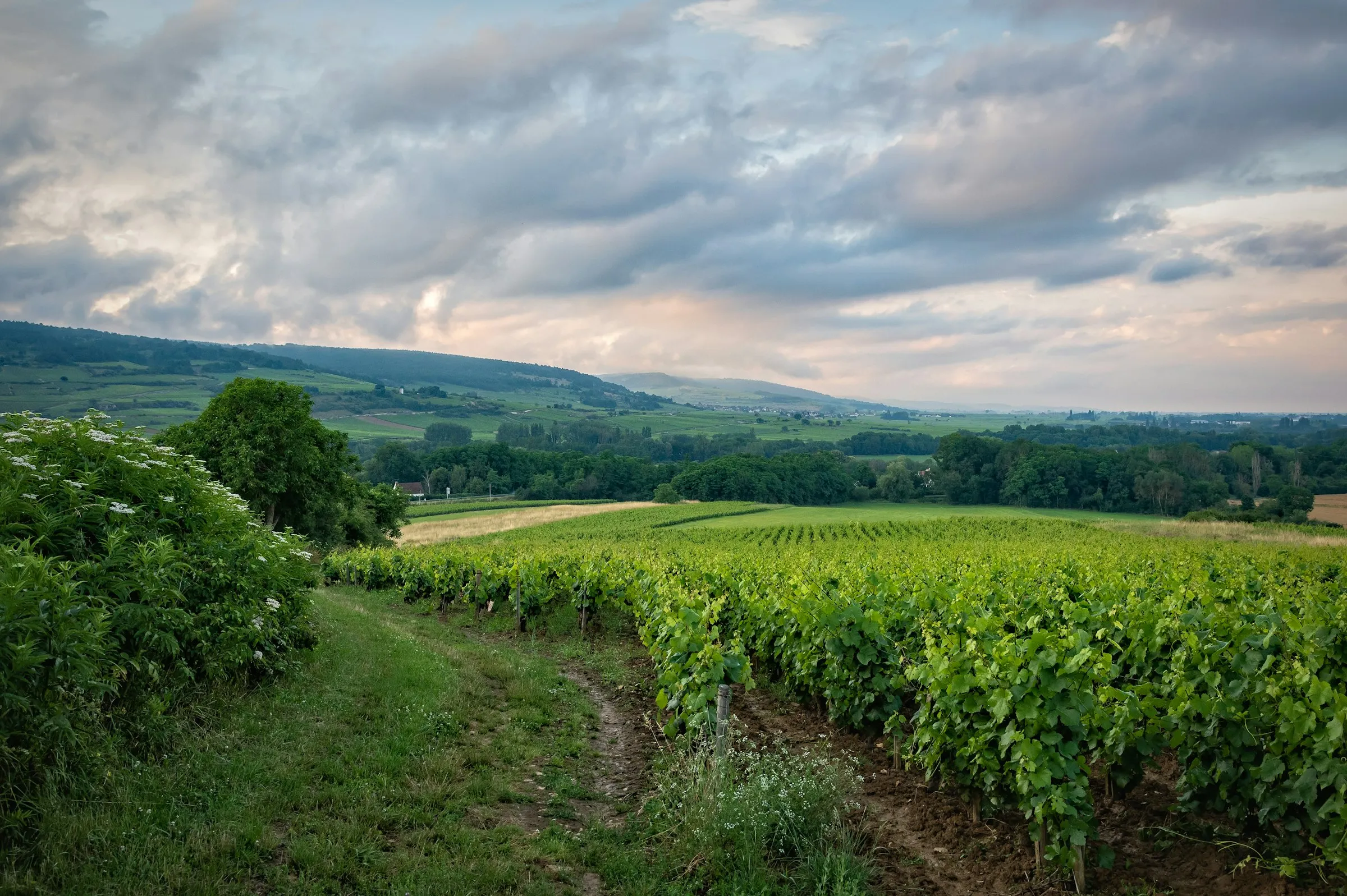
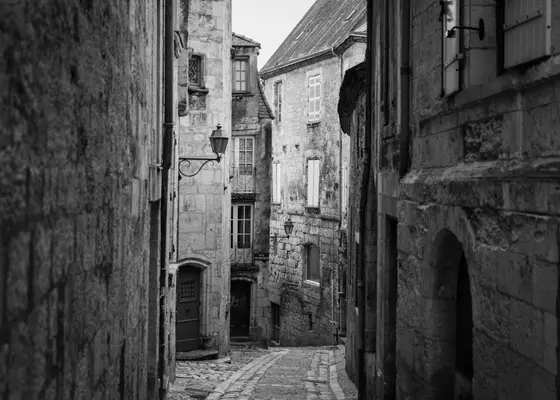
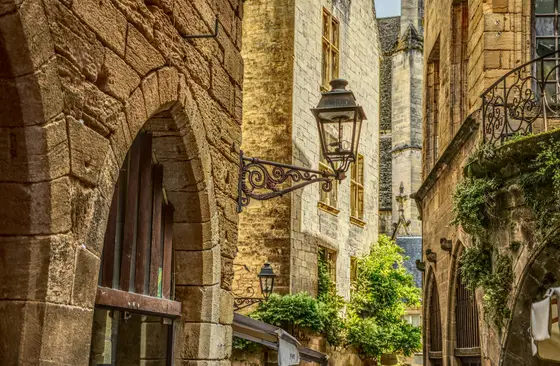
The name is bigger than the town. Beaune is twenty thousand people gathered around an oval of ramparts, its name on wine lists on every continent — a fame the town absorbs rather than performs. The glazed, patterned roof of the Hôtel-Dieu, the charity hospital founded here in 1443, is the postcard; the corrective is everything around it. The market hall is in weekly use, the working hospital sits two minutes from the center, and second homes are five percent of the housing. Tour groups pour through at midday; mornings and evenings, it goes back to being a Burgundian market town.
Market day
Saturday, and it is a serious one: about a hundred and eighty stalls in and around the Halles, spilling from the Place de la Halle down the Avenue de la République until about one o'clock — produce, cheese, roasters, small local farms. Holidays barely interrupt it. Wednesday morning is the residents' version, a couple dozen food producers under the Halles. And one Sunday each November the same hall hosts the town's other market: Sotheby's on the rostrum, auctioning the Hospices' new vintage to fund the hospital's work — a sale held every year since 1859, and in this hall since 1959.
Where your coffee happens
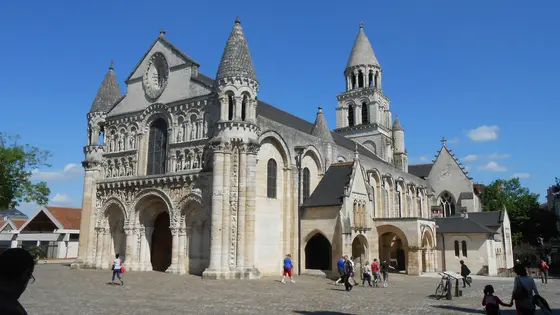
On a terrace facing the Halles if you like watching the town restock itself; in the quieter lanes around the basilica Notre-Dame once the tour buses arrive mid-morning. By month two you'll have a defended opinion about which is yours.
A Saturday here
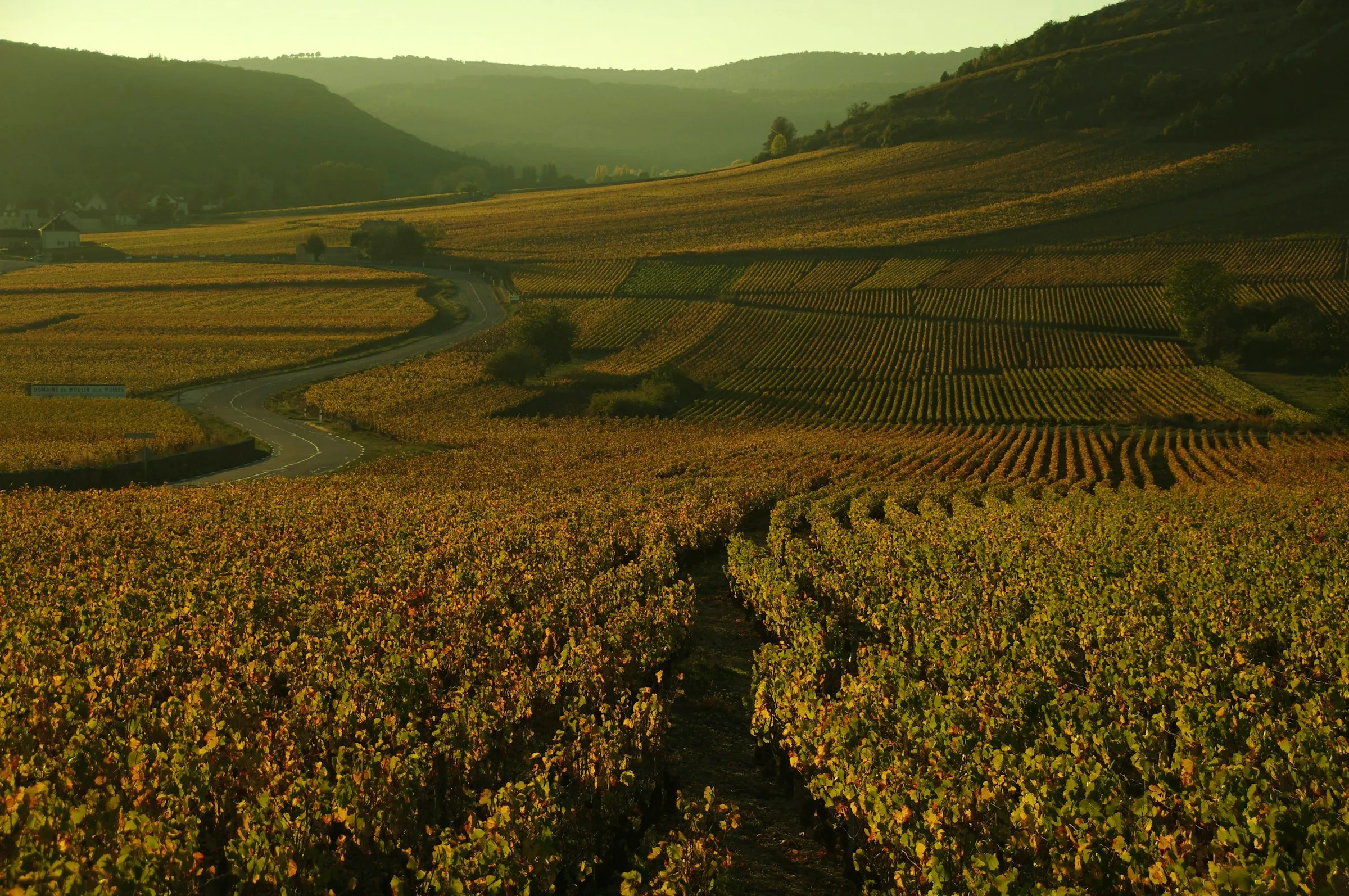
Market early, then a loop of the ramparts that ring the old town. If the legs are willing, the Voie des Vignes — the walking-and-cycling route that runs south through Pommard, Volnay, and Meursault — names you've only seen on bottles, now a bike ride apart. Lunch late. In the evening, a film in version originale at the art-house cinema — or, in July, baroque opera in the courtyard of the Hospices, a festival running since 1983.
The year, honestly
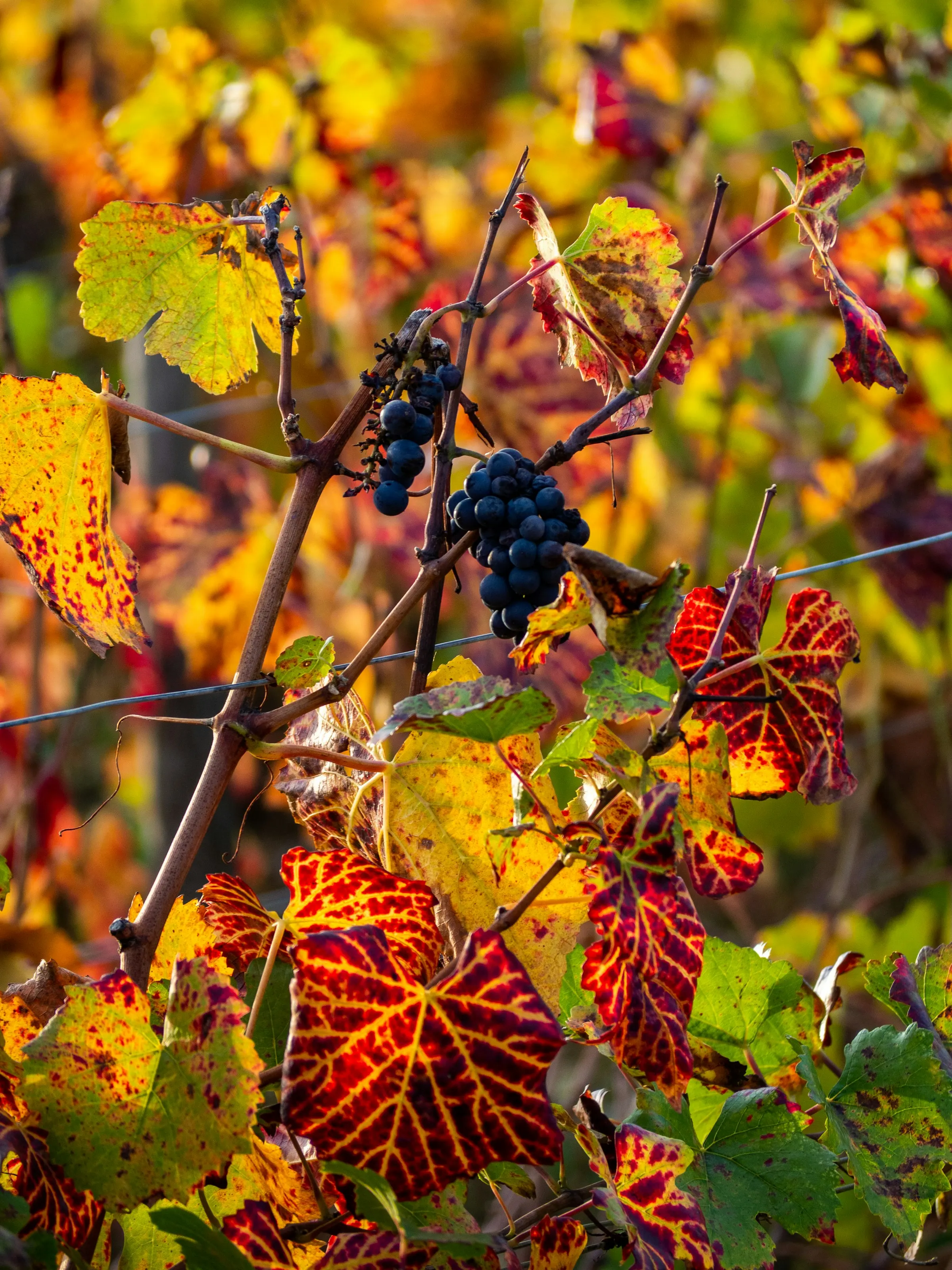
Burgundy is continental and the numbers say so. The nearest Météo-France station — Dijon-Longvic, the airfield about thirty kilometers northeast — logs roughly 1,890 hours of sun a year, 112 days of rain, and some sixty frosts. Summer is the reward: warm rather than punishing, around eighteen days a year over 30 °C. September brings the harvest and the harvest brings crowds; the third Sunday of November brings the wine auction, the one weekend Beaune is packed while small-town France has gone quiet. Then the honest part: winter is northern — gray, damp, and months long. But the town does not close: the market runs all year, and the neighbors are still there in January.
Who thrives here
People whose week is built around food and wine as agriculture rather than luxury — who want to live where the year still has a harvest in it. Cooks. Hosts — everyone you know will want to visit, and most will. People who want small-town errands with serious medicine close — a hospital in town, Dijon's university hospital half an hour away. And people arriving with working French, or the will to get there: the year-round international circle is small — Burgundy Friends is the one anglophone organization we found — and most English in the street is tourist English, gone by autumn.
Think twice if
You're picturing southern light: 1,890 hours of sun is nearly a third less than a Mediterranean town like Uzès, and the gray runs November to March. You're counting on English-speaking medicine — we found no evidence of it here; your care will happen in French. You want to live somewhere nobody vacations: the center is calibrated to visitors, restaurants priced for them. Wine leaves you cold — it is the town's economy, its calendar, and half its conversation. Or you'll fly home often: Lyon's airport is nearly two hours away and one-stop to the States; Paris is two hours by rail before you reach the airport.
The orbit
Dijon, twenty minutes by train — the university hospital, real shopping, the TGV. Paris, about two hours by rail. The Côte villages — Pommard, Volnay, Meursault, Puligny-Montrachet — minutes away along the Voie des Vignes. Lyon-Saint-Exupéry, just under two hours by car, for one-stop routing to the States.
The Aelos view
Beaune is a rare thing: a famous town that still works as a real one — hospital in town, market all year, neighbors in January — and at around €2,600 a square meter, the price never caught up with the name. We'd send a food-and-wine couple with decent French and no illusions about winter here without hesitation. If you need southern sun or an English-speaking safety net, we'd steer you south.