The feel
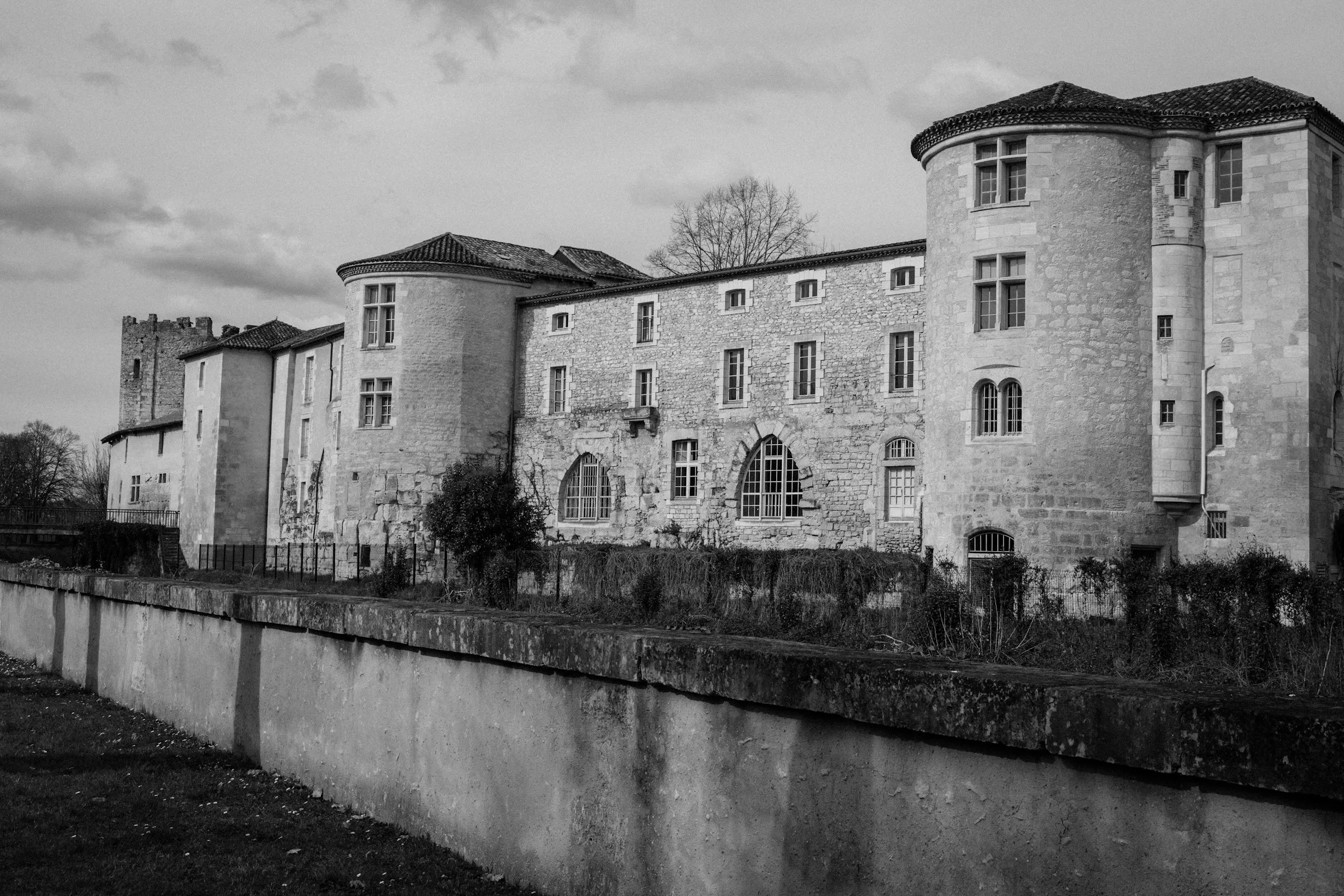
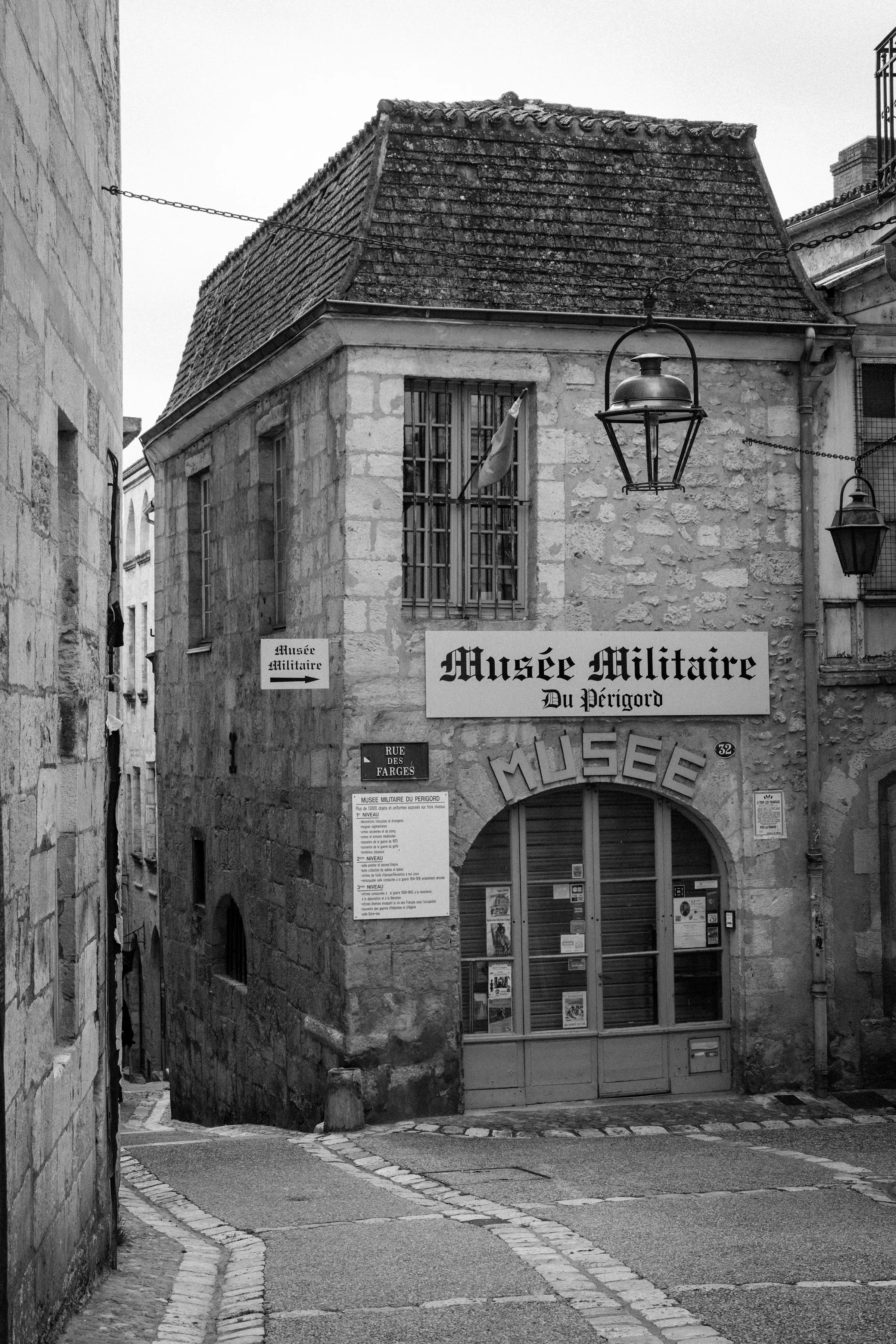
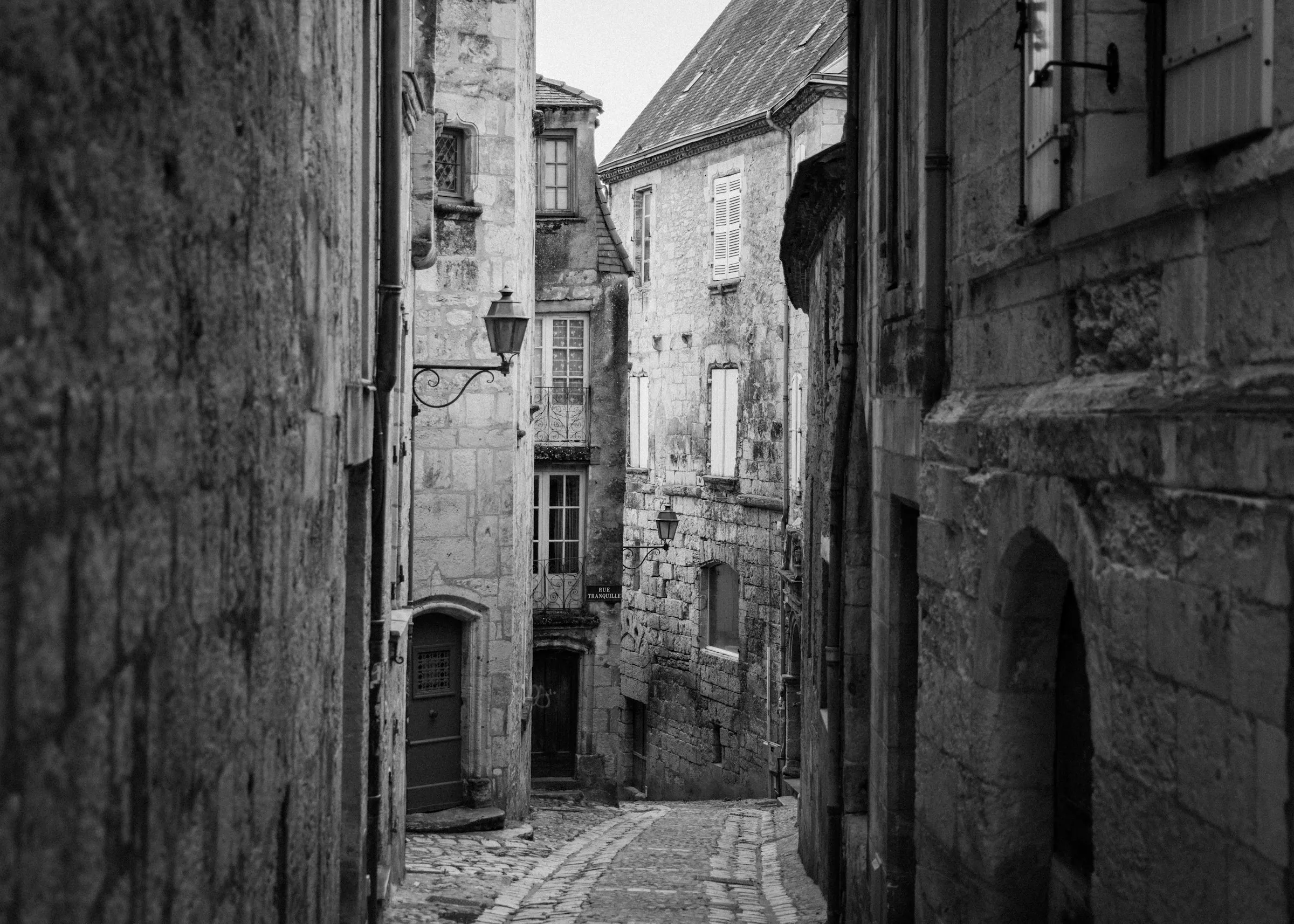
The five domes of Saint-Front rise over the rooftops like something carried home from Byzantium — modeled on St Mark's in Venice, they put Périgueux on the UNESCO pilgrim routes to Compostela. Beneath them the town is resolutely practical — the prefecture of the Dordogne, where the department comes to renew a residence permit, see a specialist, stock a pantry. Roman at the foundations, medieval and Renaissance in the lanes, workaday at street level. Only 4.6 percent of homes are second homes — in the Dordogne, that number is a character reference.
Market day
Wednesday and Saturday mornings, spilling across the squares of the old town — Place du Coderc (whose covered halle runs every morning), Place Saint-Silain, and Place de la Clautre, the big one beside the cathedral. The stalls read like the Périgord's reputation: walnuts, strawberries, duck in every register. Then the winter test, passed with swagger: from November to March the marché au gras takes over Place Saint-Louis on the same two mornings — thirty-odd producers, foie gras and confit, a tradition past its fortieth year — and from December to mid-February a Saturday truffle market joins it. This town does not close for winter; at the table, winter is its best season.
Where your coffee happens
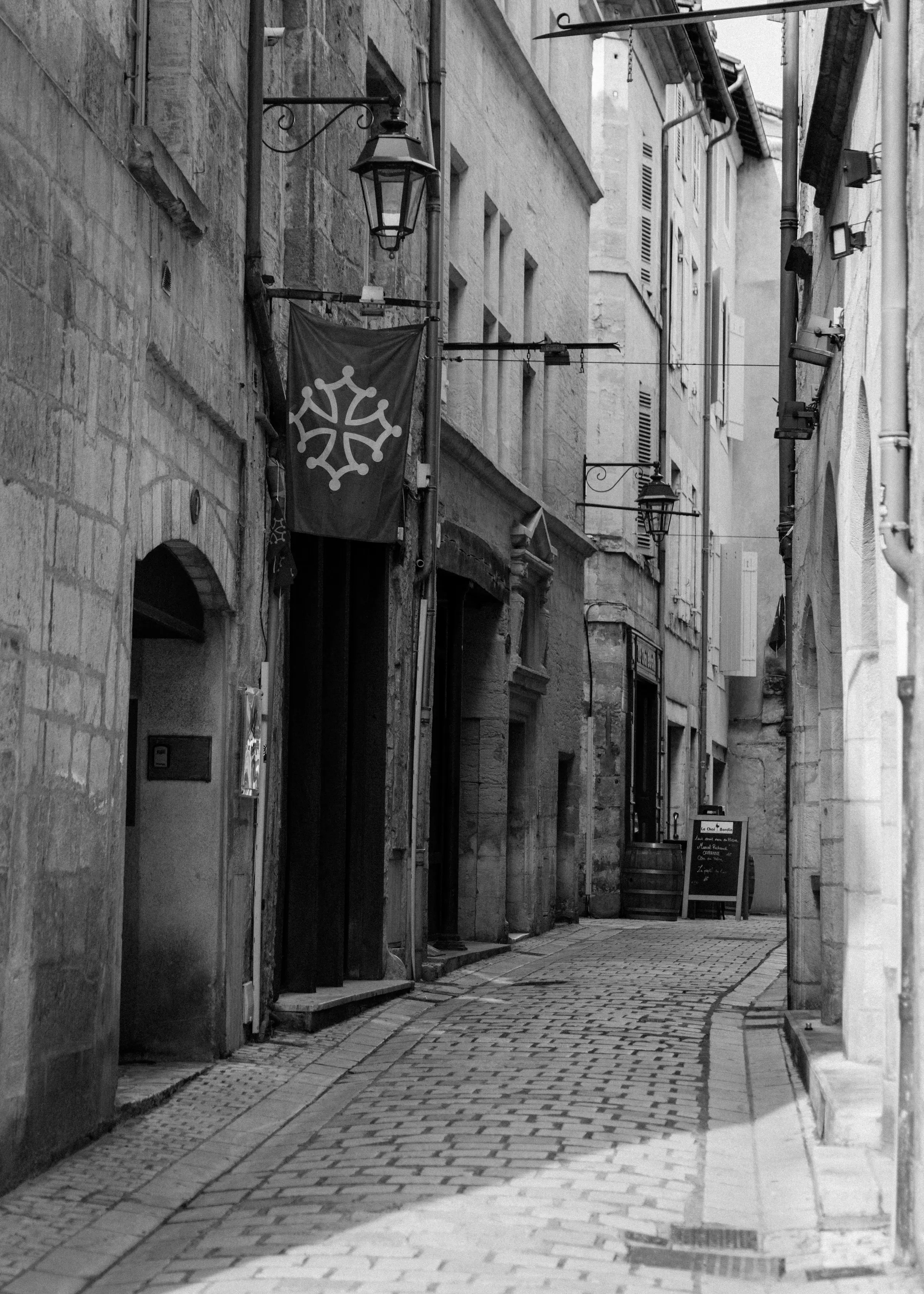
On the market squares, market mornings — the terraces around the Coderc fill with shoppers parking baskets. Other mornings the lanes are quiet enough that you'll settle on one café and be known by spring. Or take it walking — the Isle runs along the foot of the old town.
A Saturday here
Market first, all the squares. Then along the Isle to Vesunna, where Jean Nouvel built a glass hall over the excavated rooms of a Gallo-Roman townhouse, the 24-meter stump of a Roman temple in the park outside. Lunch long, as the region demands. In the evening, a version originale film at the art-house cinema — a privilege the postcard villages can't offer.
The year, honestly
The nearest Météo-France reference station is at Bergerac's airport, forty-odd kilometers southwest, so read these as approximate: about 2,000 hours of sun a year, 114 days with rain, fifty frosty mornings. The Dordogne is this green for a reason, and the reason is winter — gray, damp, and long enough that the truffle market earns its keep. Summer brings close to a month of days over 30 °C — hot, but without the Mediterranean's long sieges. The tourist tide mostly flows past, toward Sarlat and the river valleys; Périgueux belongs to its residents in August nearly as much as February.
Who thrives here
People planning to age in place, not just to arrive. The Centre Hospitalier de Périgueux — the department's principal hospital — is five minutes away, and the residential-care and home-help network is deep for a town this size. Cooks, obviously. Value-minded buyers: 2022–2024 sales averaged about €1,840 per square meter, rents near €10 — money left for the table. And anyone wanting French-first daily life with an anglophone safety net: the Dordogne holds one of rural France's most established English-speaking communities — a Dordogne Ladies Club International hub here, English-language church services in neighboring Chancelade, even an English-speaking AA meeting.
Think twice if
You're buying the postcard — the golden Dordogne of the magazines is Sarlat, a little over an hour away; Périgueux is its workday sibling. You need winter light: 114 rain days are not a rounding error. You'll fly home often — no TGV stops here, and the trip to the States is a full travel day through a hub, minimum. You want English-speaking doctors: we found no evidence of any in Périgueux itself, and the shortage is department-wide. Or you expect American company — the anglophone scene is real but British-led. And read the fine print on cheap property: the combined taxe foncière rate hit 73.75 percent in 2025 — a rate applied to the property's notional rental value, not its price, but steep all the same.
The orbit
Brantôme, about thirty minutes. Lascaux and the painted caves of the Vézère, about fifty. Sarlat, a little over an hour. Bordeaux — university-hospital medicine, a real airport, the wine — is a direct TER of about an hour and a quarter, several times a day. Bergerac's small airport is fifty minutes by car: a hop to a hub, not a gateway home. Paris, about three and a half hours by rail.
The Aelos view
Périgueux is our answer when a member loves the Dordogne and asks the aging-in-place question honestly. It trades Sarlat's beauty for the department's principal hospital, a market calendar that peaks in winter, and prices that leave room in the budget. We'd steer away anyone who needs winter sun or an American-heavy circle. For those who want this countryside for the rest of their lives, not just the summers, it is the sensible address.