
Where winter stays bright
Ranked by winter light — sunshine hours, rain days, mild mornings. Scores are anchored to fixed real-world ranges — method and sources on the methodology page. For a ranking weighted to your answers, take the three-minute quiz.
-
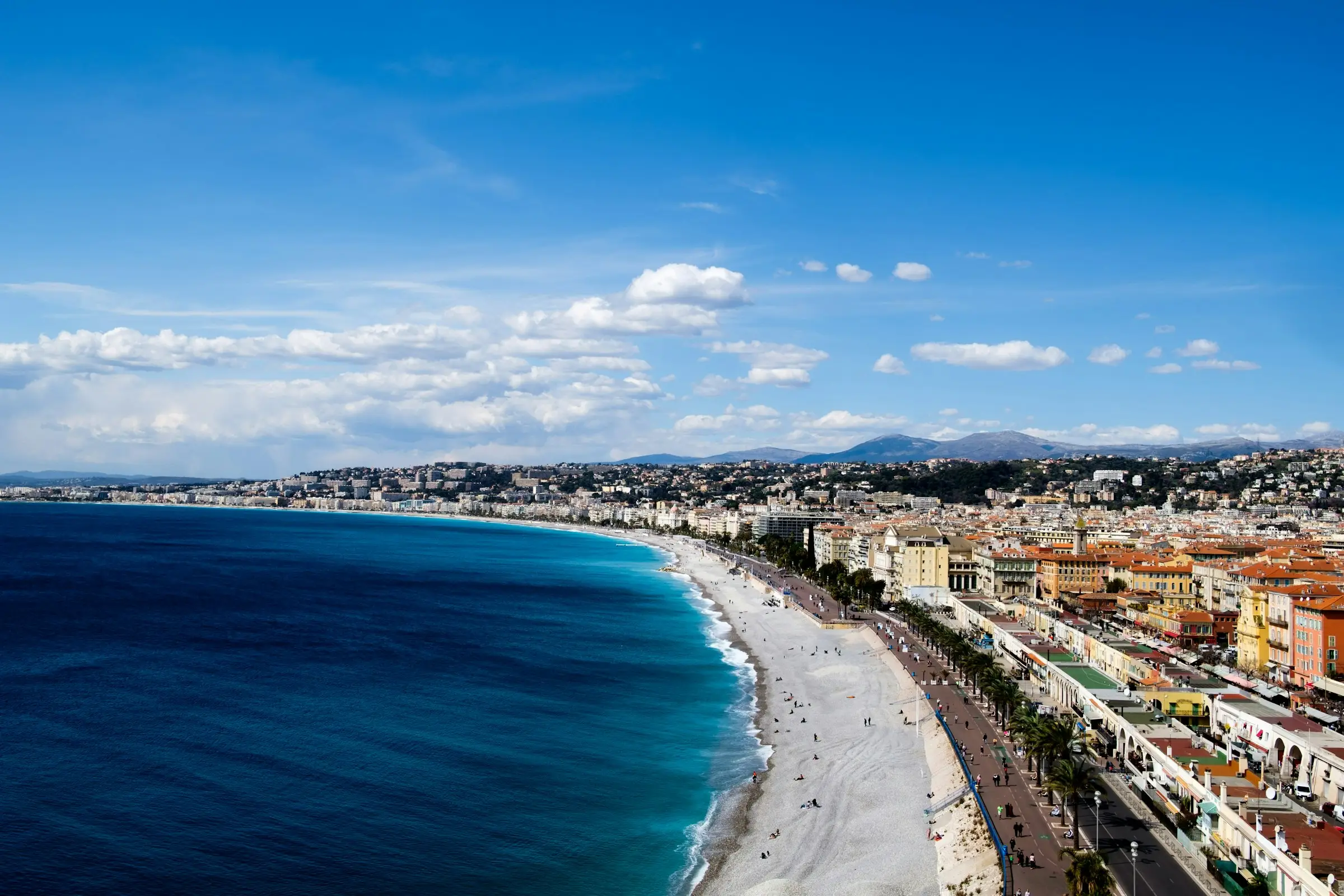 Nice 2,761 h of sun a year The Riviera's capital — a seafront city of about 350,000 in the Alpes-Maritimes, UNESCO-listed as the coast's original winter resort, with big-city medicine, car-free living, and the most organized American community in the south.
 -
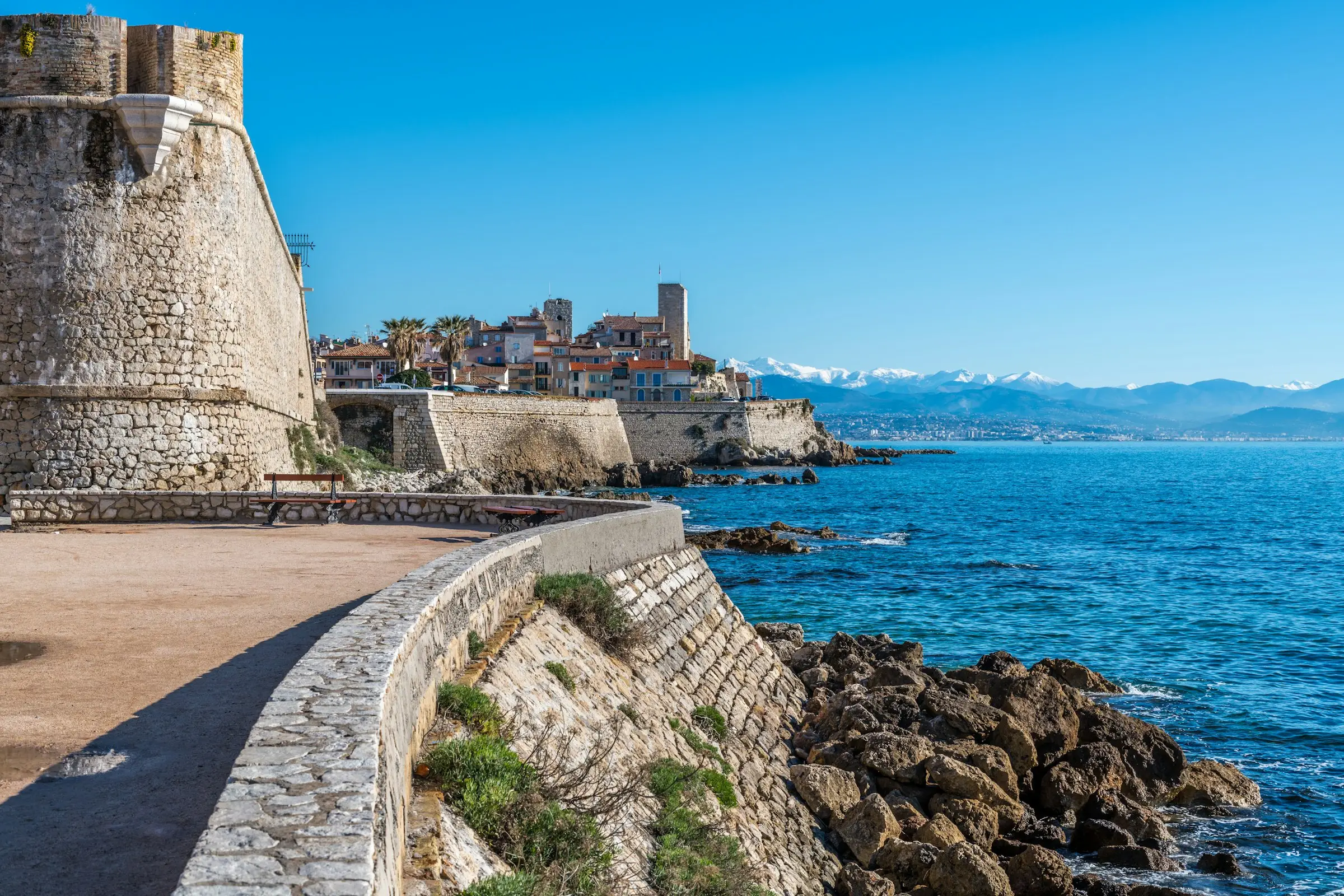 Antibes 2,761 h of sun a year A walled old town with a real working city around it — about 78,000 people in the Alpes-Maritimes, between Nice and Cannes, with Europe's biggest yacht harbor outside the ramparts and the easiest English on the coast inside them.
 -
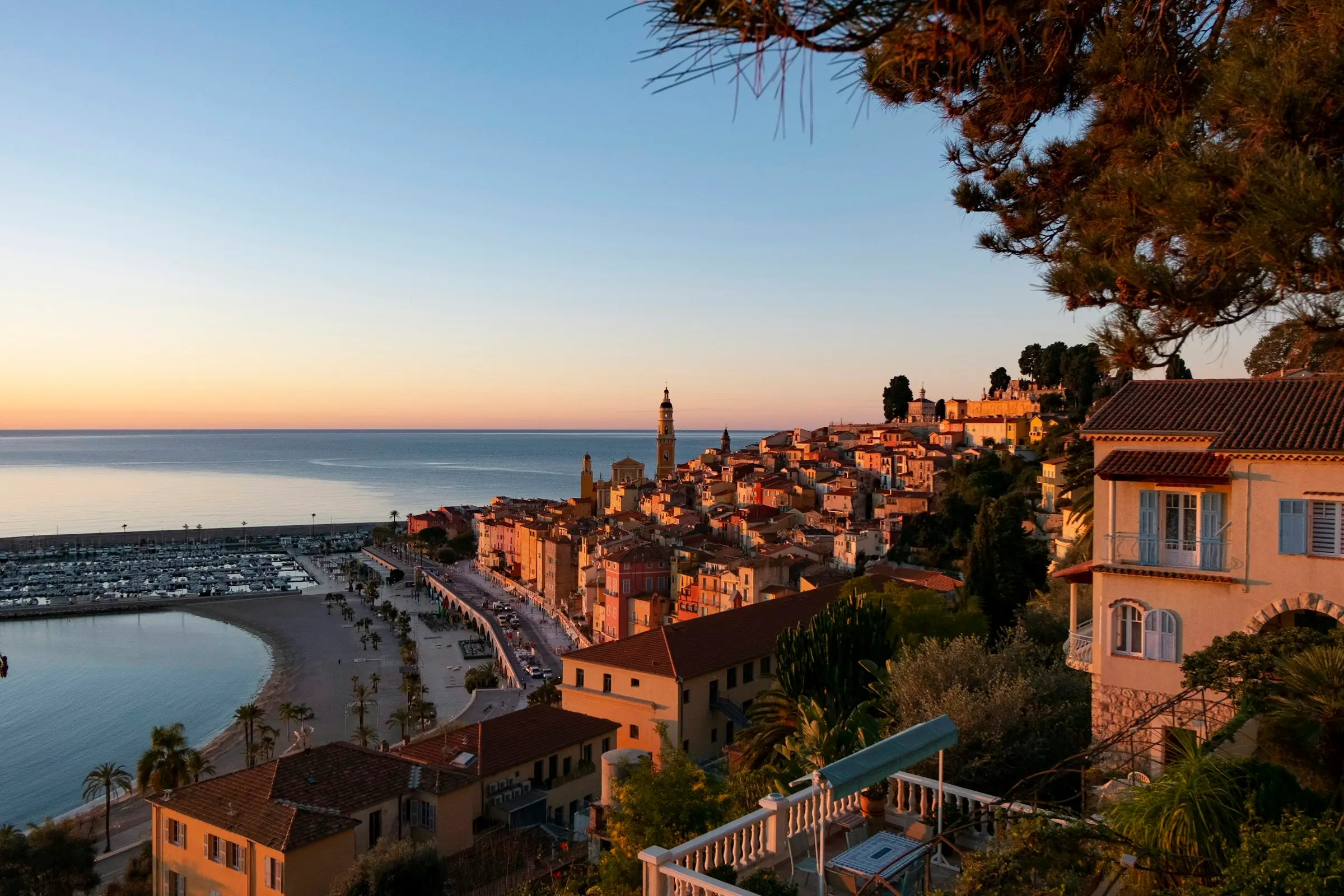 Menton 2,761 h of sun a year A lemon-growing town of about 30,000 in the Alpes-Maritimes, pressed against the Italian border — the mildest winters on the French coast, Italianate façades, and a pace closer to Liguria than to Nice.
 -
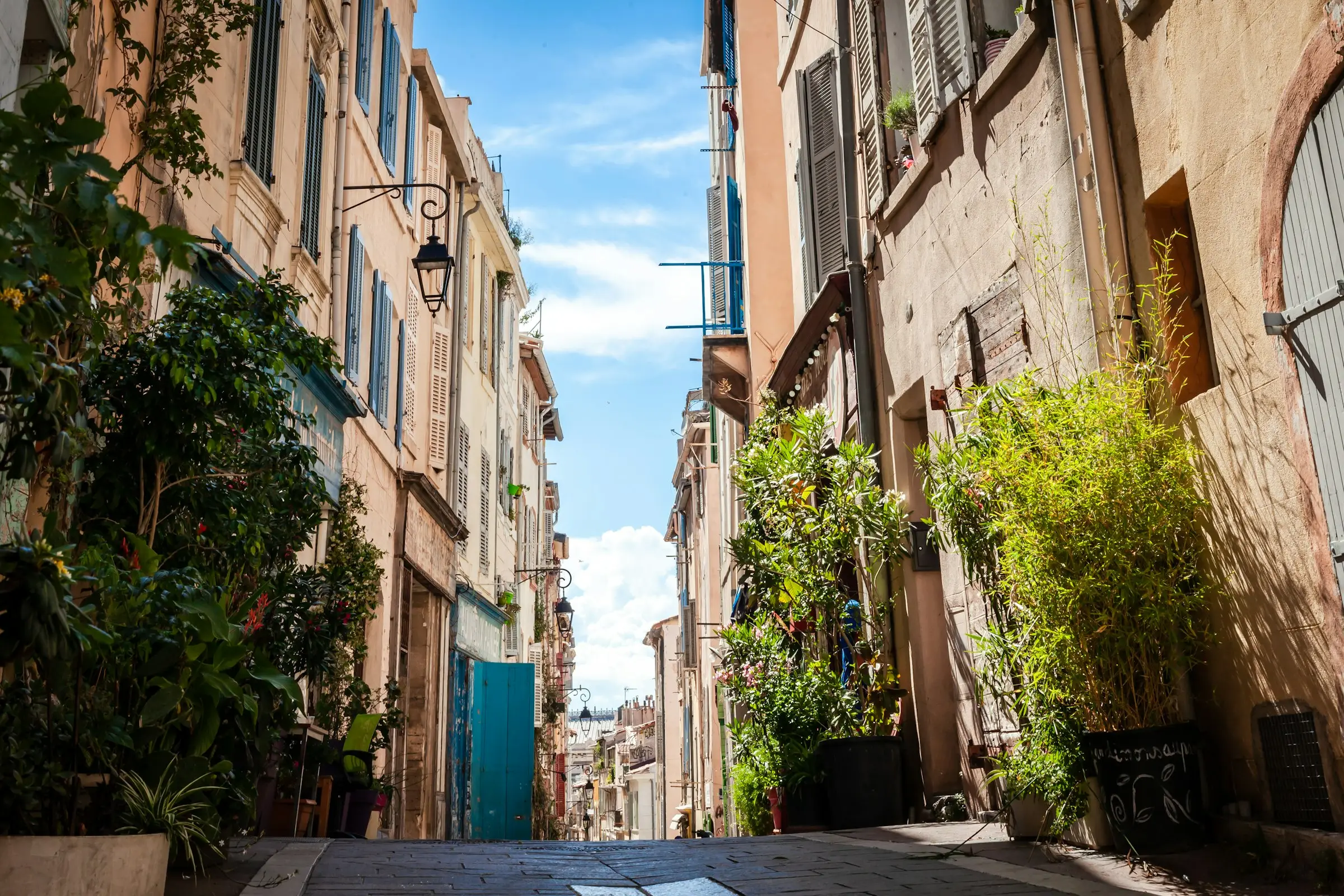 Marseille 2,898 h of sun a year France's second city and its oldest — a Mediterranean port of about 886,000 in the Bouches-du-Rhône, with a national park inside the city limits, serious medicine minutes away, and no interest whatsoever in being charming.
 -
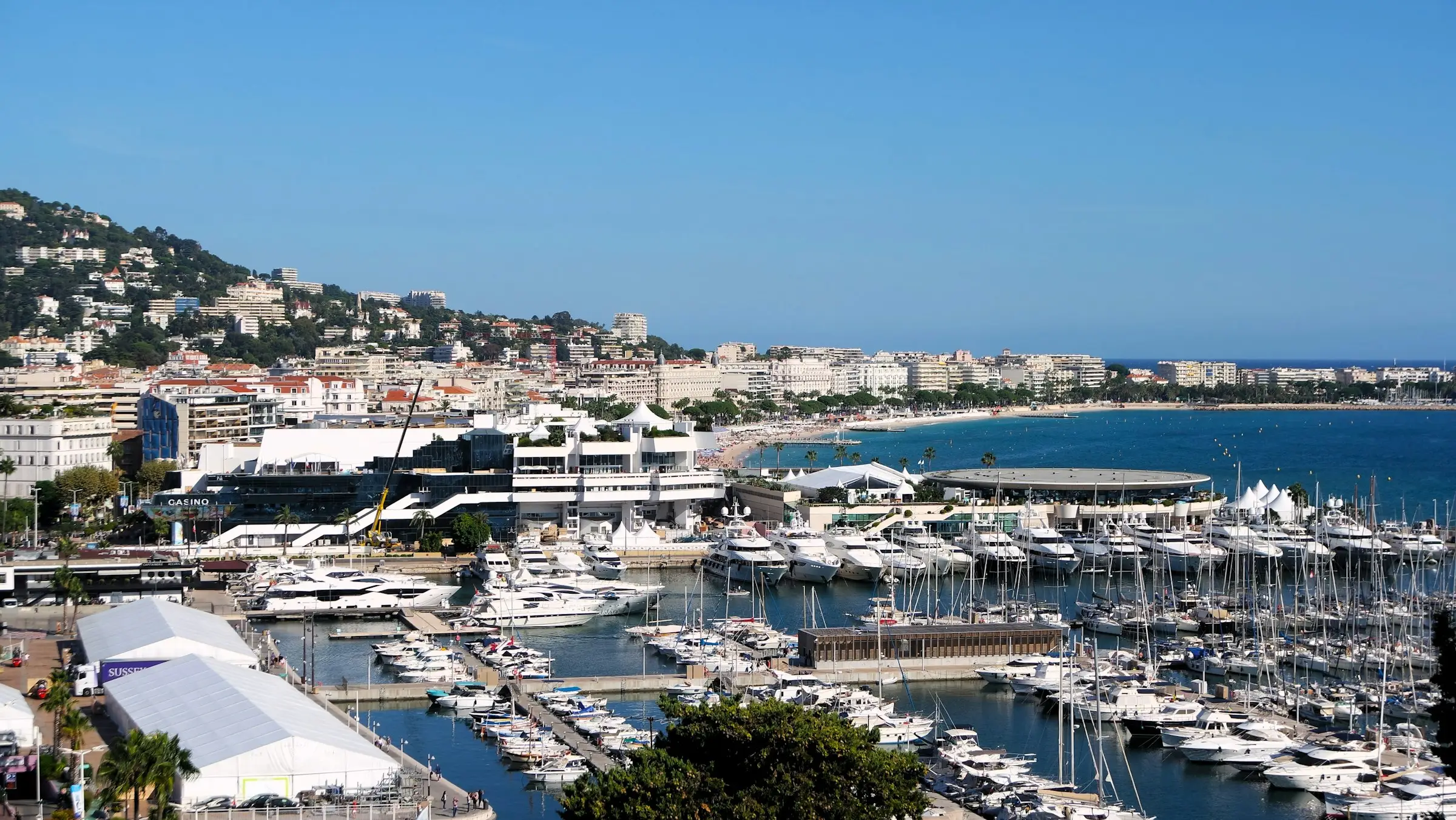 Cannes 2,743 h of sun a year The most famous resort name in France is, three streets back from the Croisette, a working market city of about 74,000 in the Alpes-Maritimes — with nearly two centuries of English-speaking life and prices to match the postcode.
 -
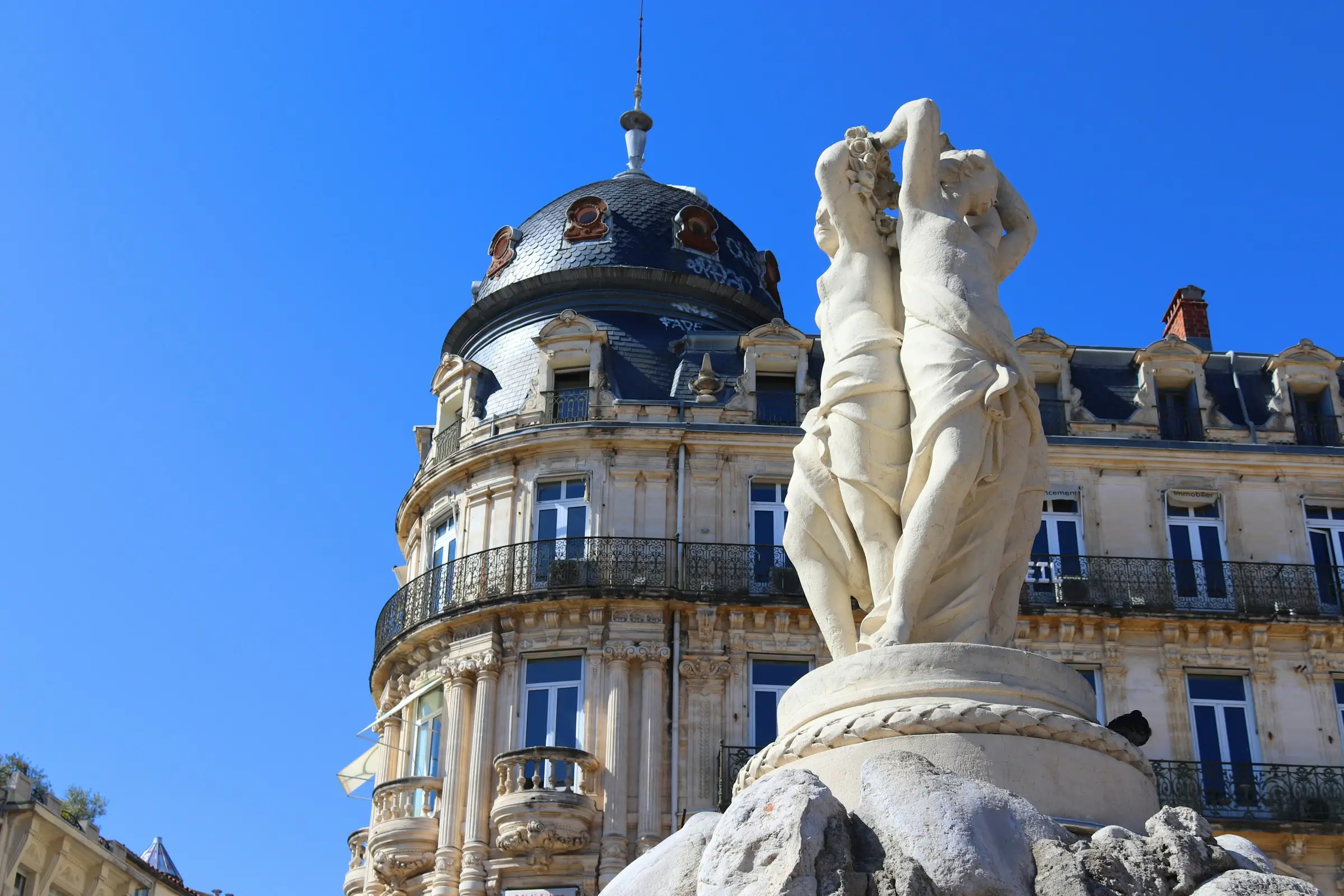 Montpellier 2,705 h of sun a year A sun-drenched university city of about 310,000 in the Hérault — a car-free medieval core, the world's oldest working medical school, free trams for residents, and the Mediterranean one tram line away.
 -
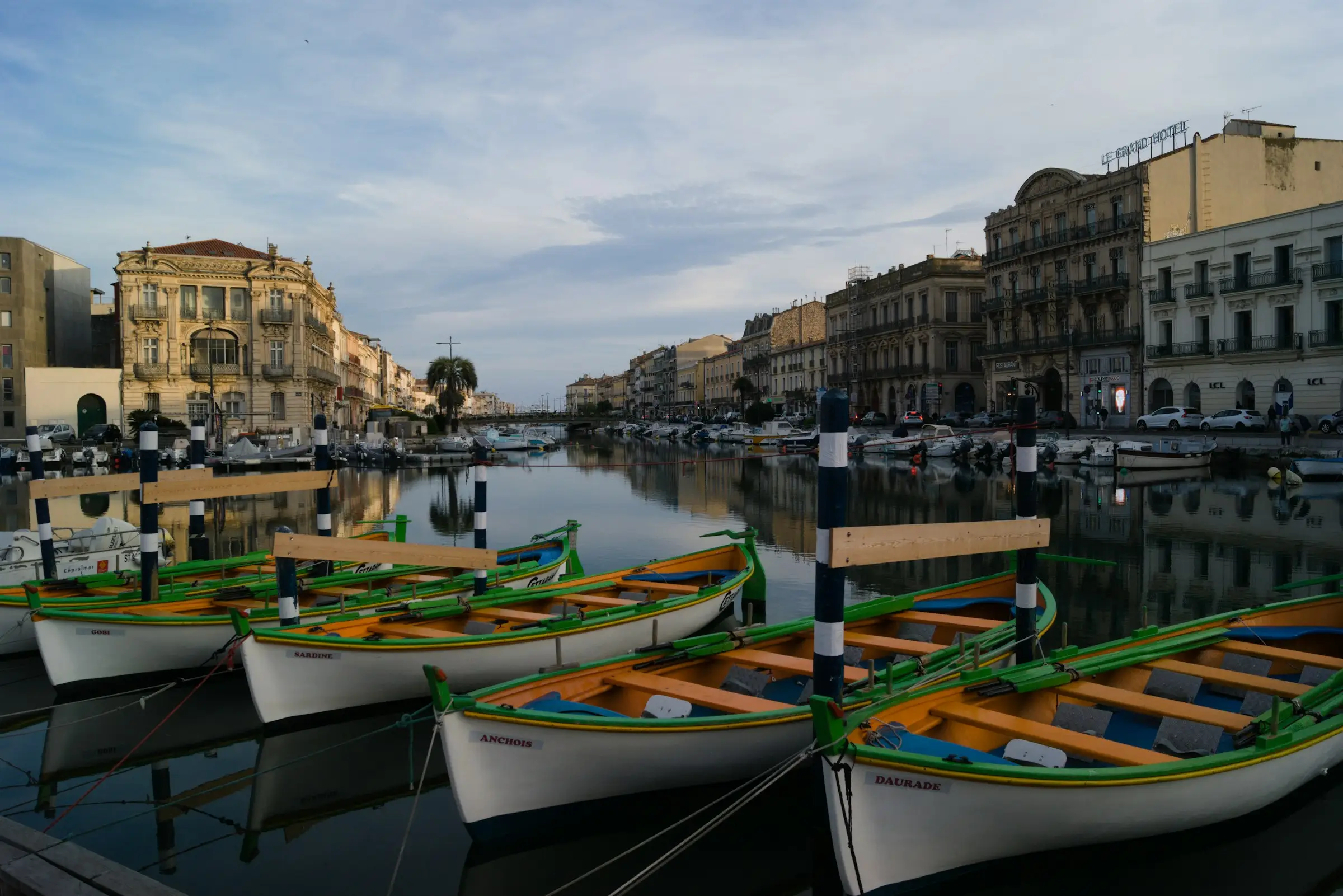 Sète 2,705 h of sun a year A canal-cut fishing town of about 45,000 in the Hérault, called the Venice of Languedoc by people who haven't smelled it at dawn — real boats, twelve kilometers of real sand, and Montpellier twenty minutes up the line.
 -
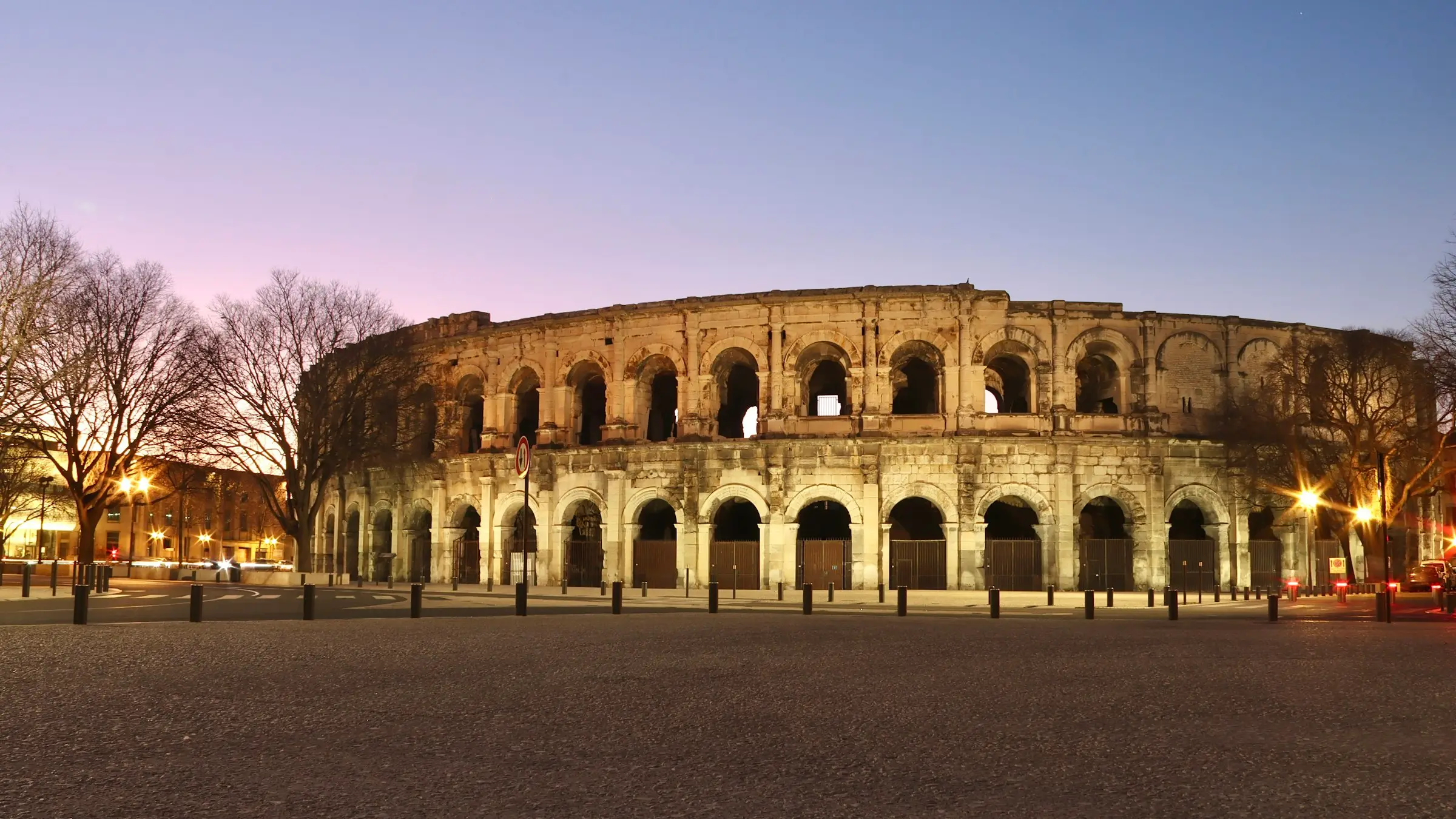 Nîmes 2,680 h of sun a year A working Mediterranean city of about 150,000 in the Gard, still throwing its parties in a 2,000-year-old arena — a university hospital, a daily covered market, and southern light at distinctly non-Provence prices.
 -
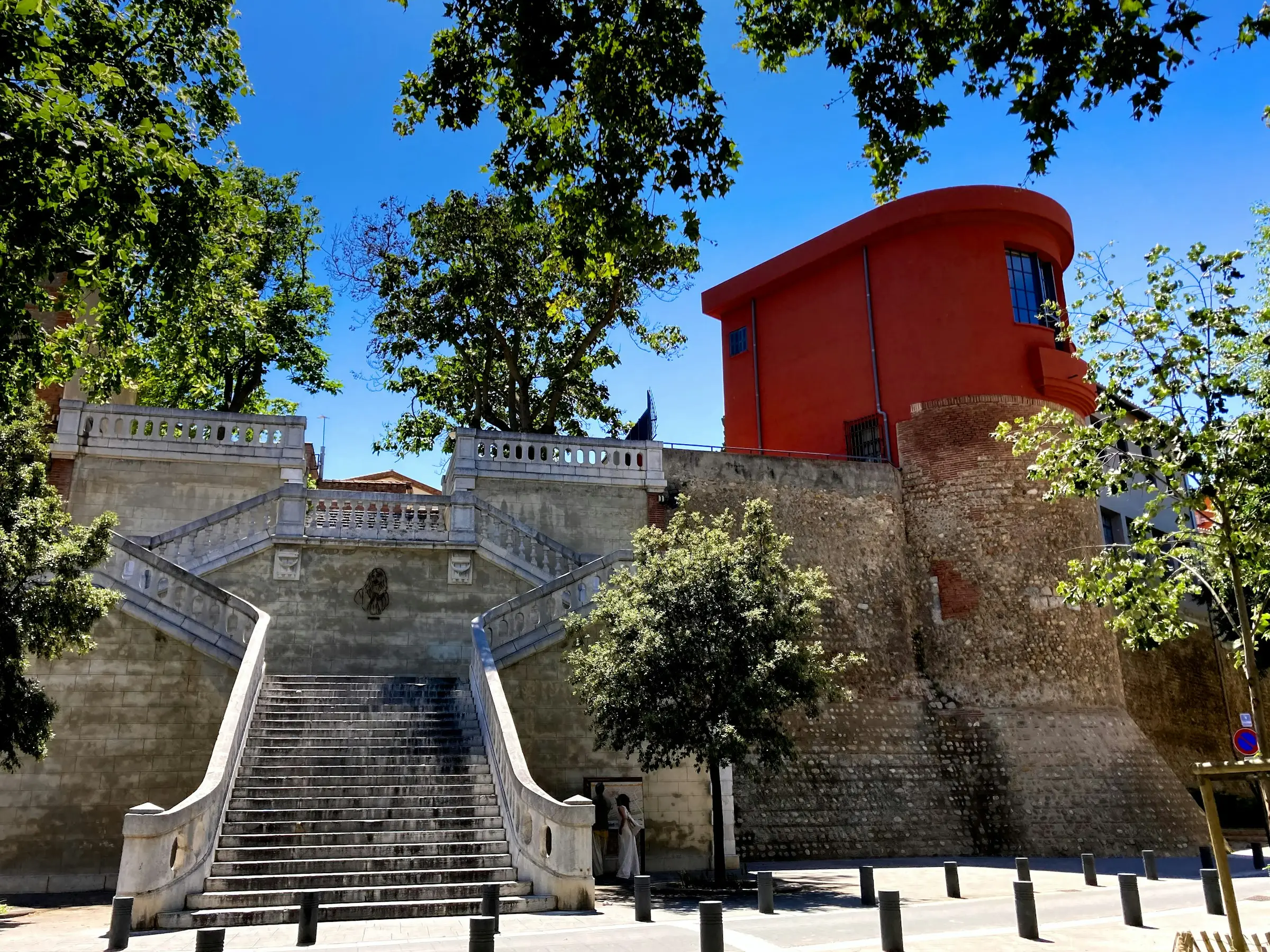 Perpignan 2,489 h of sun a year France's most Catalan city — about 120,000 people in the Pyrénées-Orientales, palm-lined boulevards under Canigou's snow peak, Spain half an hour away, and property prices from another decade.
 -
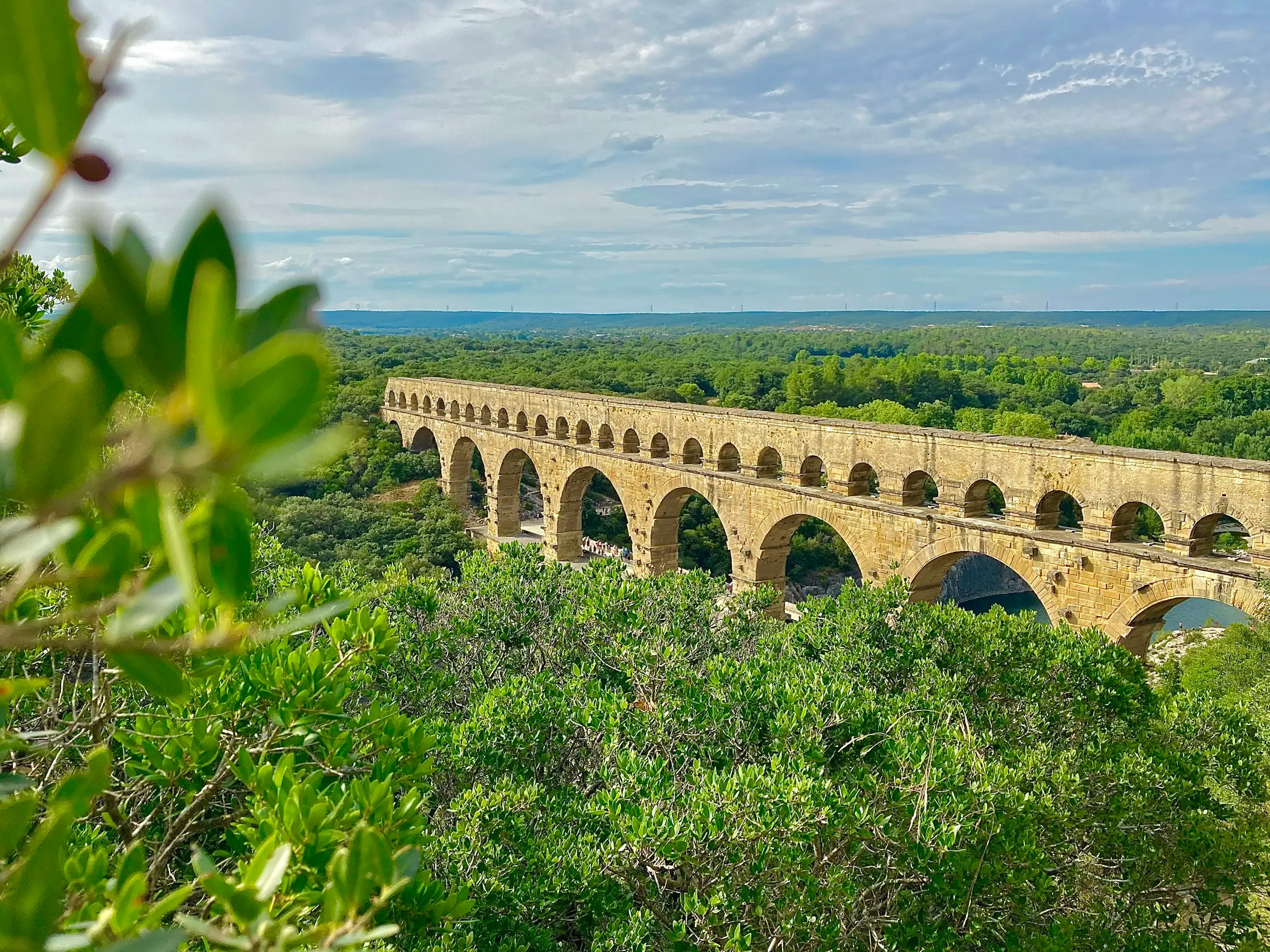 Uzès 2,680 h of sun a year A honey-stone duchy town of about 8,500 in the Gard, entirely complete in itself — one of France's great markets, a walkable Renaissance core, and more spoken English than you'd expect.
 -
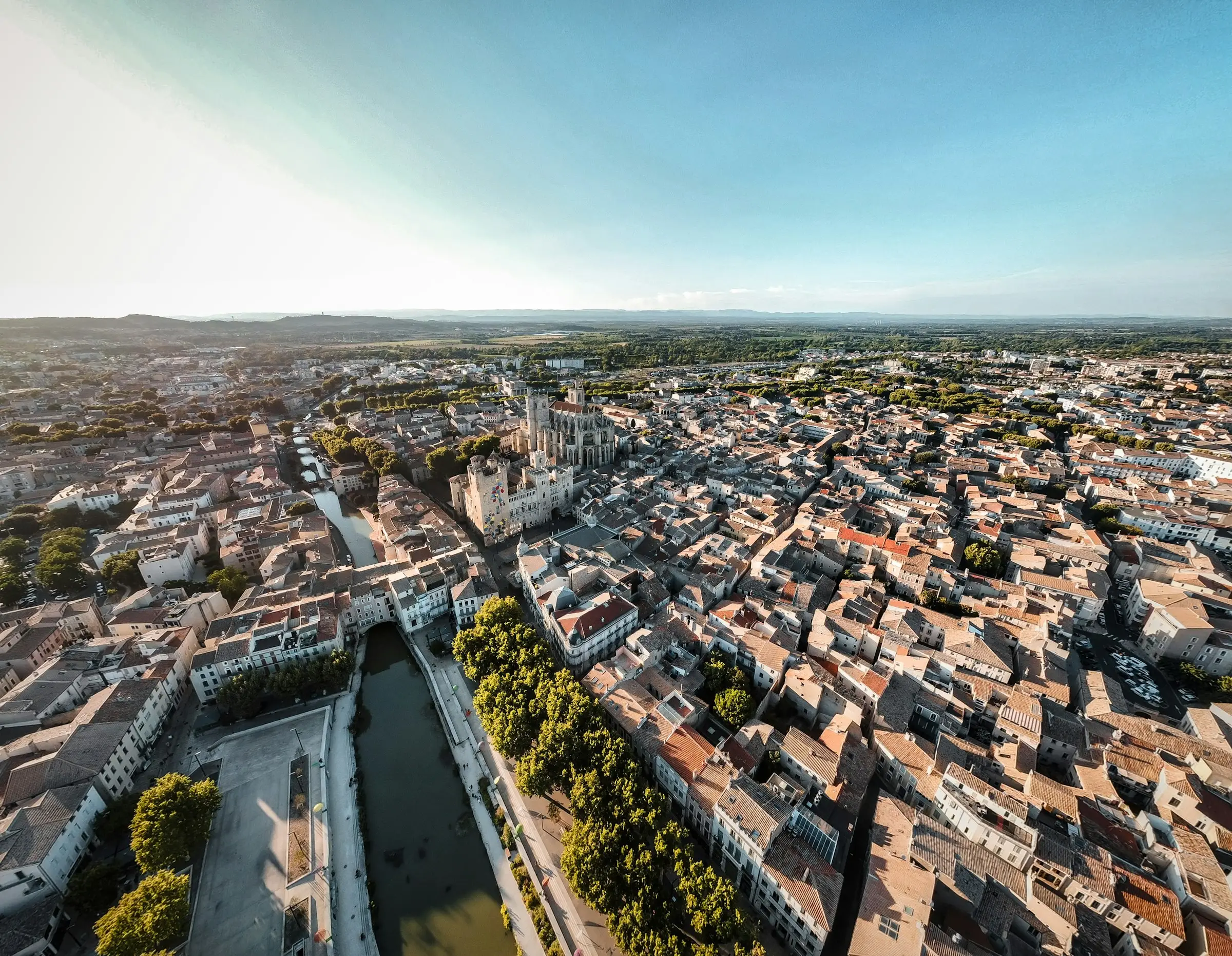 Narbonne 2,489 h of sun a year Rome's provincial capital turned working canal city of about 57,000 in the Aude, with a covered market that opens 365 mornings a year and some of the cheapest Mediterranean-adjacent property in France.
 -
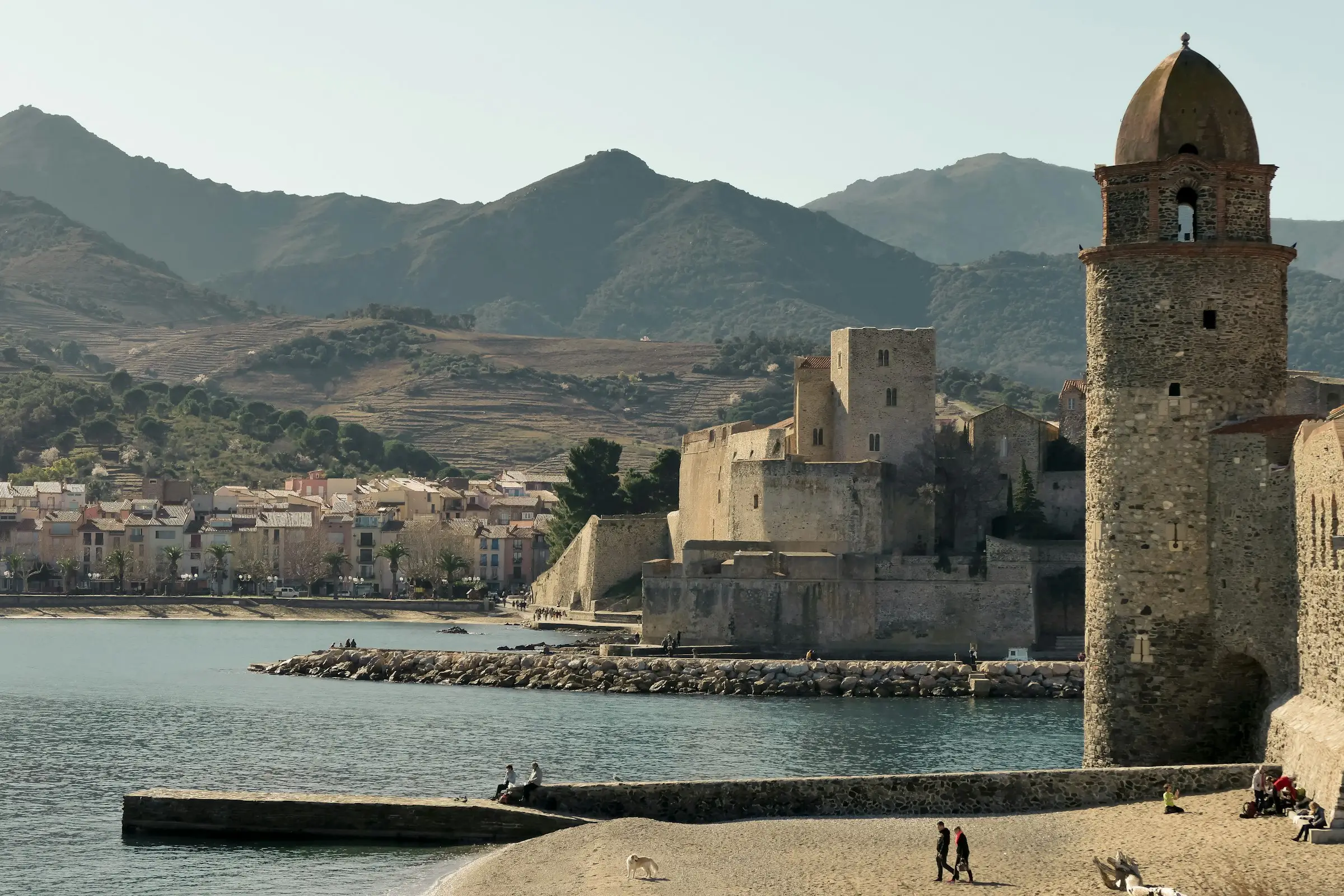 Collioure 2,489 h of sun a year An anchovy-and-artists port of about 2,800 on the Côte Vermeille, in the Pyrénées-Orientales — the bay where Fauvism was born, vineyards to the waterline, and a village that mostly closes its shutters in winter.
 -
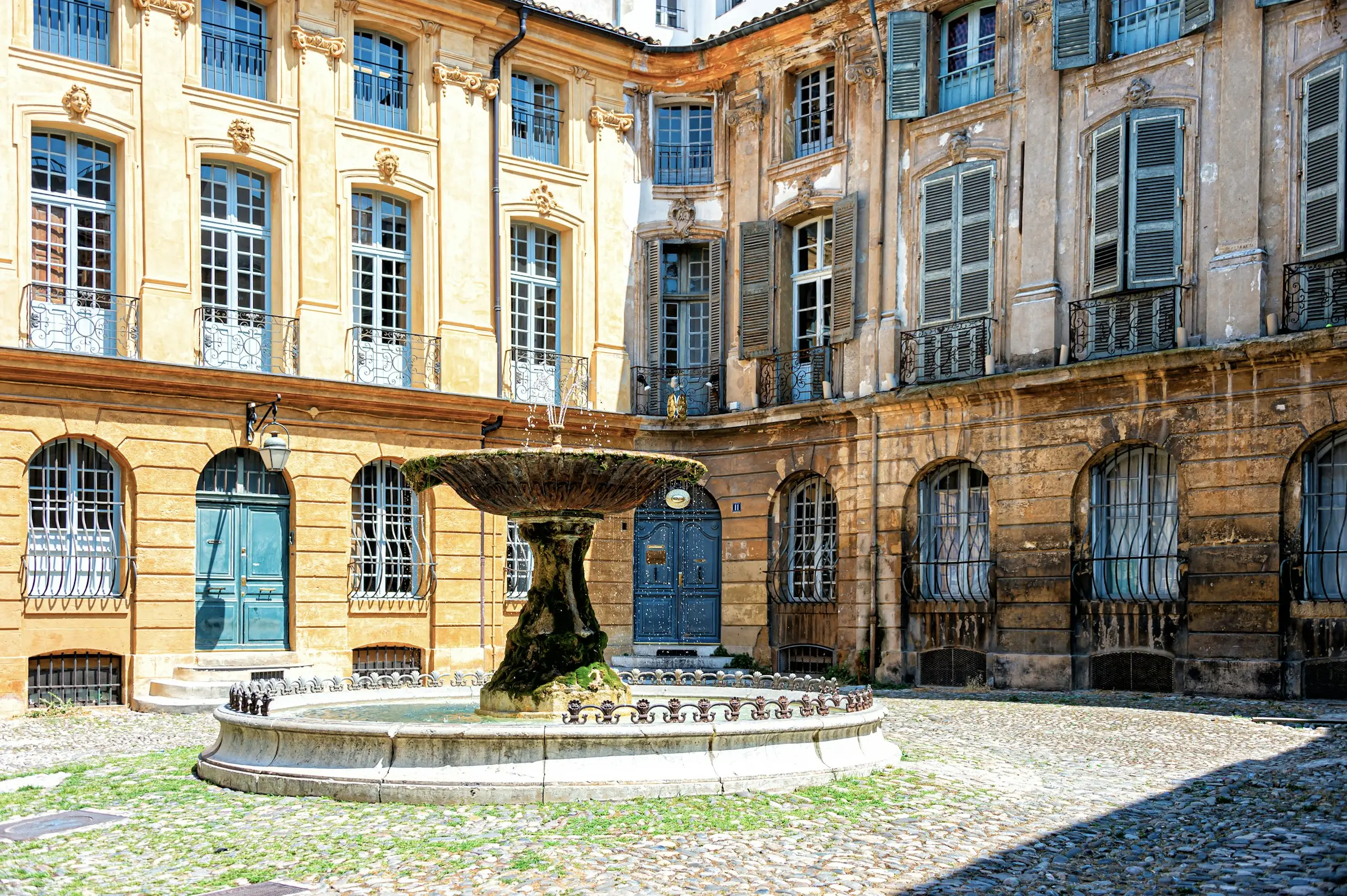 Aix-en-Provence 2,873 h of sun a year Cézanne's hometown of about 150,000 in the Bouches-du-Rhône — a market every single morning, opera in July, and the most established American network in Provence, at prices to match.
 -
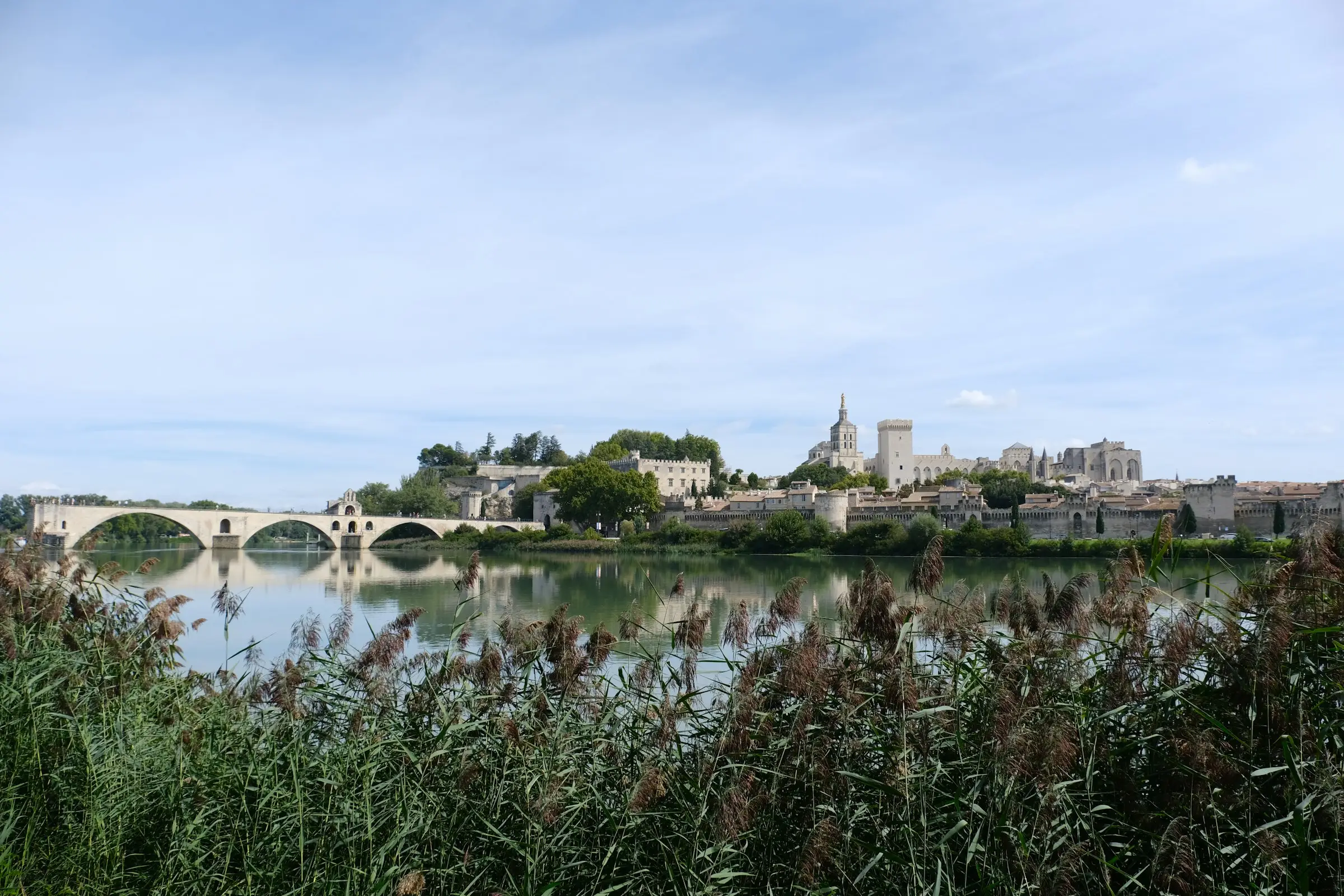 Avignon 2,835 h of sun a year A walled papal city of about 92,000 on the Rhône in the Vaucluse — a real hospital, a fast train to Paris, and a theater festival that takes over every courtyard in July, at prices closer to a village's than a city's.
 -
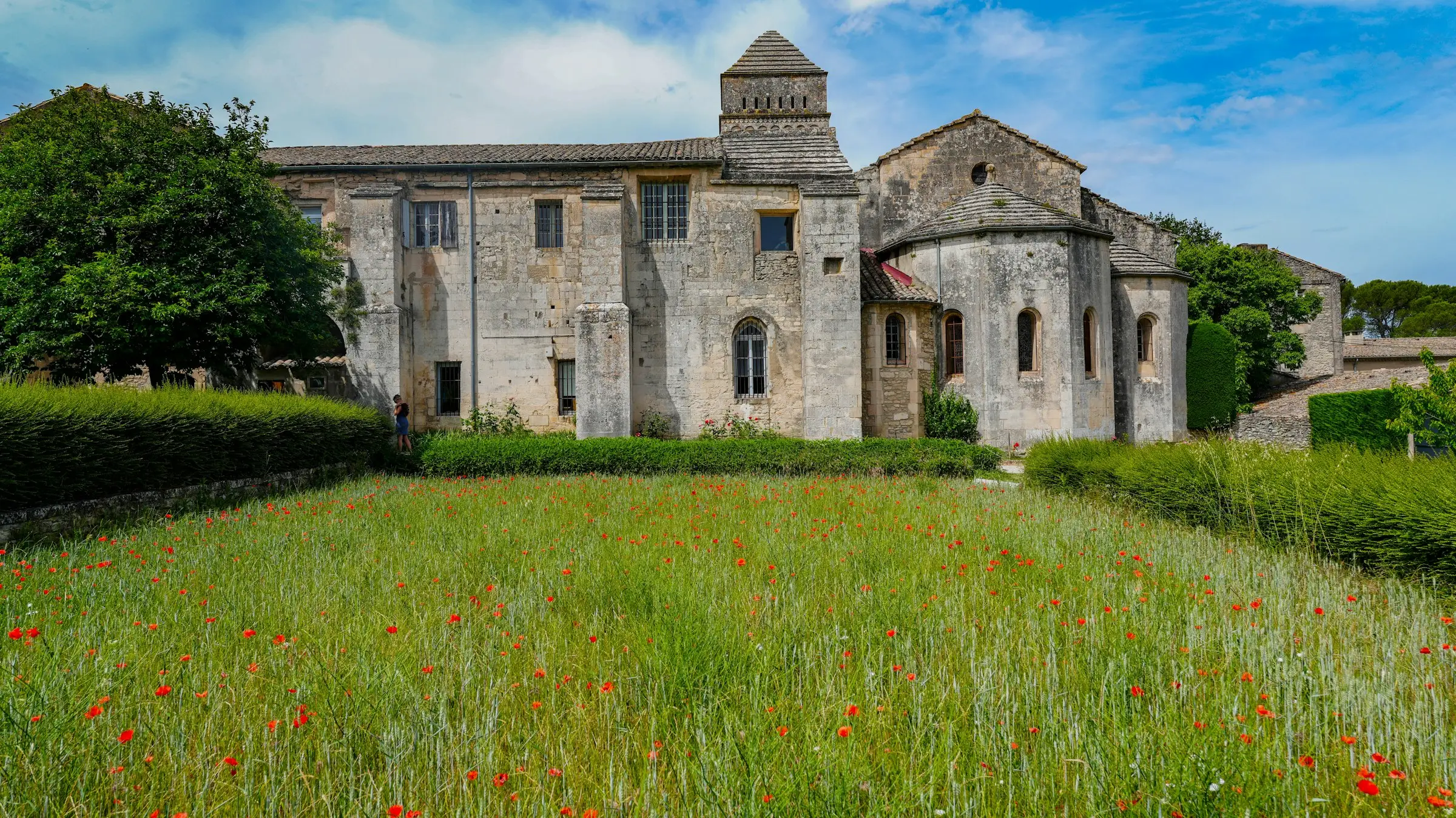 Saint-Rémy-de-Provence 2,835 h of sun a year The polished heart of the Alpilles — a town of about 9,500 in the Bouches-du-Rhône where Van Gogh painted the olive groves, the Wednesday market is one of the south's great ones, and the world's affection is fully priced in.
 -
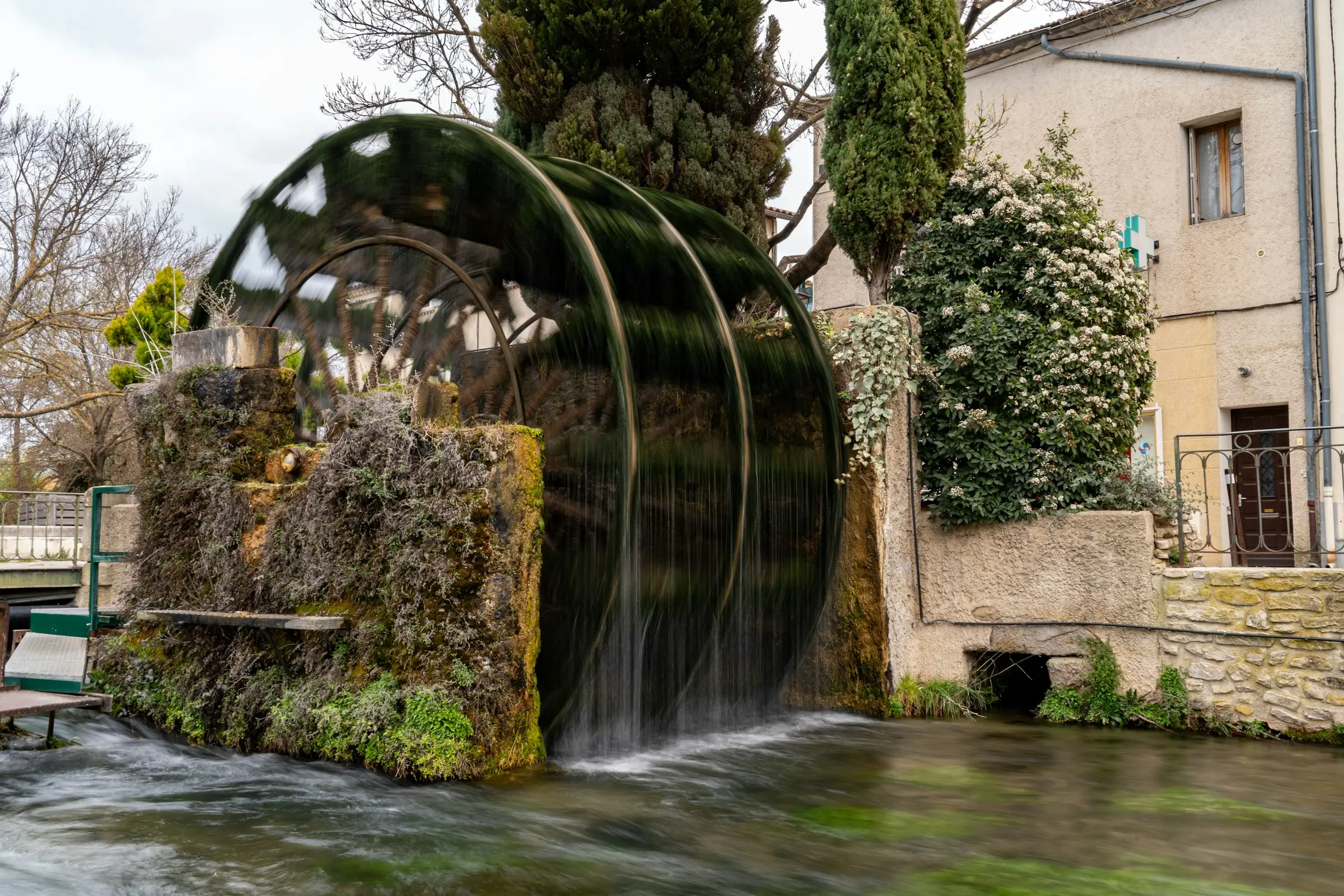 L'Isle-sur-la-Sorgue 2,835 h of sun a year A canal-threaded town of about 20,000 in the Vaucluse, famous for its Sunday antiques-and-everything market — and quietly remarkable for going back to being a real, working Provençal town the other six days.
 -
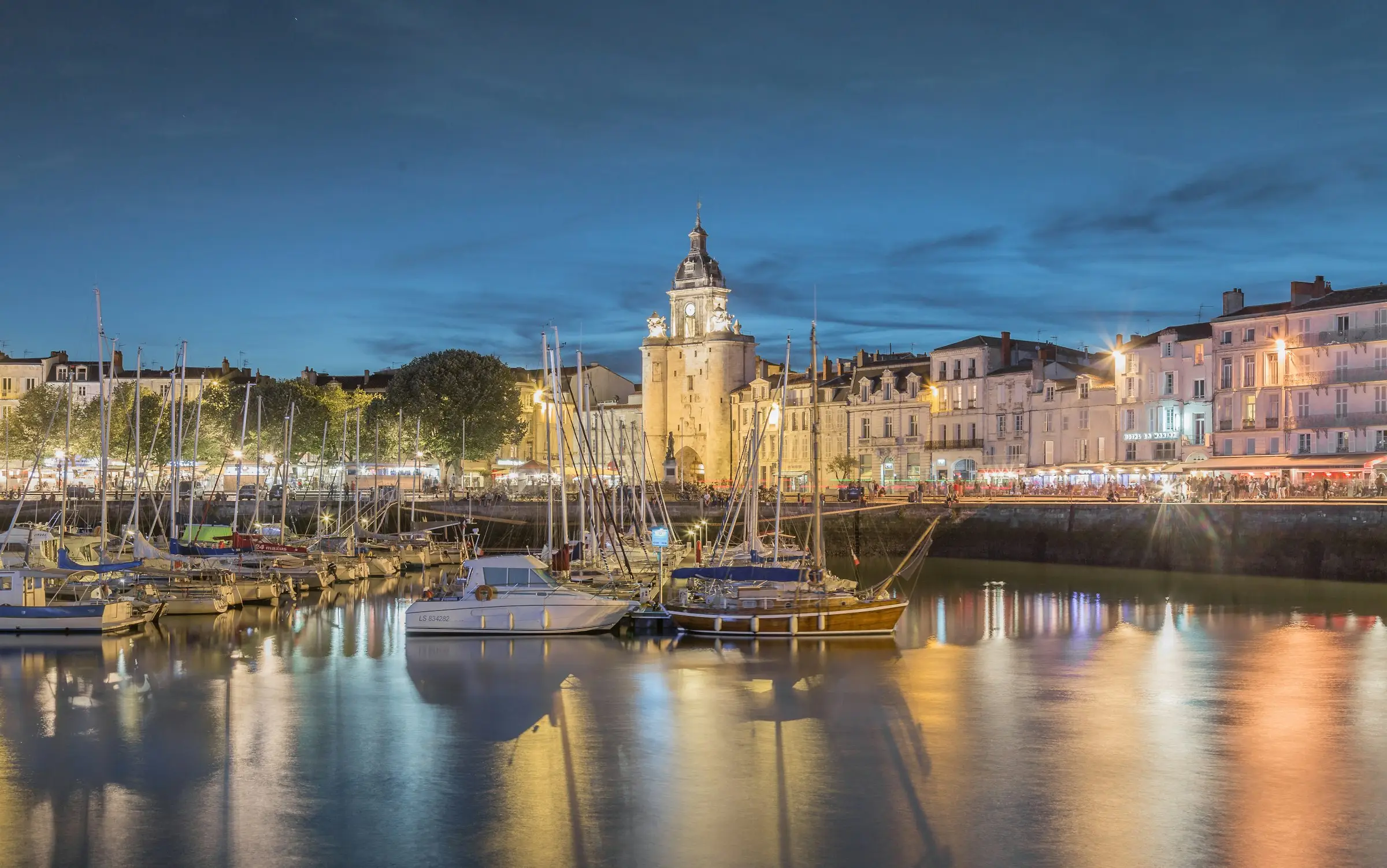 La Rochelle 2,303 h of sun a year An arcaded Atlantic harbor city of about 80,000 in Charente-Maritime — sailboats, a covered market that opens every morning, and some of the west coast's most generous sunshine, at prices the second-home money has already noticed.
 -
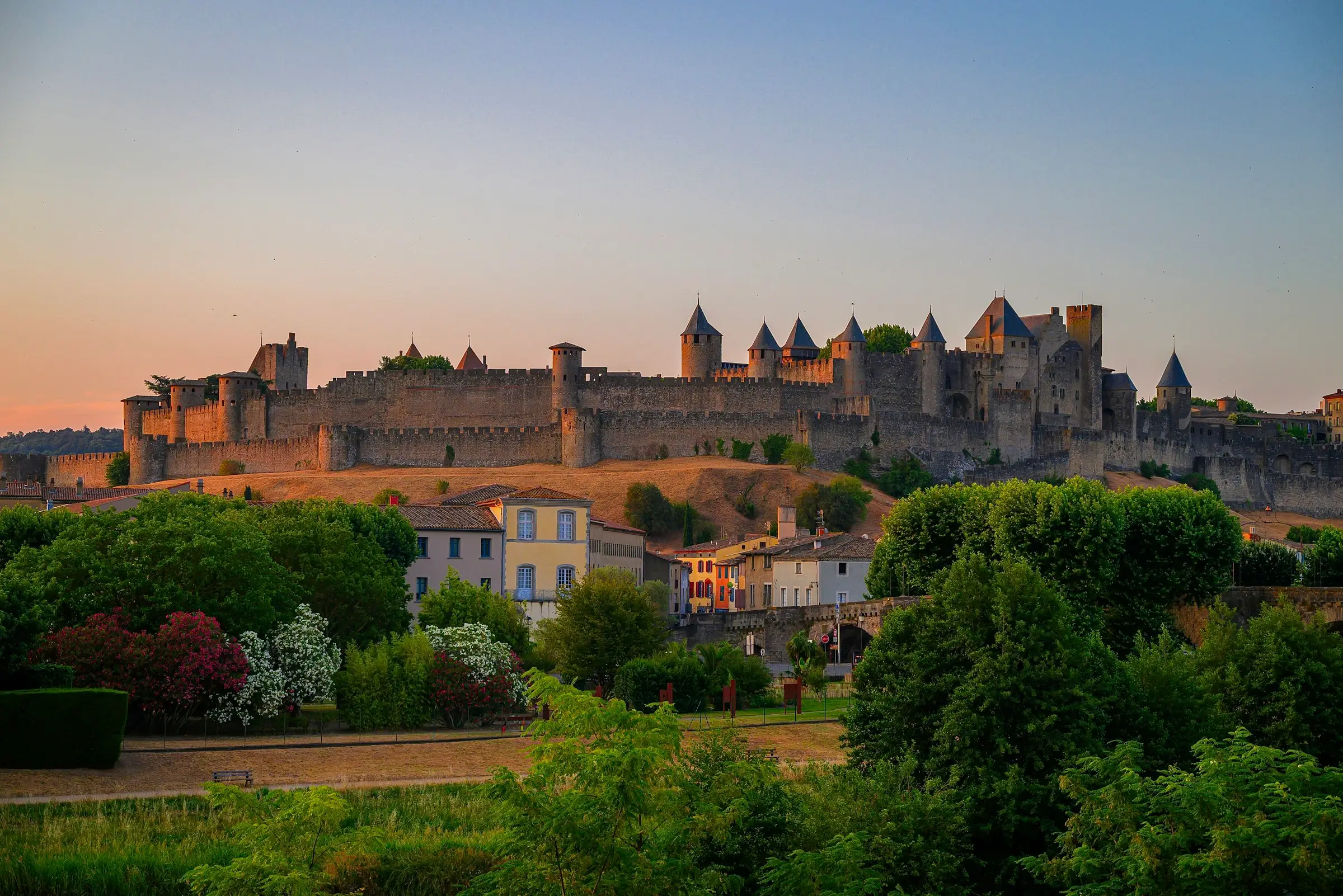 Carcassonne 2,170 h of sun a year A working small city of about 46,000 in the Aude, strung along the Canal du Midi below a double-walled medieval citadel the whole world visits — at property prices that read like a misprint.
 -
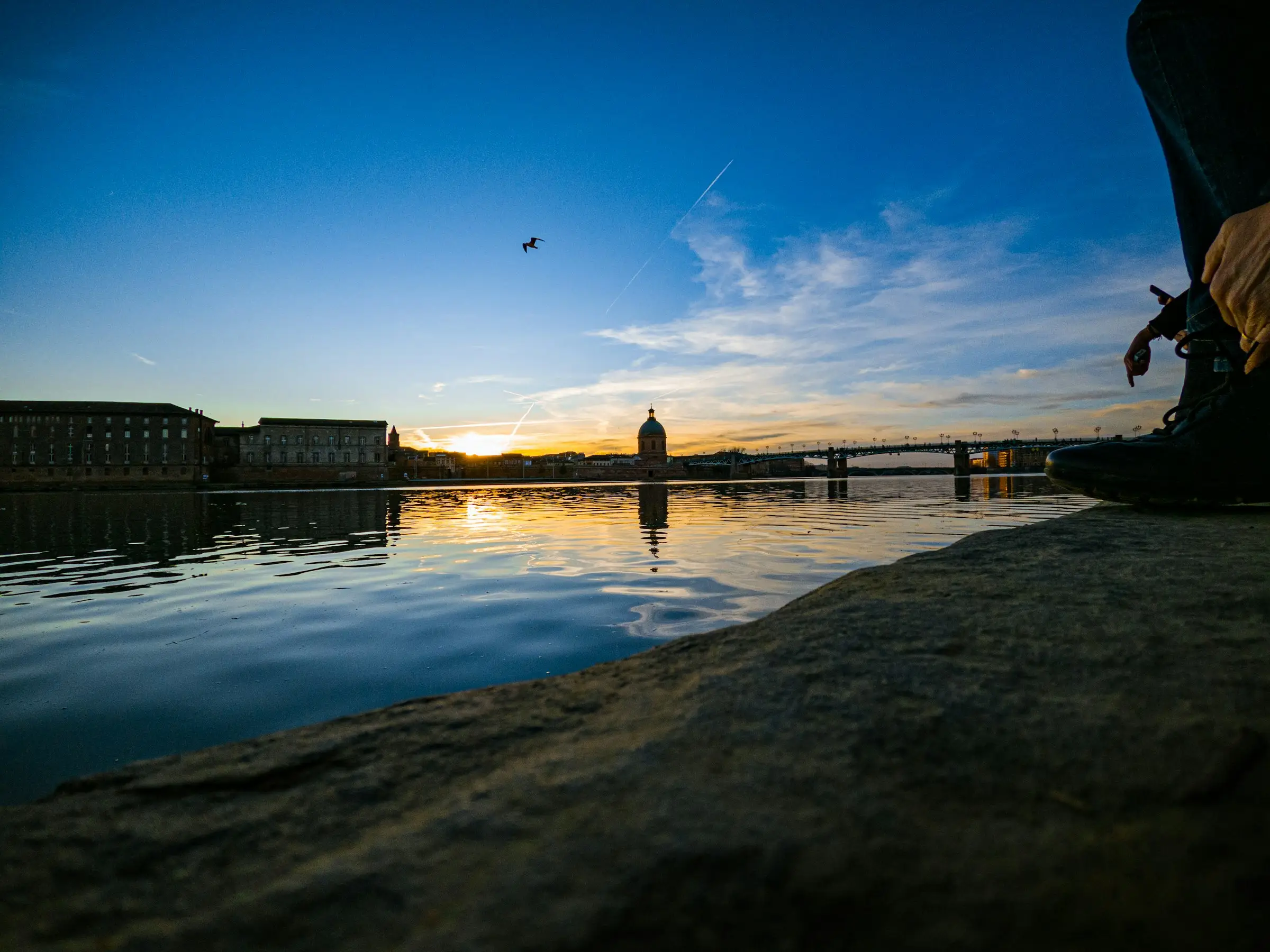 Toulouse 2,075 h of sun a year A rose-brick metropolis of half a million in the Haute-Garonne, run on aerospace and students rather than tourism — big-city medicine, an American club, and the Pyrenees an hour away.
 -
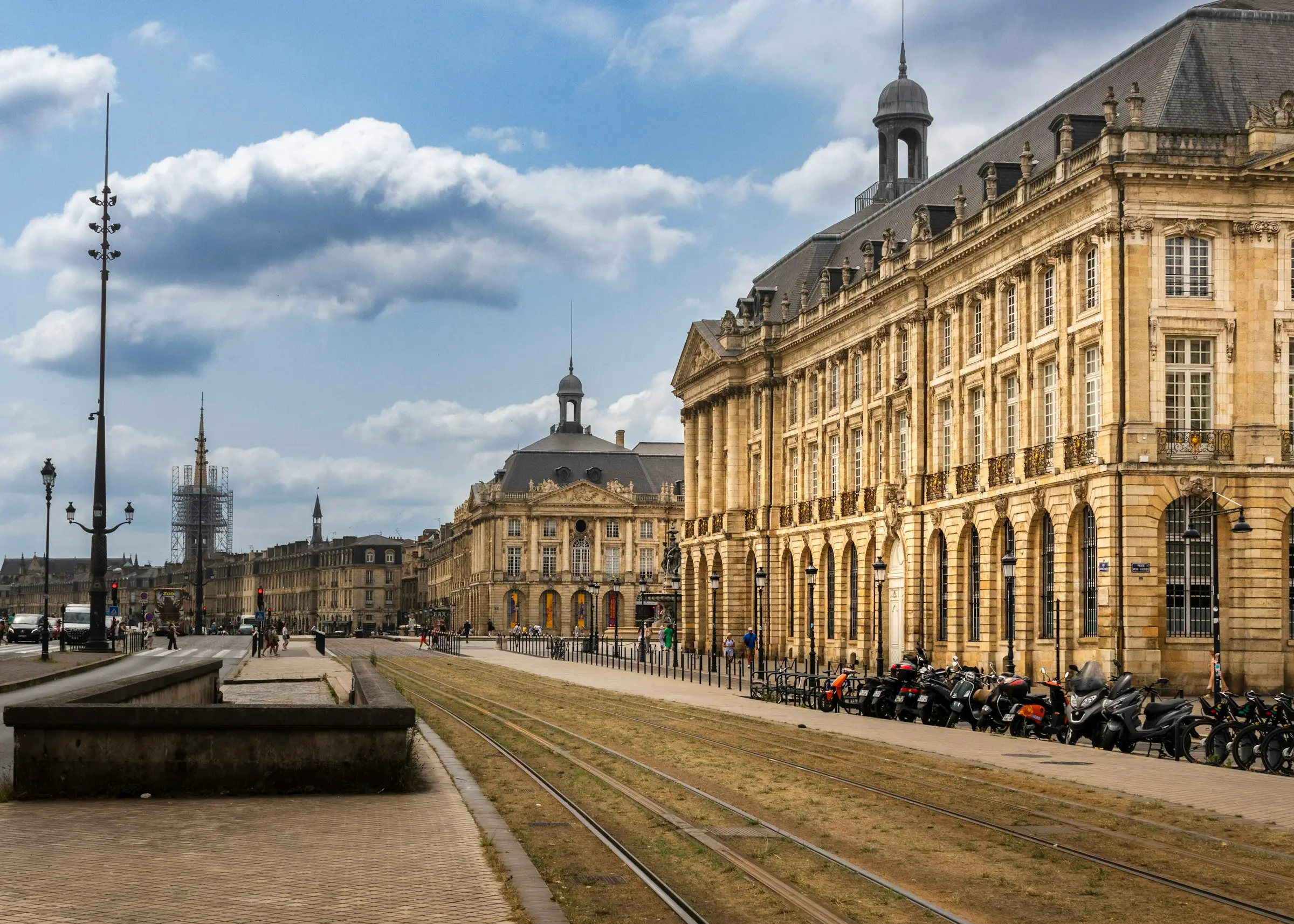 Bordeaux 2,070 h of sun a year France's wine capital: a limestone city of about 268,000 in the Gironde, flat and walkable at the center, with a university hospital seven minutes away and Americans who have been organizing here since 1969.
 -
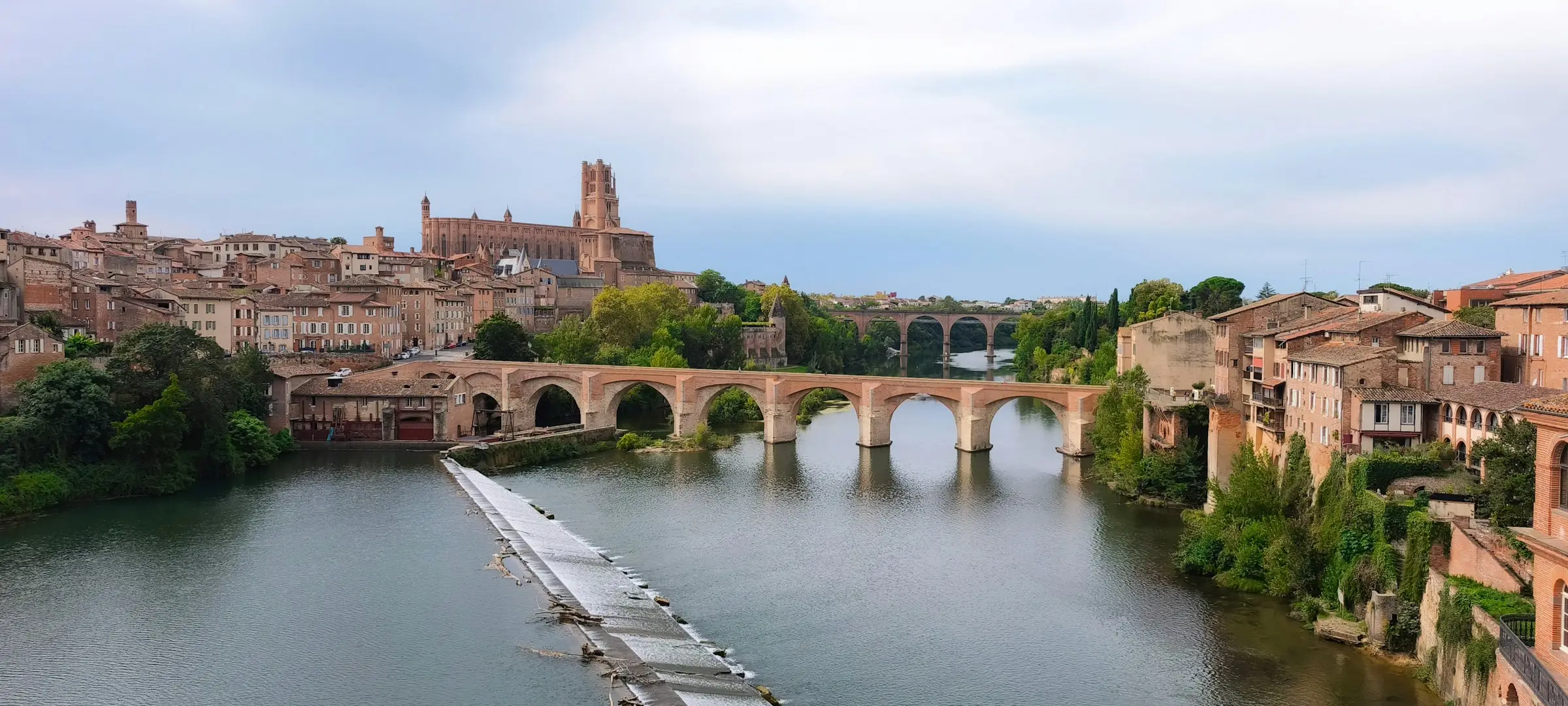 Albi 2,134 h of sun a year A rose-brick city of about 51,000 in the Tarn, an hour from Toulouse — a UNESCO fortress-cathedral and the world's Toulouse-Lautrec collection sitting on top of everyday prices and an everyday pace.
 -
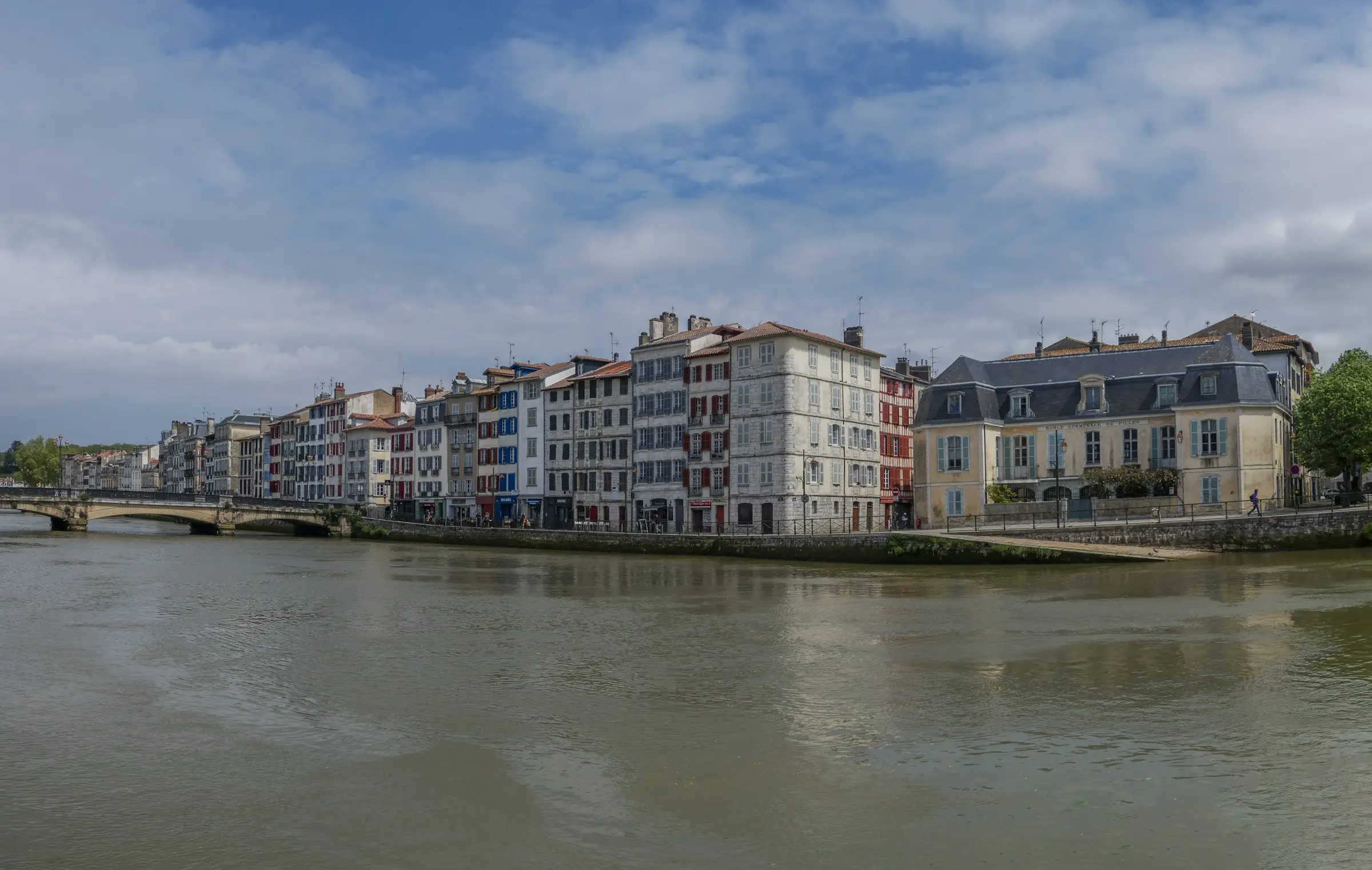 Bayonne 1,921 h of sun a year A river city of about 54,000 in the Pyrénées-Atlantiques and the working capital of the French Basque Country — chocolate in the arcades, ham in the halles, the ocean minutes away, and real life running all twelve months.
 -
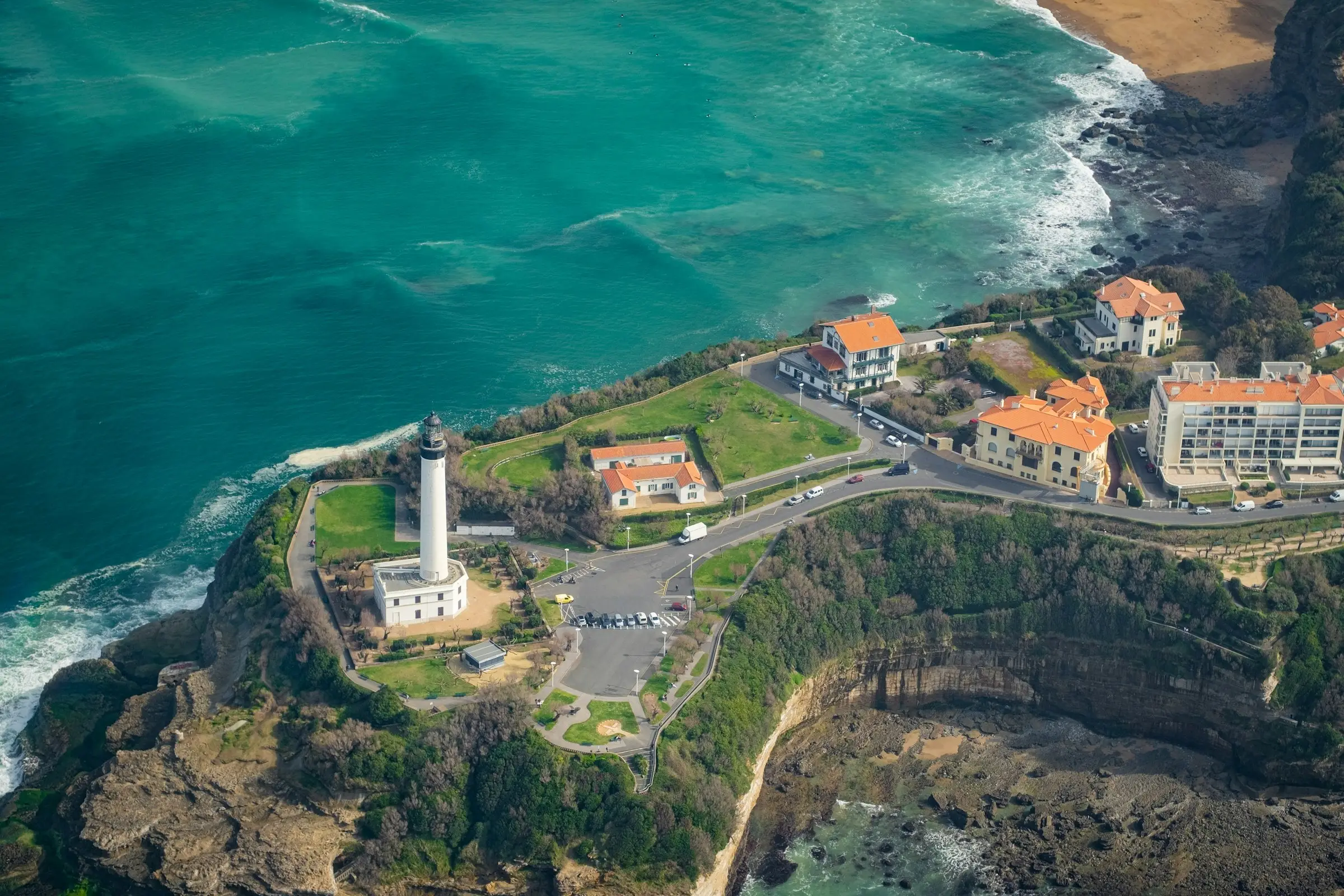 Biarritz 1,921 h of sun a year A Belle Époque resort of about 26,000 in the Pyrénées-Atlantiques — imperial villas above the beach, wetsuits below, and some of the most expensive square meters on France's Atlantic coast.
 -
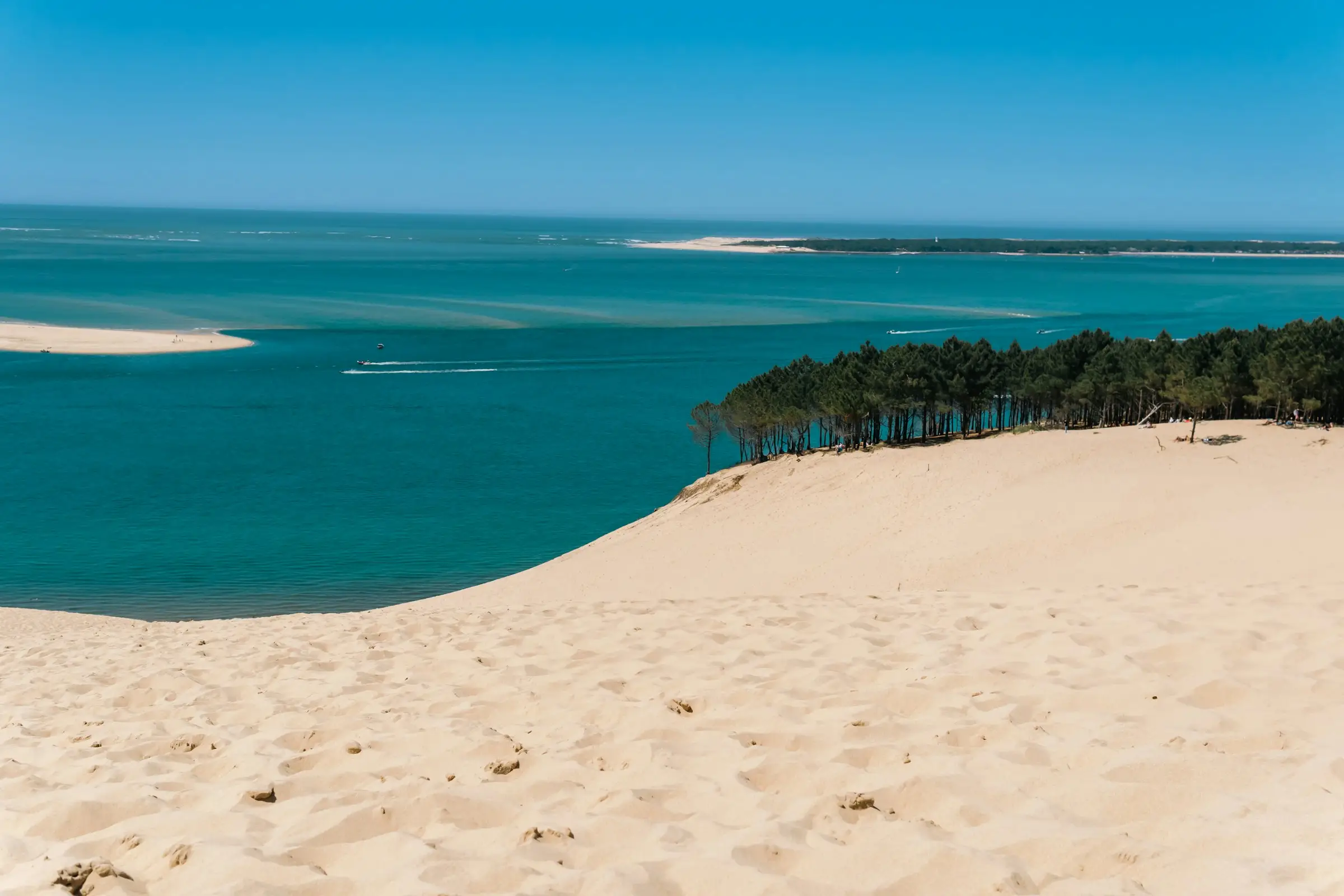 Arcachon 2,121 h of sun a year A belle époque bay town of about 11,000 in the Gironde — oyster boats below eccentric 19th-century villas, Bordeaux fifty minutes away, and a second-home share that decides what your January feels like.
 -
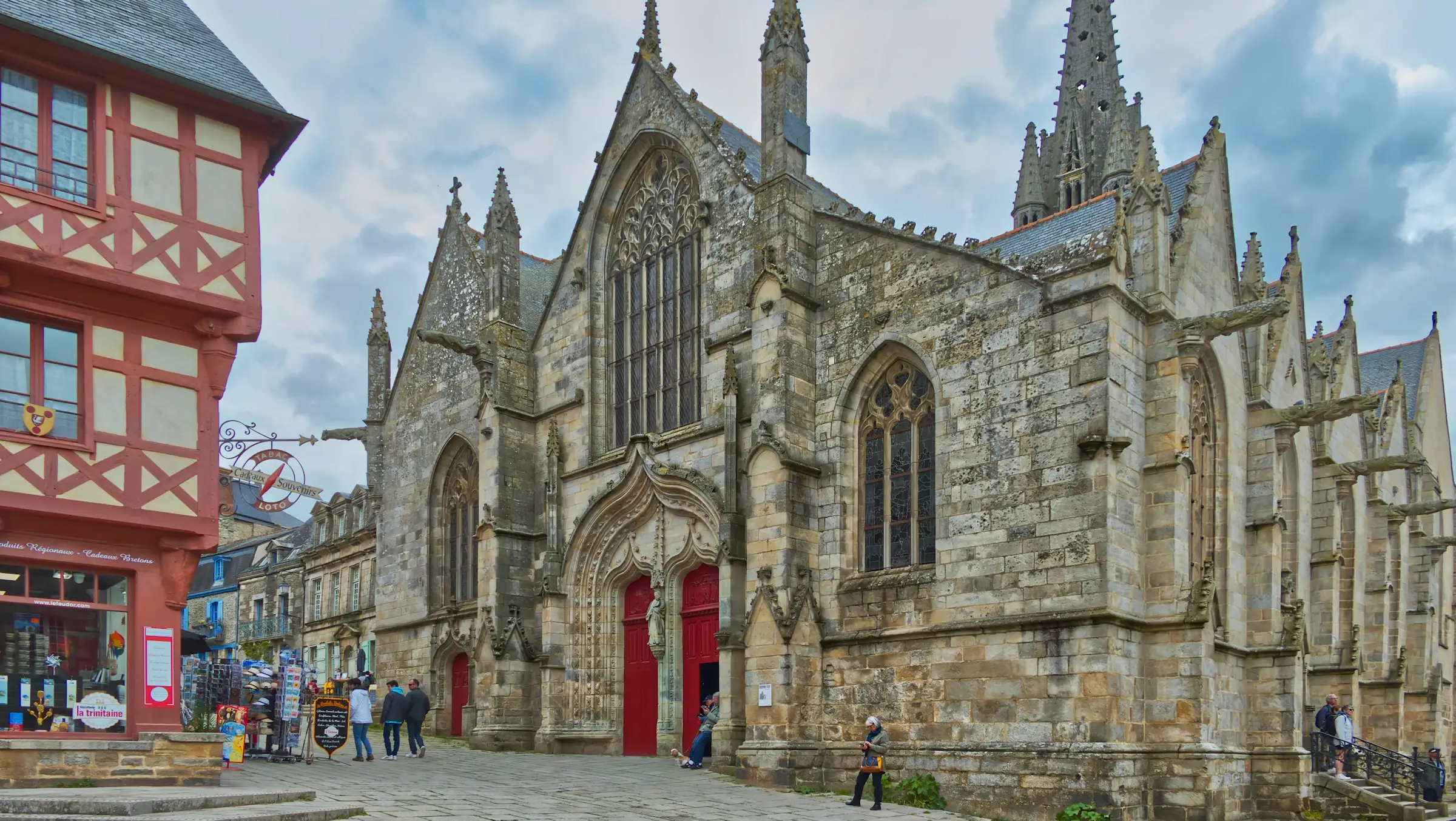 Vannes 1,981 h of sun a year A half-timbered harbor town of about 56,000 in the Morbihan — medieval walls with gardens at their feet, a marina at the old town gate, and Brittany at its mildest. The prefecture works all year, which is exactly the point.
 -
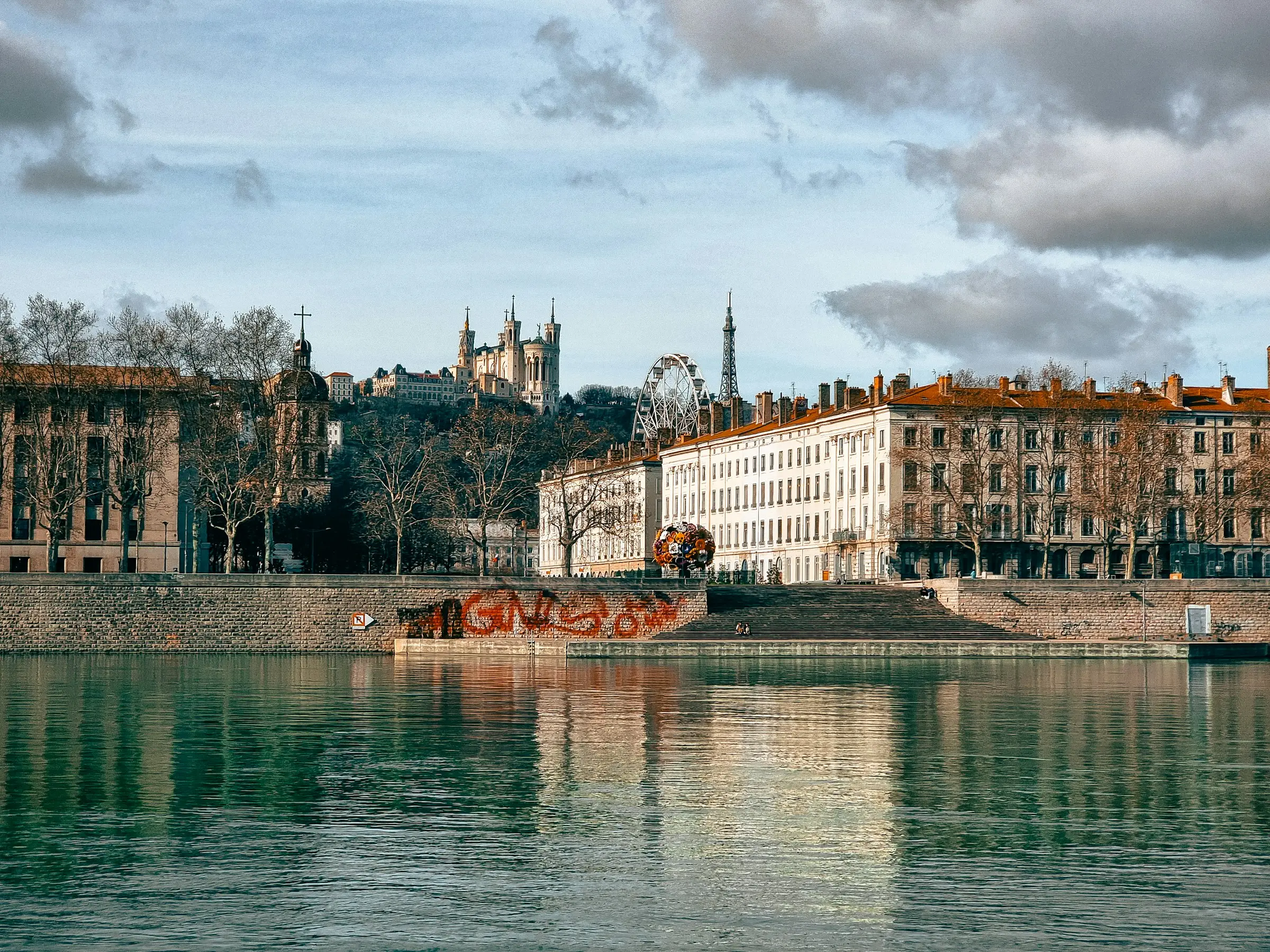 Lyon 2,050 h of sun a year France's gastronomic capital: half a million people in the Rhône department, where the Rhône meets the Saône — big-city medicine, a TGV to Paris in under two hours, and one of the best-organized American communities in the country.
 -
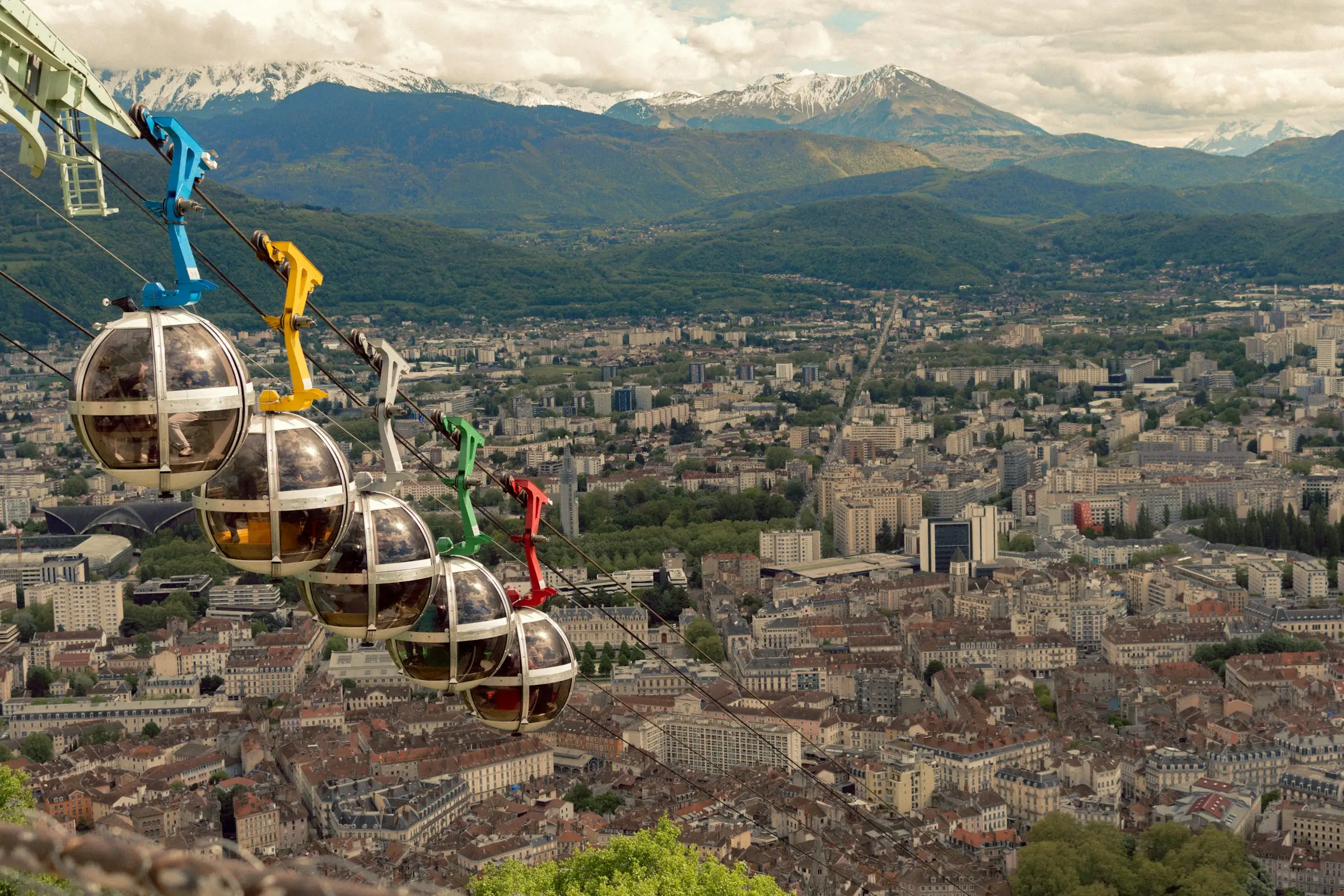 Grenoble 2,108 h of sun a year A working university-and-research city of about 156,000 in the Isère, laid flat on its valley floor with three mountain ranges closing every view — big-city medicine and culture at prices that don't behave like either.
 -
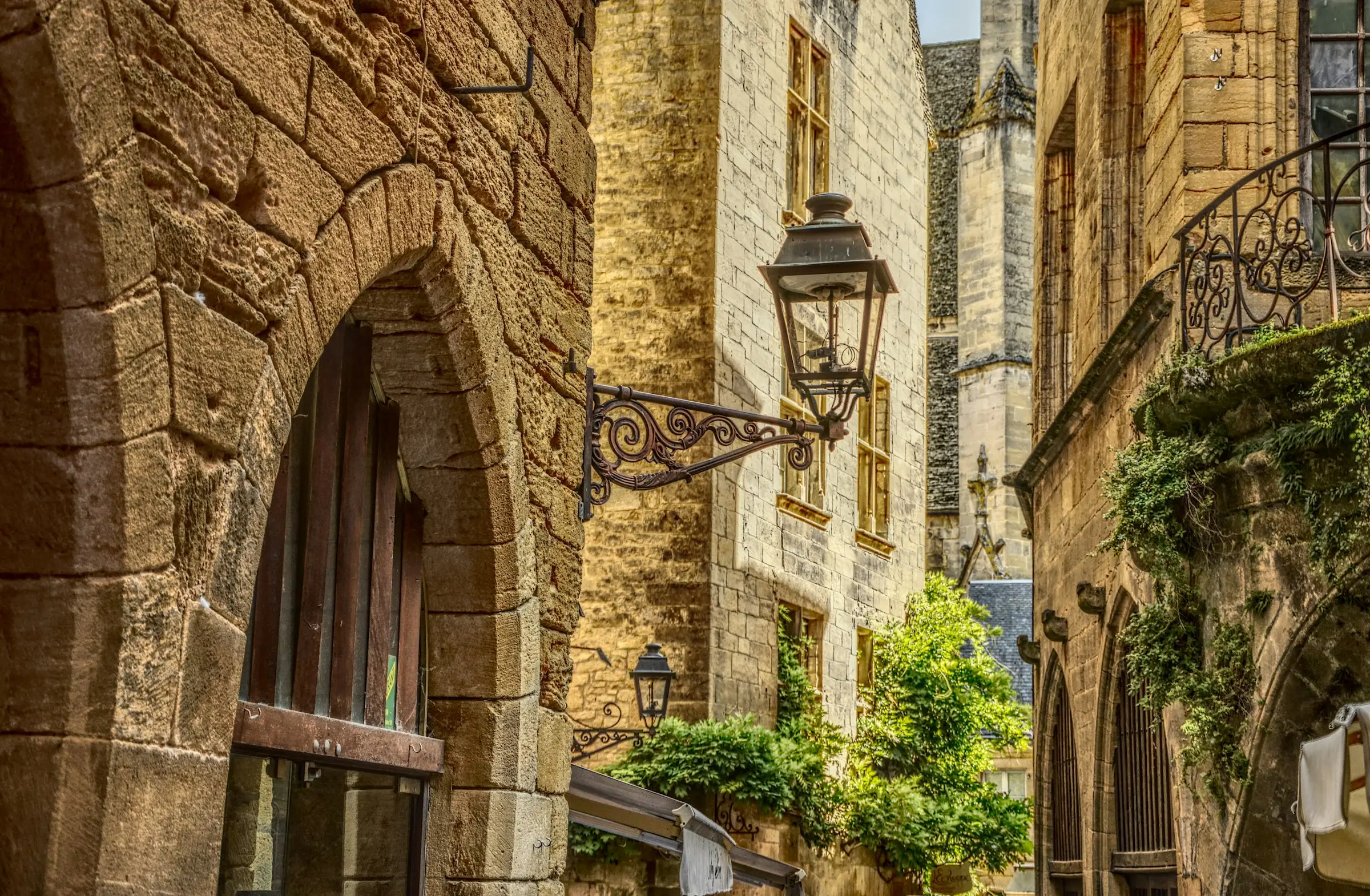 Sarlat-la-Canéda 2,076 h of sun a year The golden-stone seat of the Périgord Noir — a medieval town of about 8,800 in the Dordogne with one of France's great food markets, prices that undercut the fashionable south, and a summer that belongs to the crowds.
 -
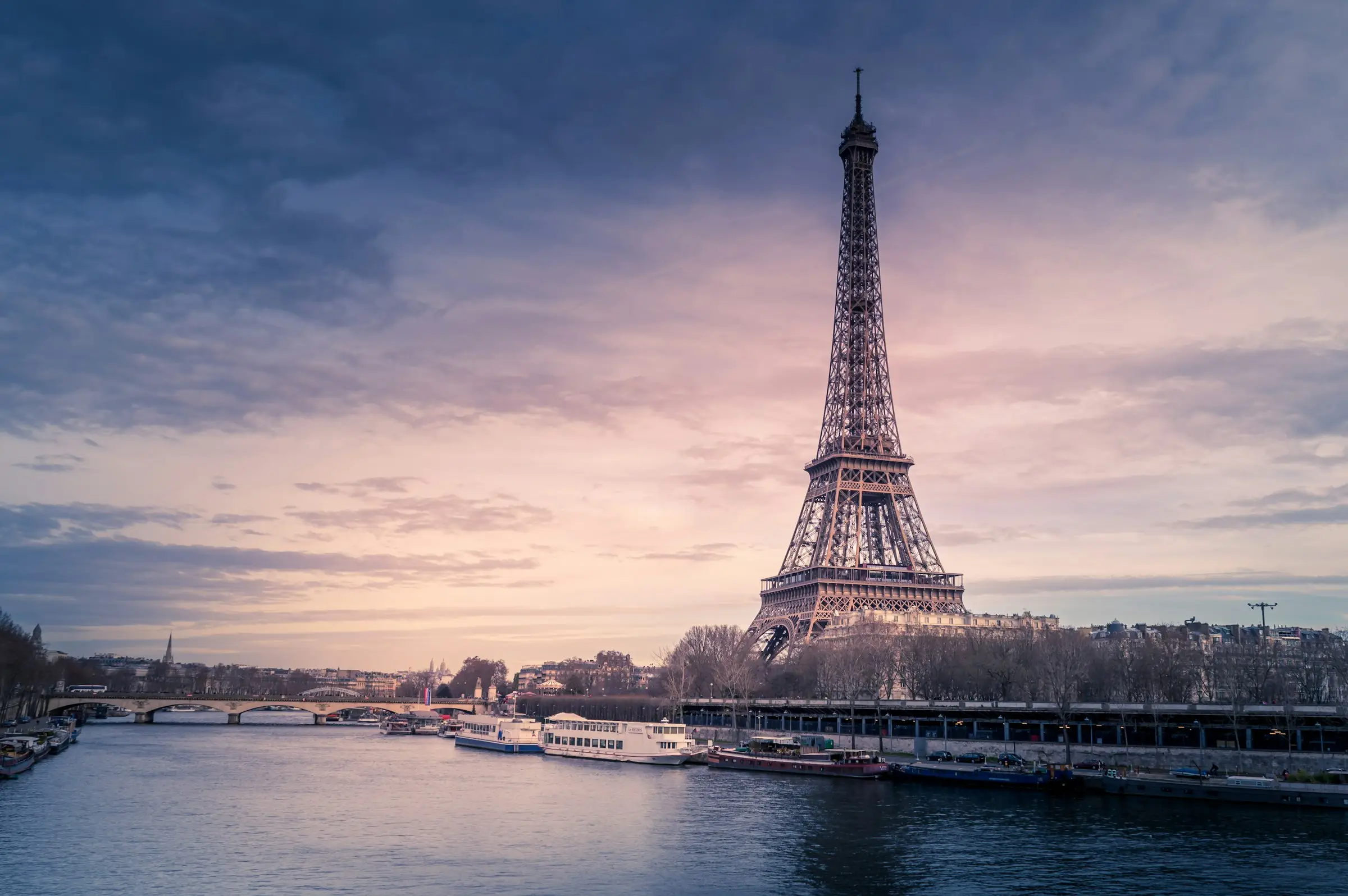 Paris 1,717 h of sun a year The capital of everything — 2.1 million people across twenty arrondissements, at street level a federation of villages, each with its own market street. Home to the largest American community in France, and the most expensive square meter in it.
 -
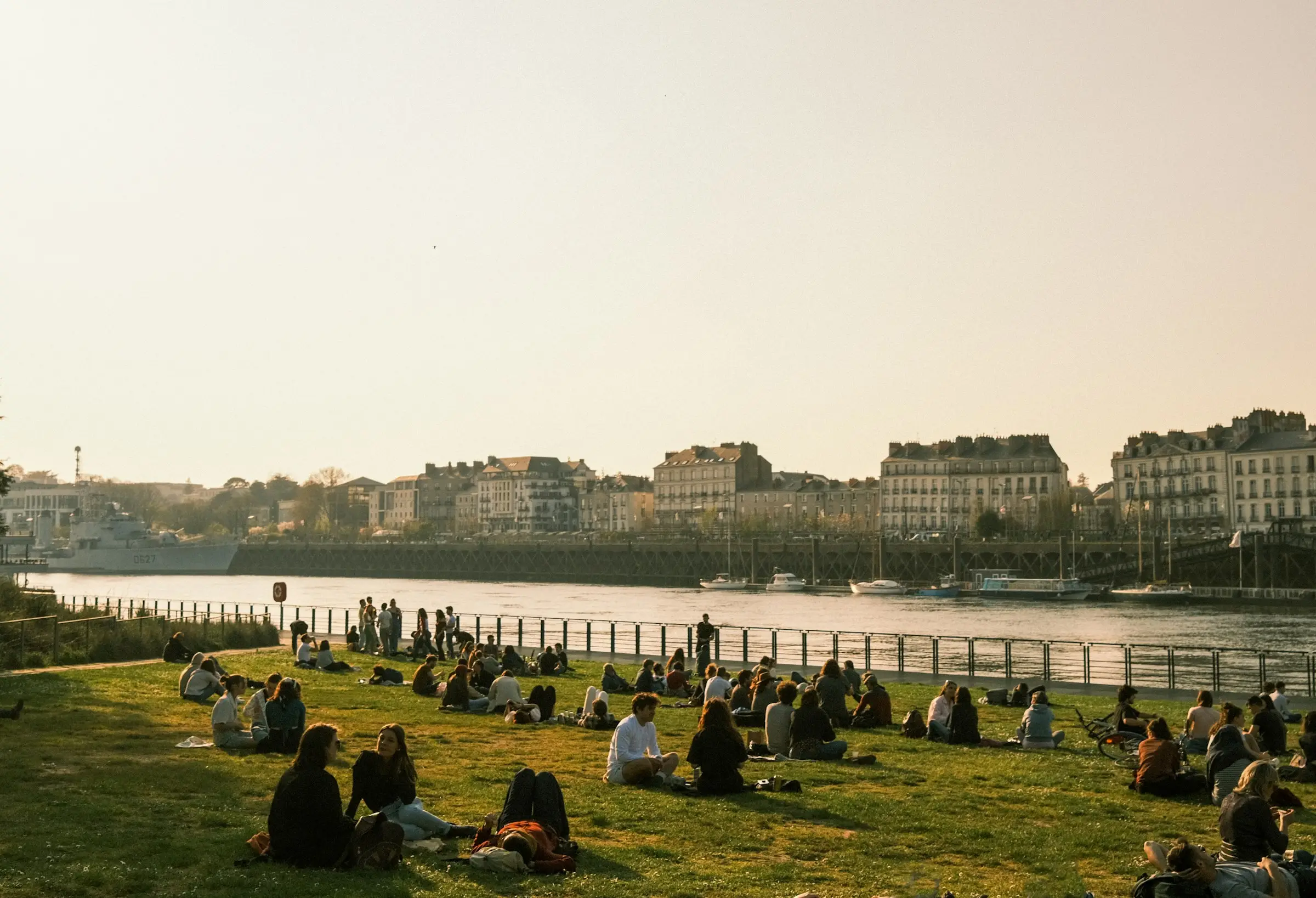 Nantes 1,873 h of sun a year France's great western city — about 330,000 people in Loire-Atlantique, a shipbuilding port turned creative capital, with university medicine minutes away, Paris two hours by TGV, and the Atlantic forty-five minutes west.
 -
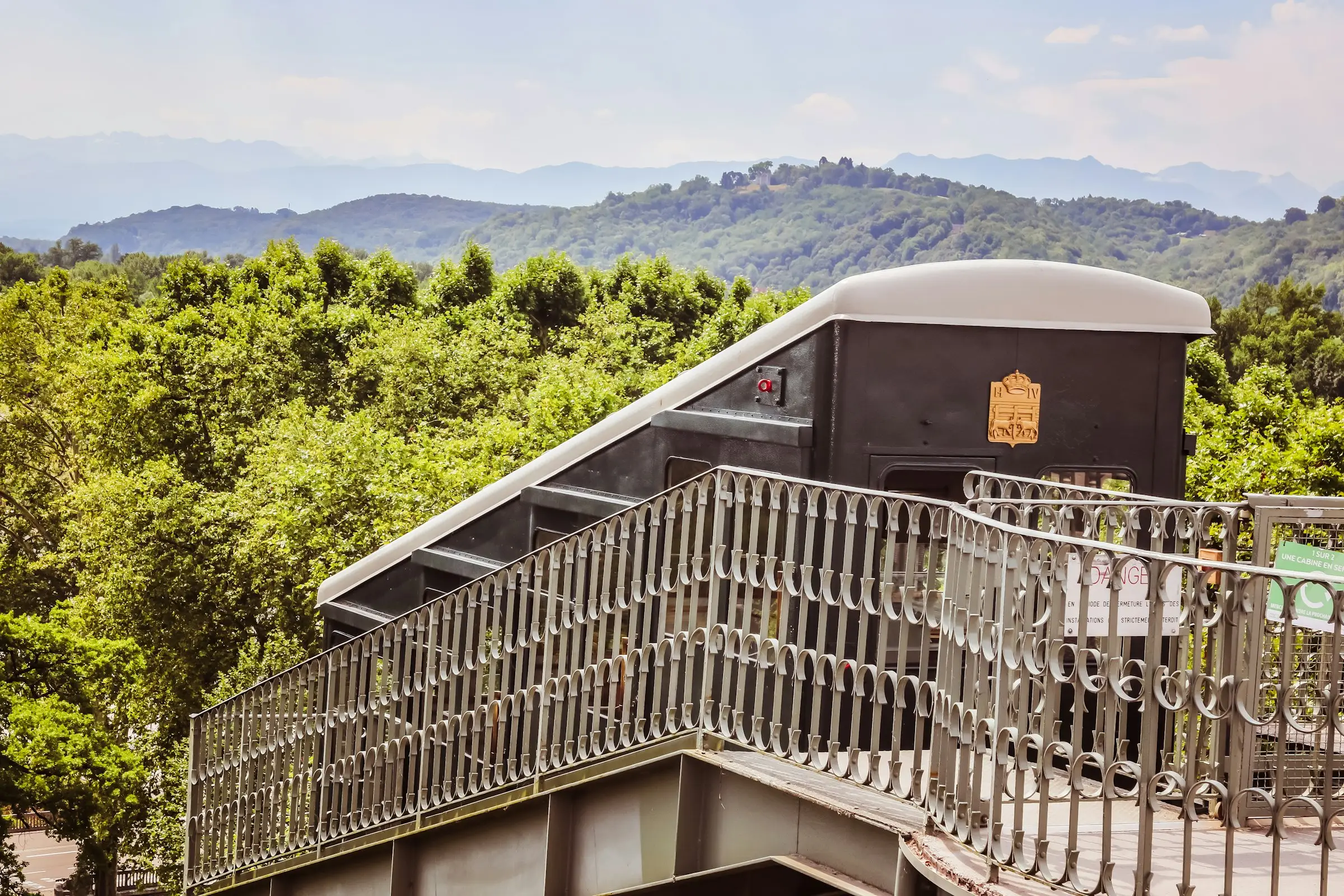 Pau 1,910 h of sun a year A boulevard city of about 80,000 in the Pyrénées-Atlantiques, with the snow line of the Pyrenees hanging at the end of its grand terrace — real-city amenities, gentle prices, and an anglophone habit going back 170 years.
 -
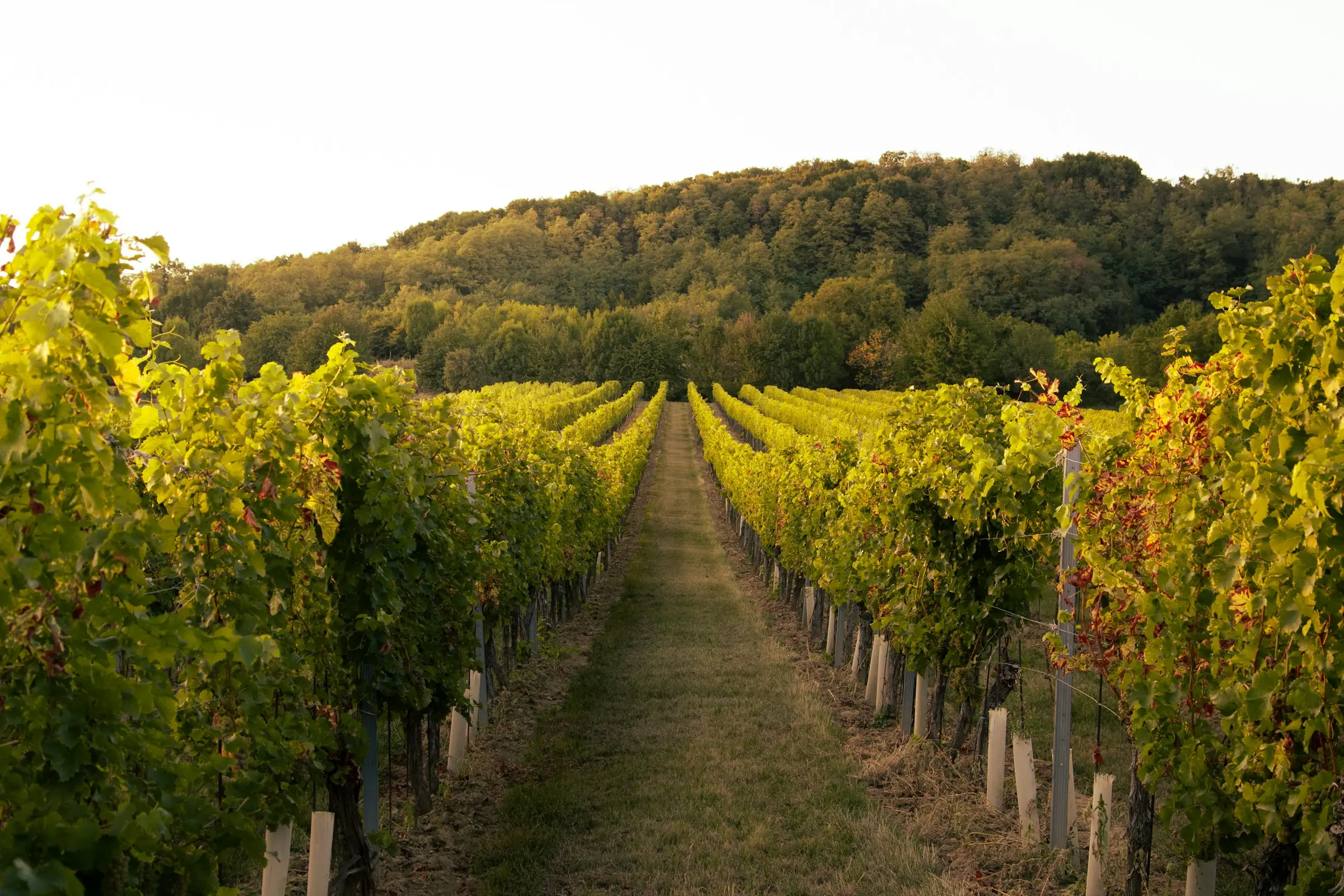 Angers 1,845 h of sun a year A slate-roofed, park-threaded city of about 159,000 on the Maine in Maine-et-Loire, minutes upstream of the Loire — a fixture near the top of France's livability rankings that almost no American has thought to shortlist.
 -
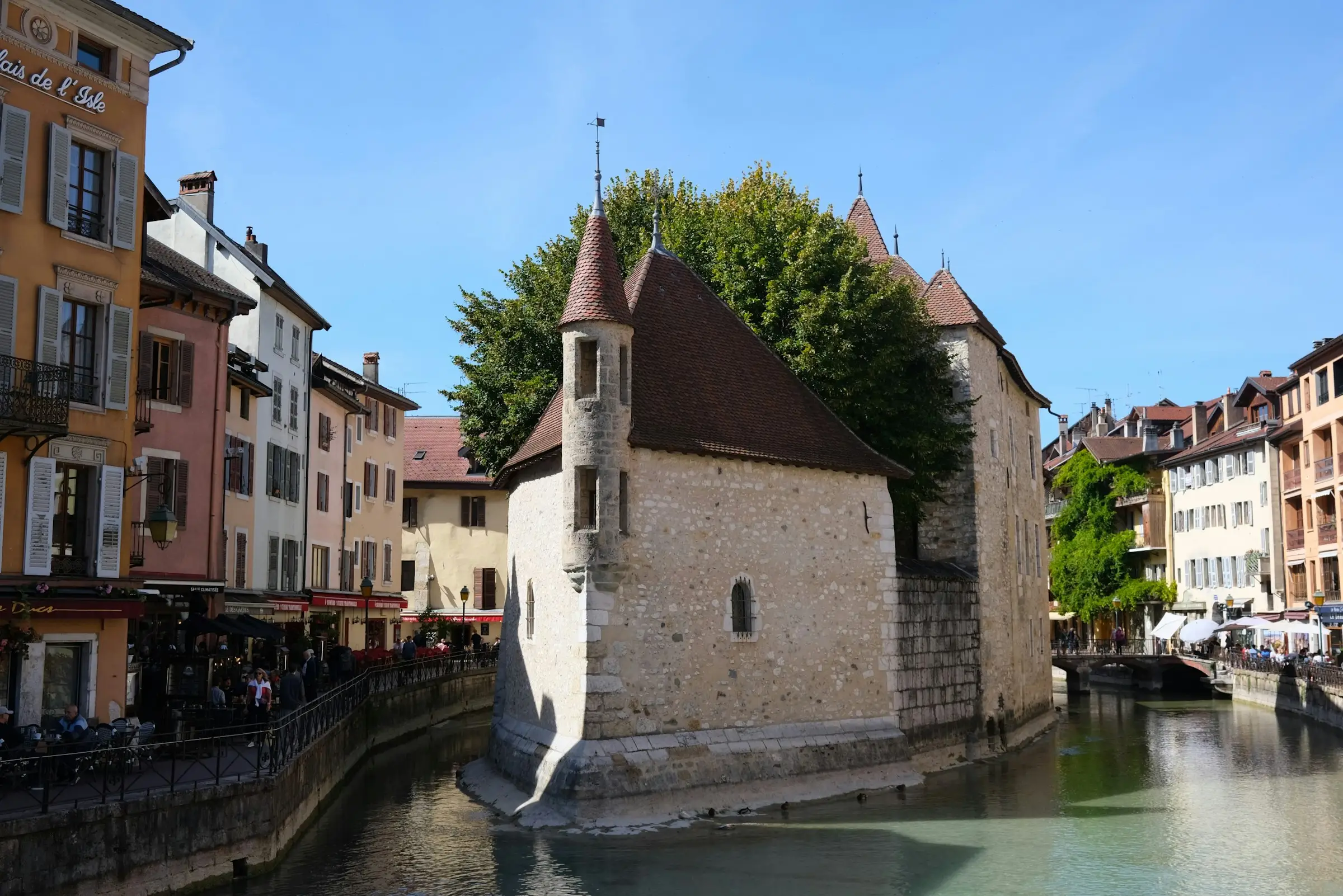 Annecy 2,069 h of sun a year An alpine lake city of about 130,000 in Haute-Savoie — turquoise water, a canal-laced old town, and Geneva's airport 45 minutes away — that is every bit as expensive as it looks.
 -
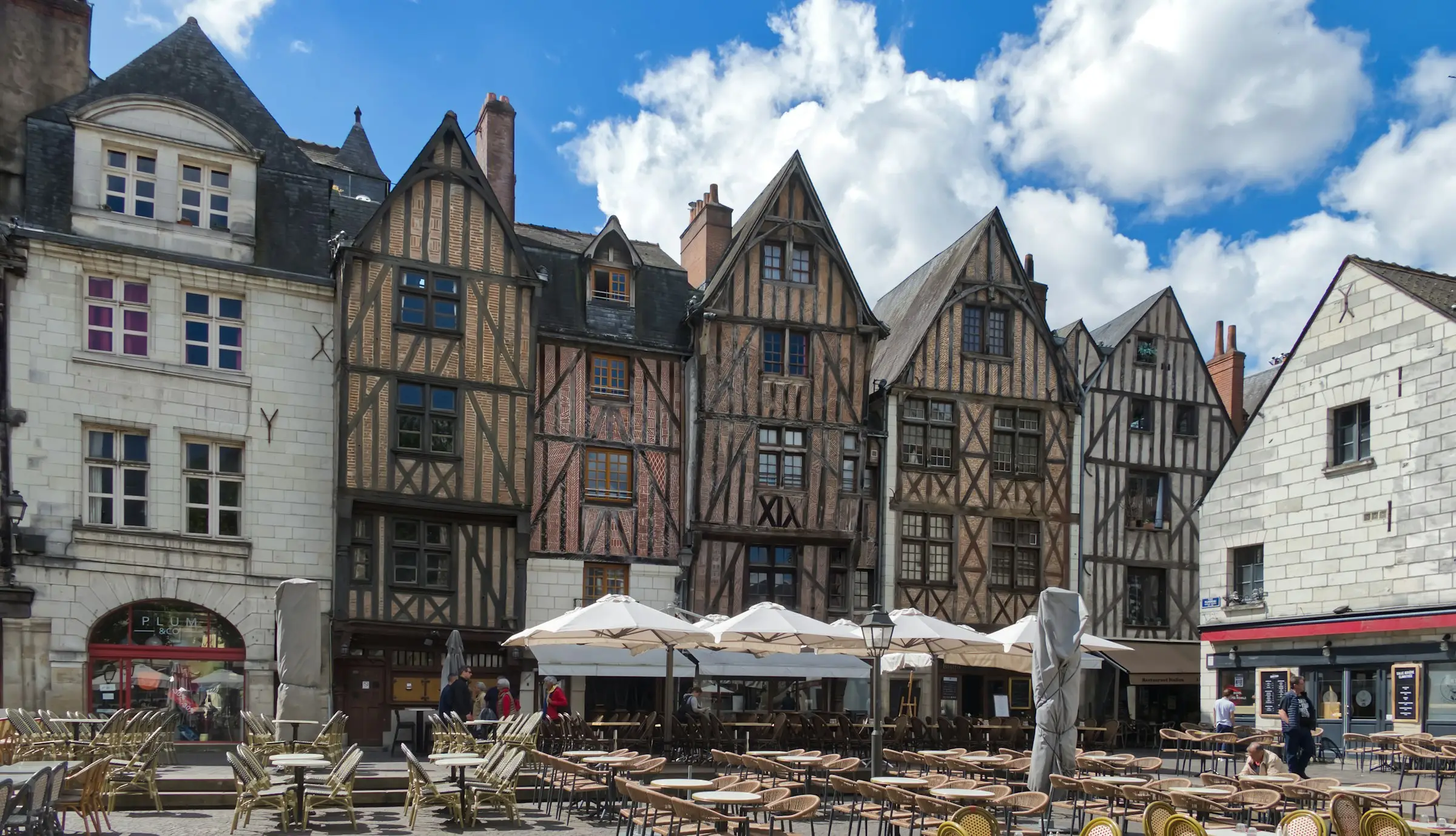 Tours 1,885 h of sun a year A university city of about 139,000 between the Loire and the Cher in Indre-et-Loire — the working heart of the 'garden of France,' with a major teaching hospital seven minutes away, Paris a little over an hour by TGV, and a reputation for the clearest spoken French in the country.
 -
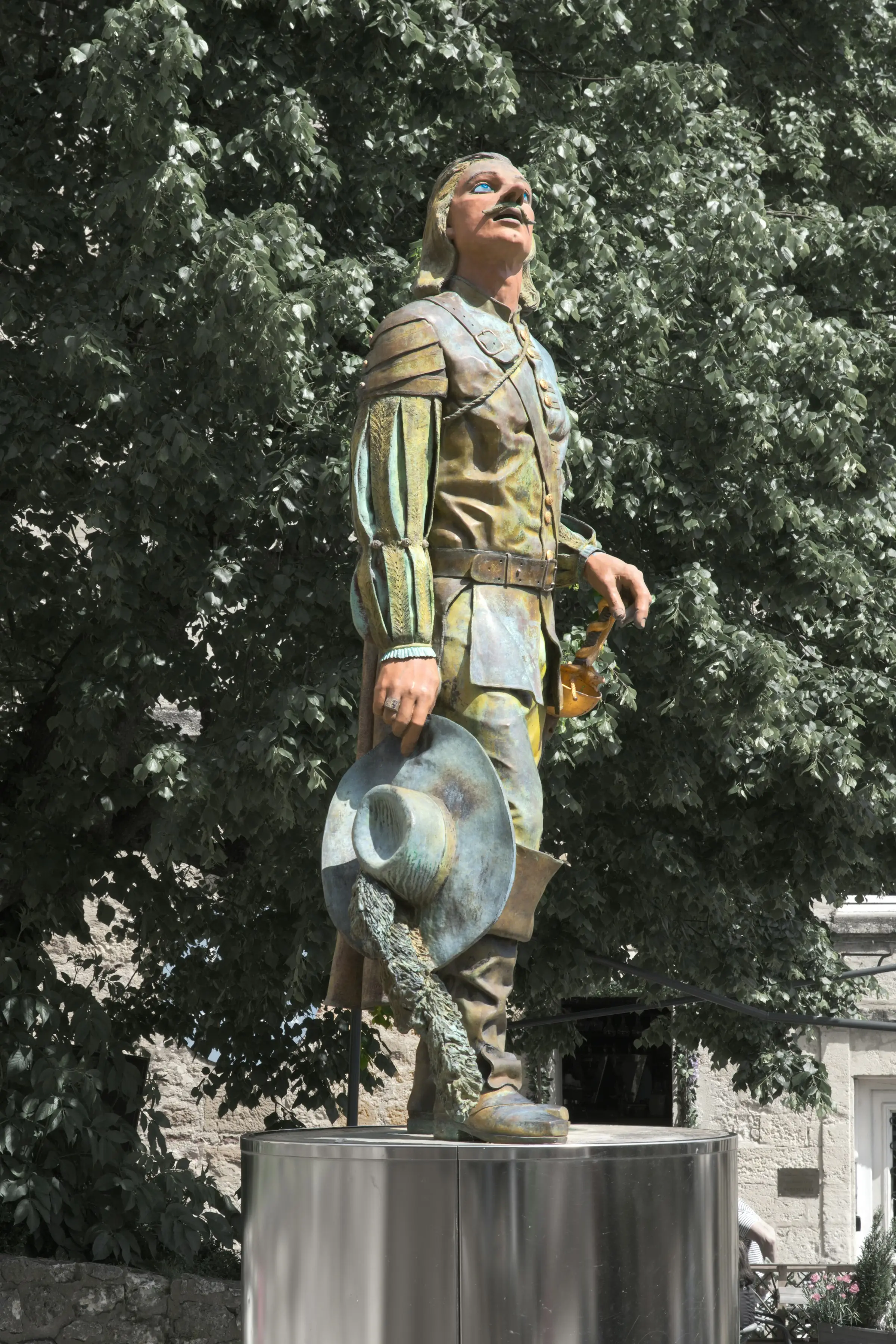 Bergerac 2,021 h of sun a year A working river town of about 27,000 in the Dordogne — the practical capital of anglophone Périgord, with its own airport, its own hospital, and vineyards starting at the edge of town.
 -
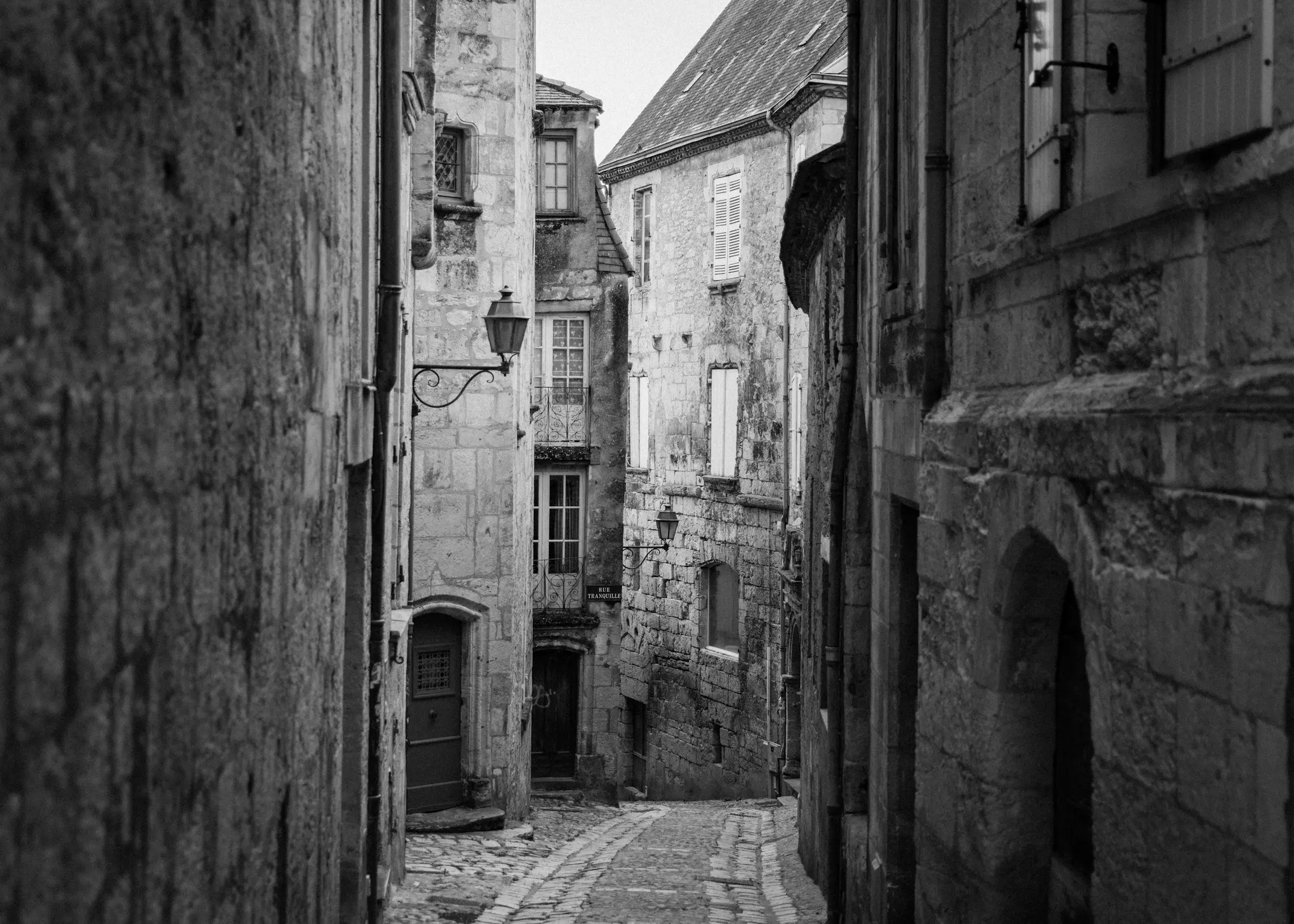 Périgueux 2,021 h of sun a year The Dordogne's prefecture — a working small city of about 29,000 with a five-domed cathedral, a winter food-market tradition few towns in France can match, and the department's principal hospital five minutes from the stalls.
 -
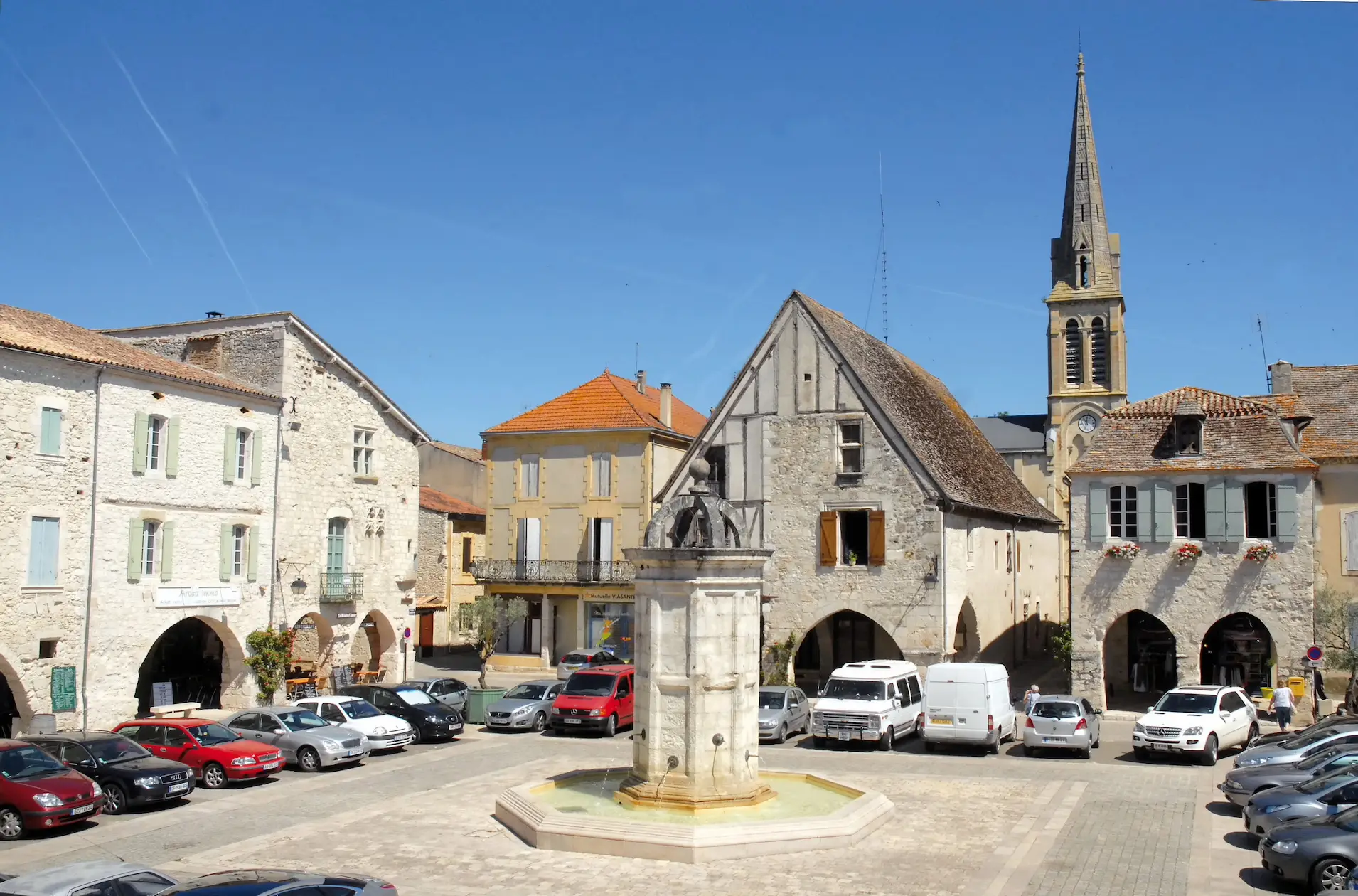 Eymet 2,021 h of sun a year A 13th-century bastide of about 2,600 in the southern Dordogne, the most famously British village in France — instant community for arrivals who dread isolation, and a bubble anyone chasing immersion should weigh honestly.
 -
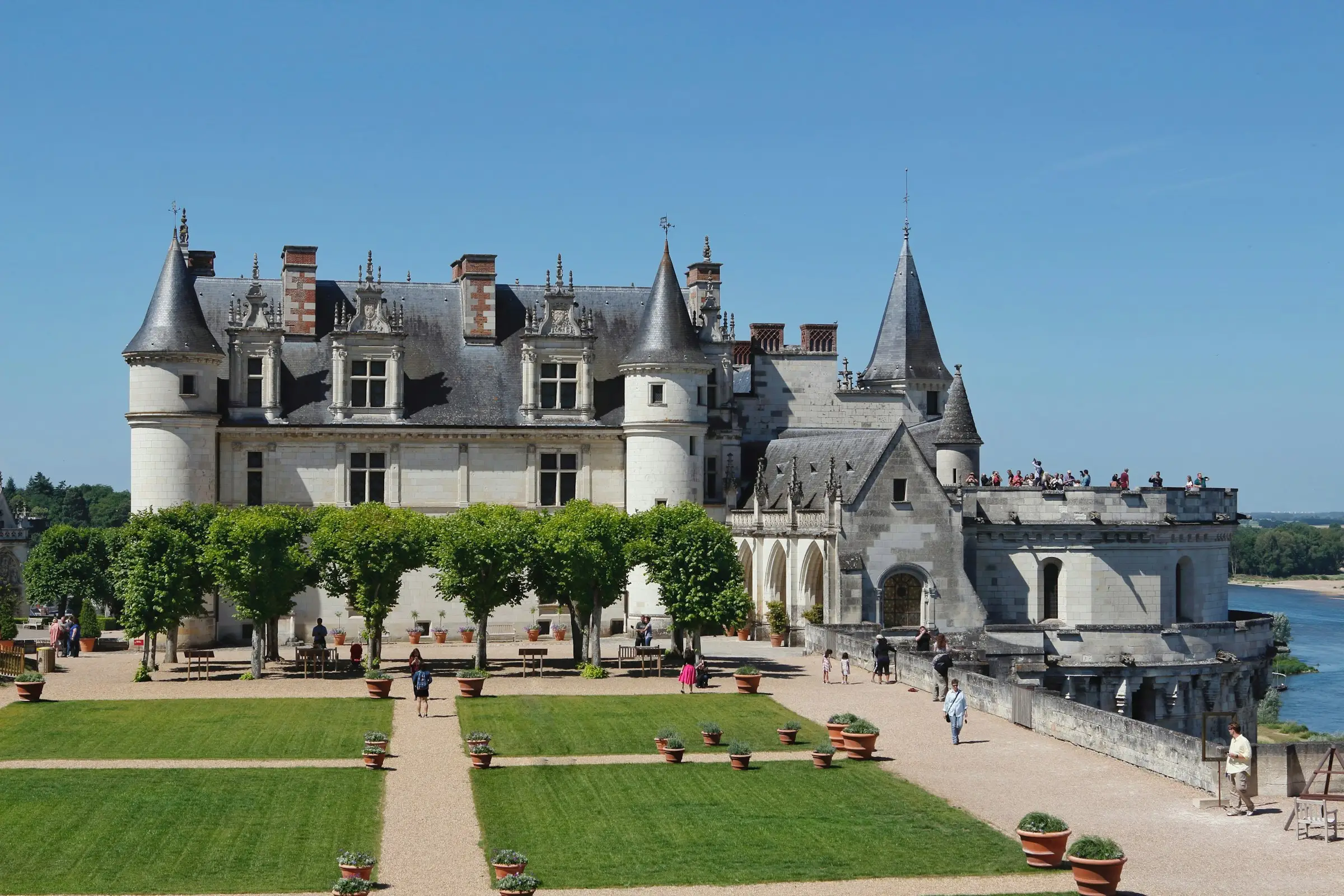 Amboise 1,885 h of sun a year A royal-château town of about 13,000 in Indre-et-Loire, where Leonardo da Vinci spent his last years and one of the region's great Sunday markets spreads along the Loire — day-trippers by the busload in summer, a real market town underneath.
 -
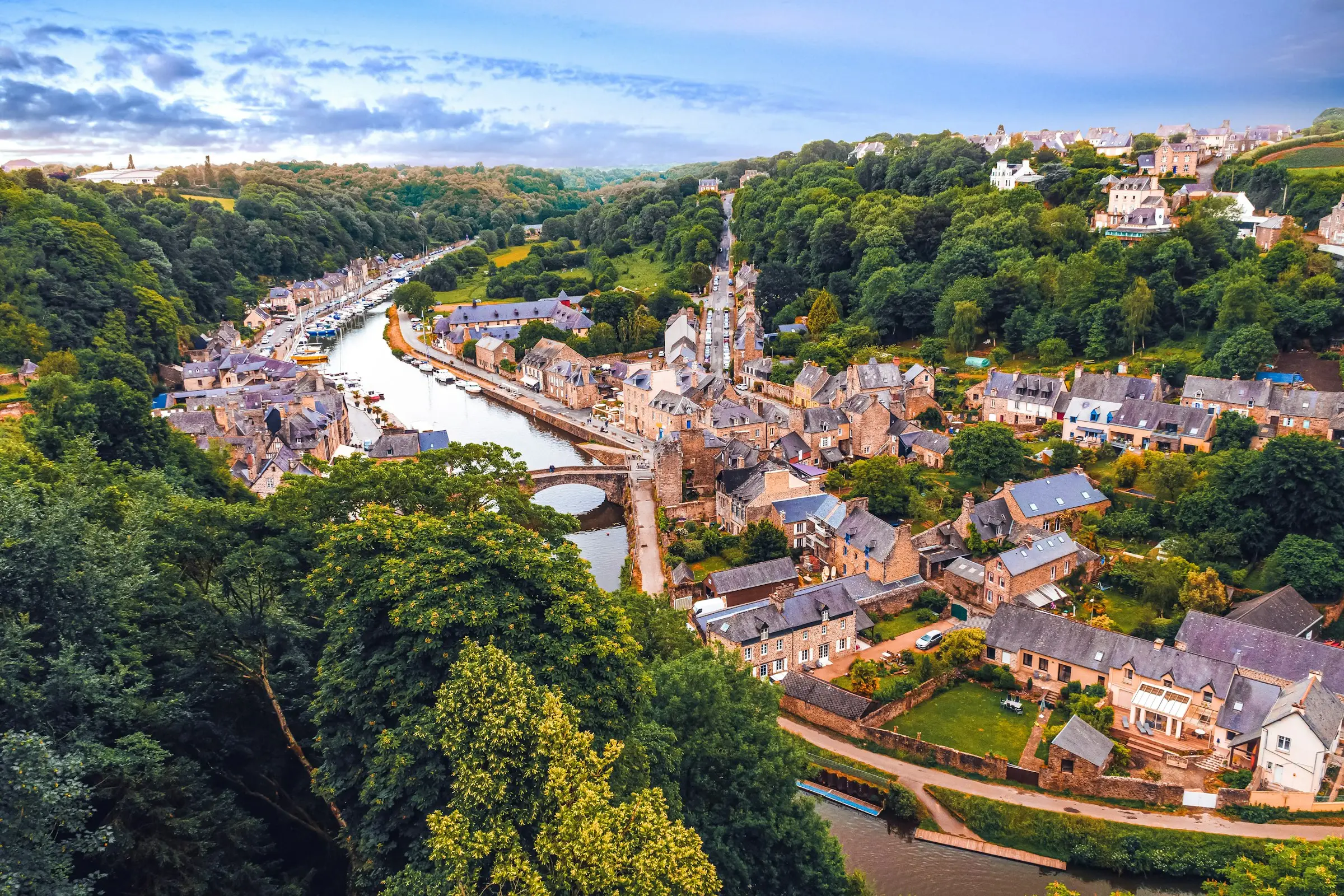 Dinan 1,733 h of sun a year Brittany's best-preserved medieval town — just under 15,000 people in the Côtes-d'Armor, wrapped in the longest surviving ramparts in the region, with a real Thursday market, its own hospital, and weather that rewards honesty.
 -
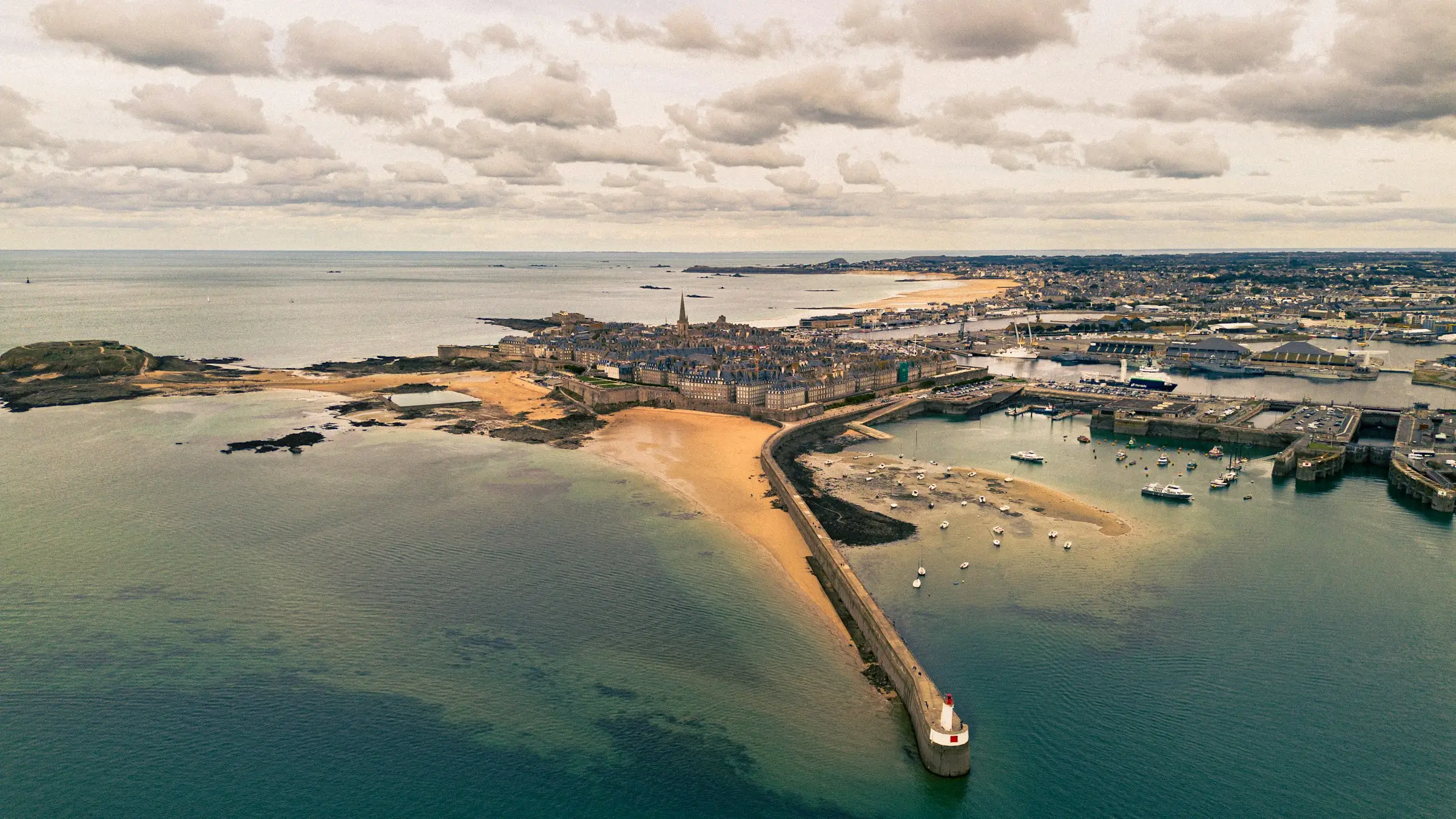 Saint-Malo 1,733 h of sun a year A granite-walled port of about 47,000 in Ille-et-Vilaine, facing the biggest tides in continental Europe — mobbed inside the ramparts in August, stubbornly alive the other ten months, and never once too hot.
 -
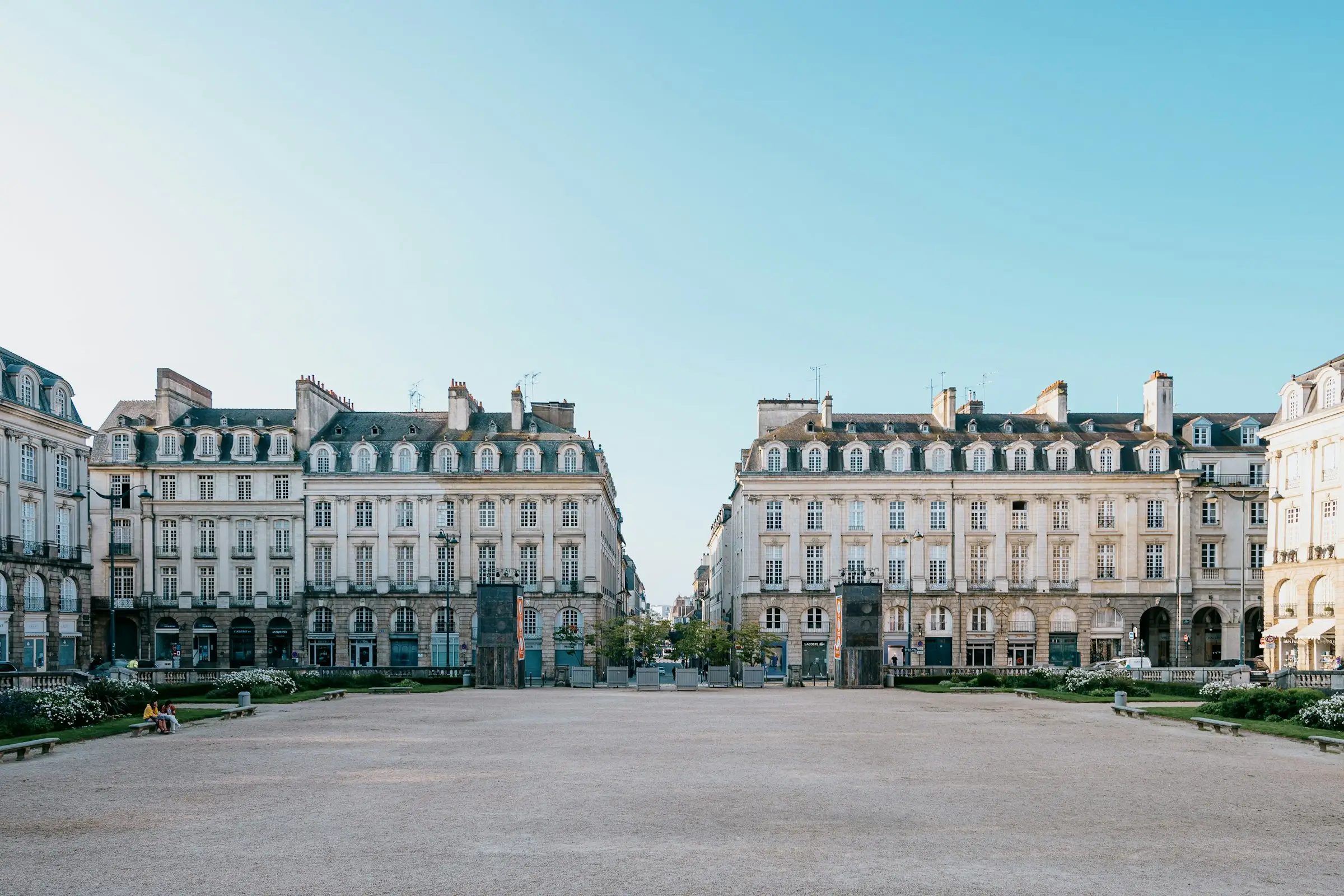 Rennes 1,762 h of sun a year Brittany's working capital of about 230,000 in Ille-et-Vilaine — France's second-largest market on Saturday mornings, a university hospital inside the city, and Paris an hour and twenty-five minutes by TGV. The sky is the tradeoff.
 -
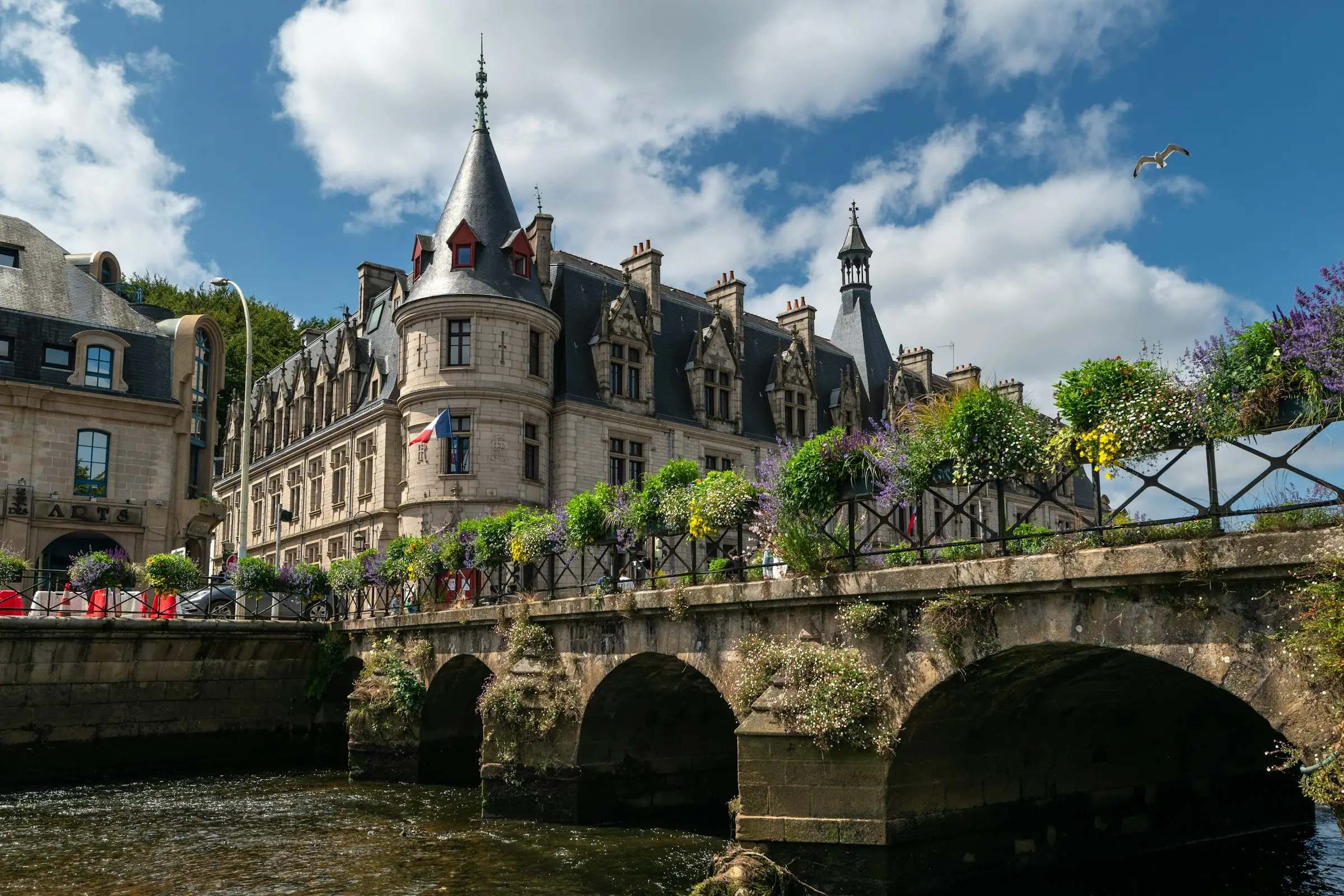 Quimper 1,708 h of sun a year A river-woven cathedral city of about 64,000 in far-western Finistère, the old capital of Cornouaille — markets all week, Breton on the street signs, and an Atlantic sky it won't apologize for.
 -
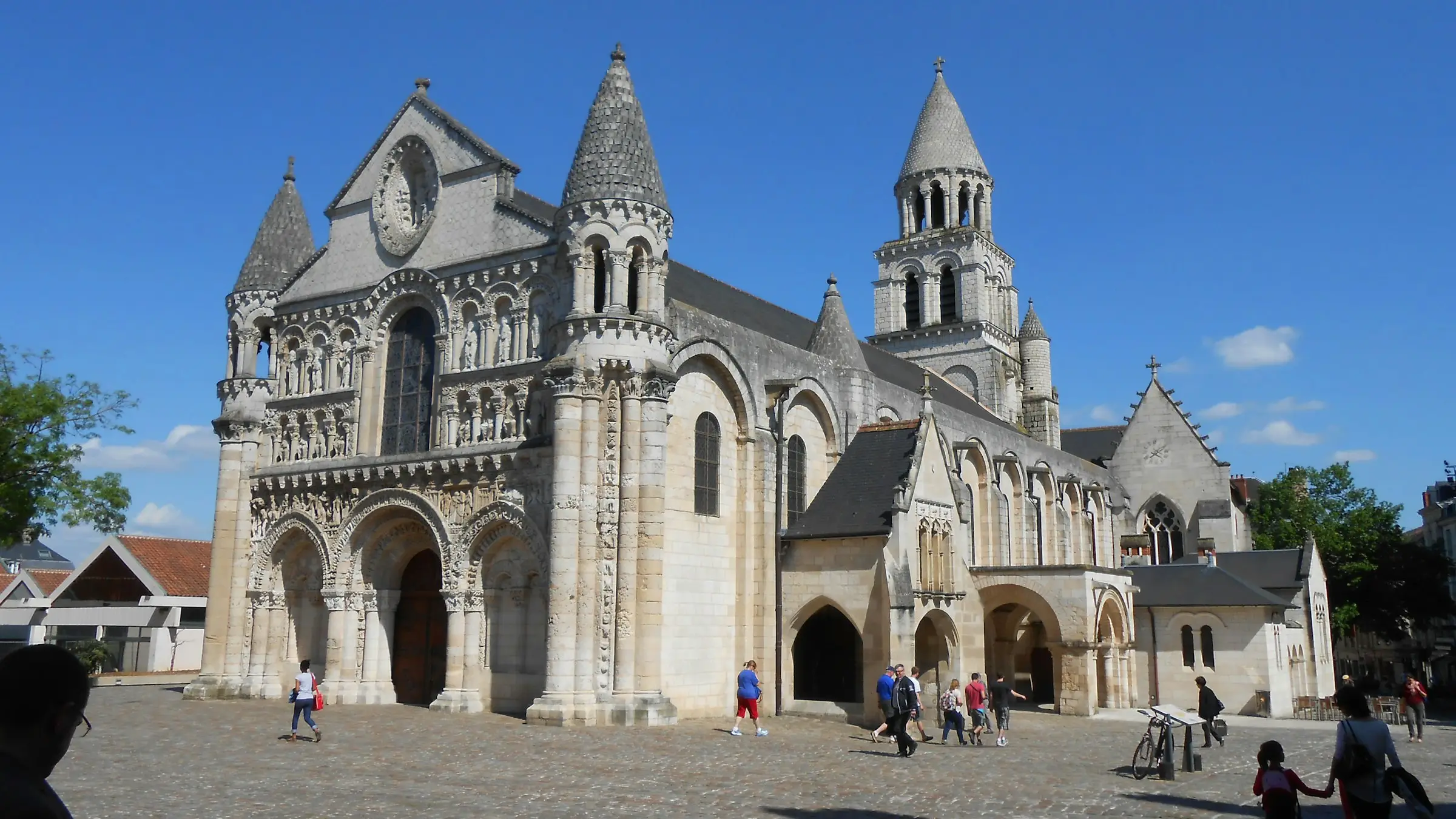 Poitiers 1,941 h of sun a year A Romanesque university city of about 90,000 in the Vienne, with a teaching hospital, a covered market, a university running since 1431, and Paris under an hour and a half away — at prices most French cities left behind years ago.
 -
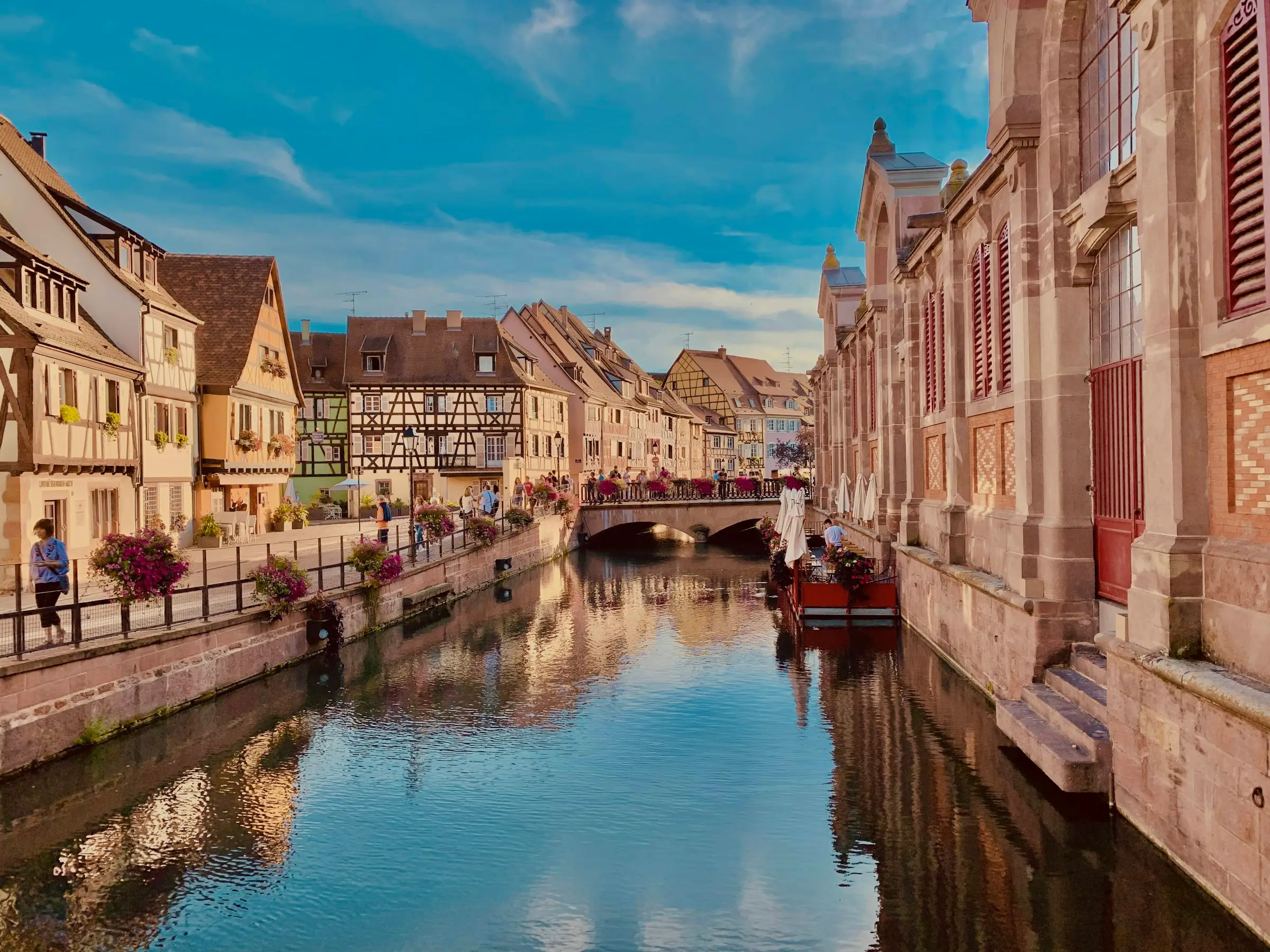 Colmar 1,882 h of sun a year The storybook capital of the Alsace wine route — about 67,000 people in the Haut-Rhin — turns out to be a real working town behind the timbered façades: its own hospital, a covered market that skips only Mondays, and vineyards at the end of the street.
 -
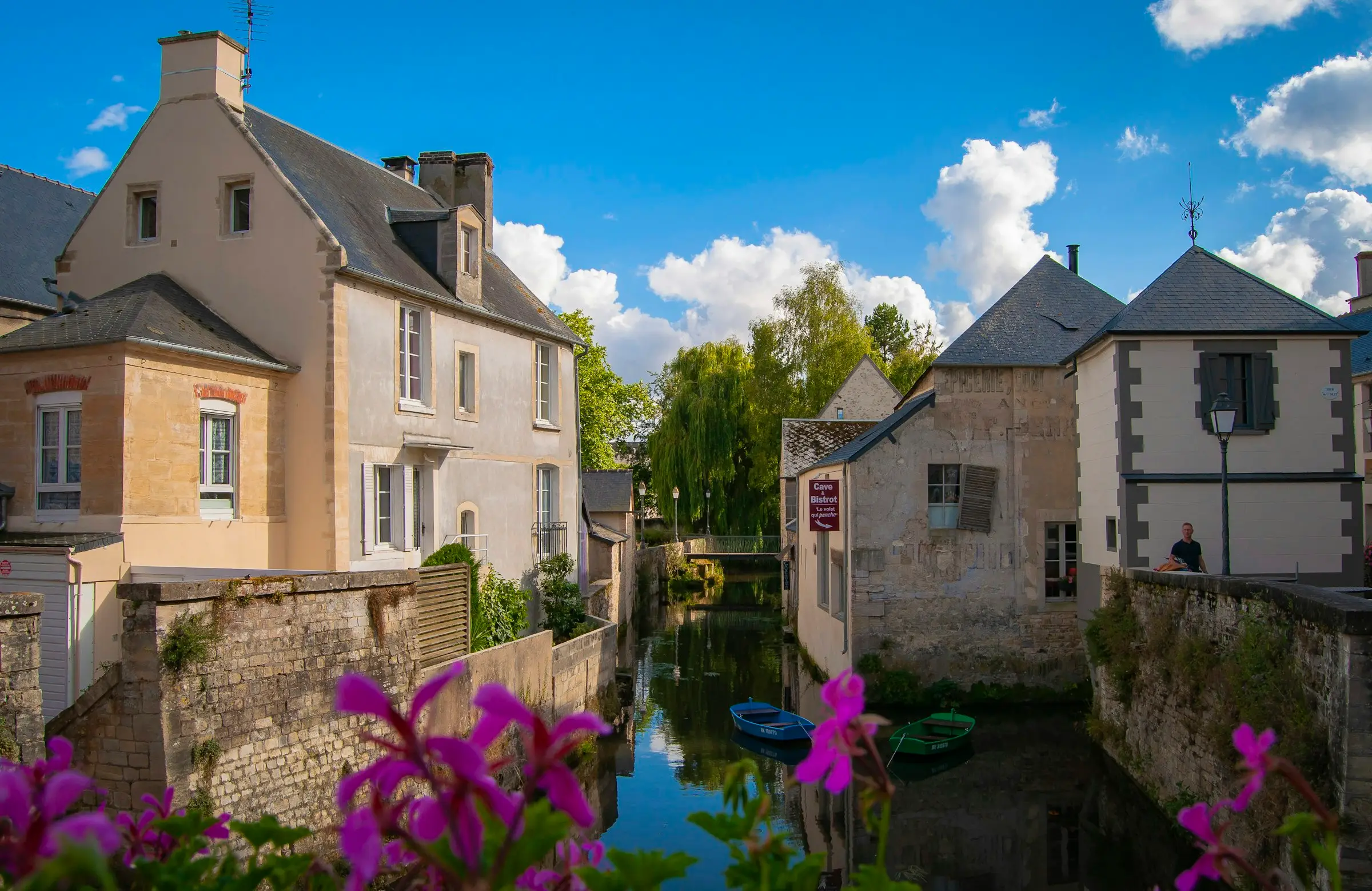 Bayeux 1,746 h of sun a year A stone-and-timber cathedral town of about 12,700 in the Calvados, ten minutes from the D-Day coast — spared in 1944, quietly Anglophile ever since, and greener in every sense than the France of retirement postcards.
 -
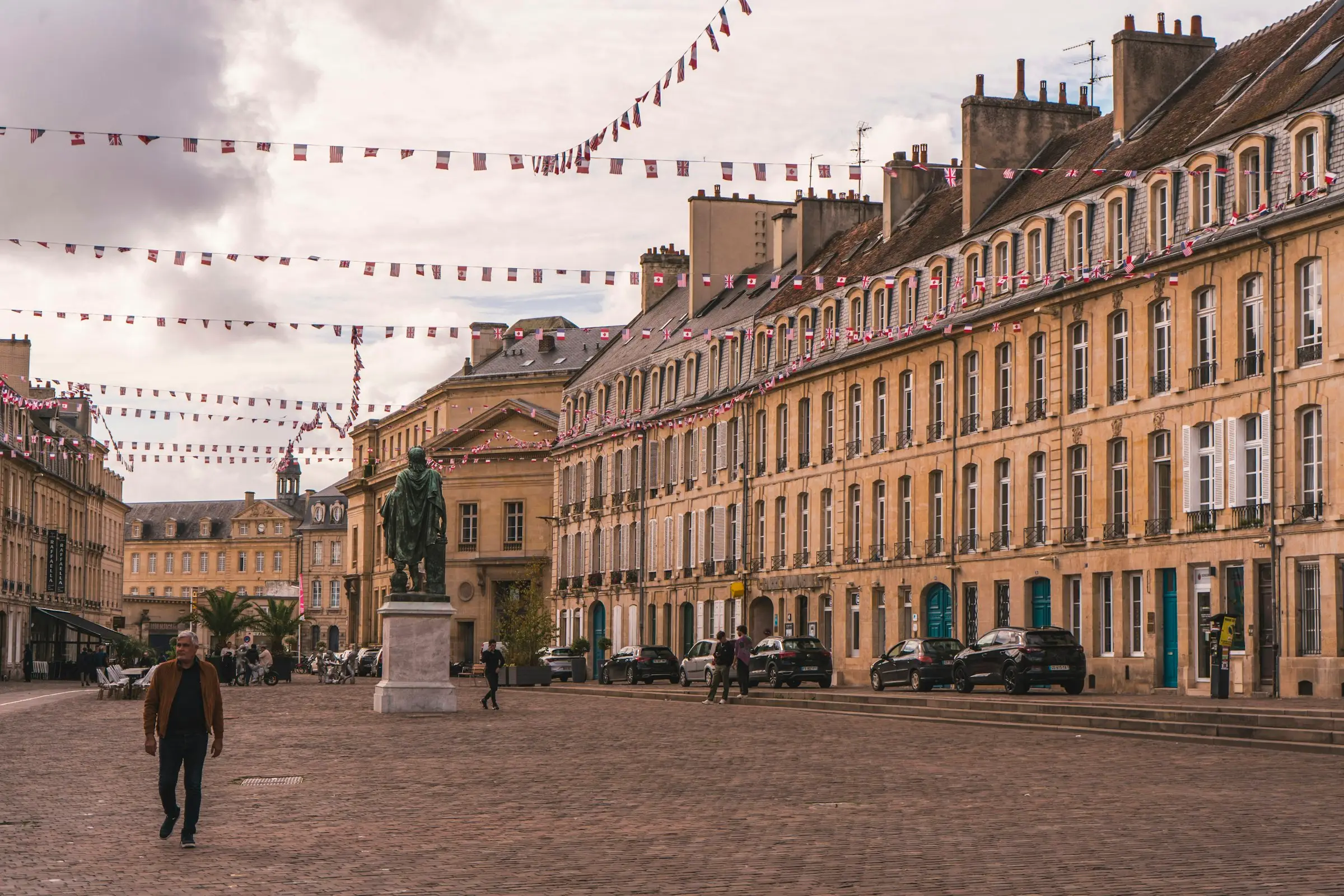 Caen 1,746 h of sun a year Normandy's working capital: a university-and-hospital city of about 110,000 in Calvados, fifteen minutes from the D-Day sand, with a major teaching hospital minutes from the center — and a winter sky you should meet before you commit.
 -
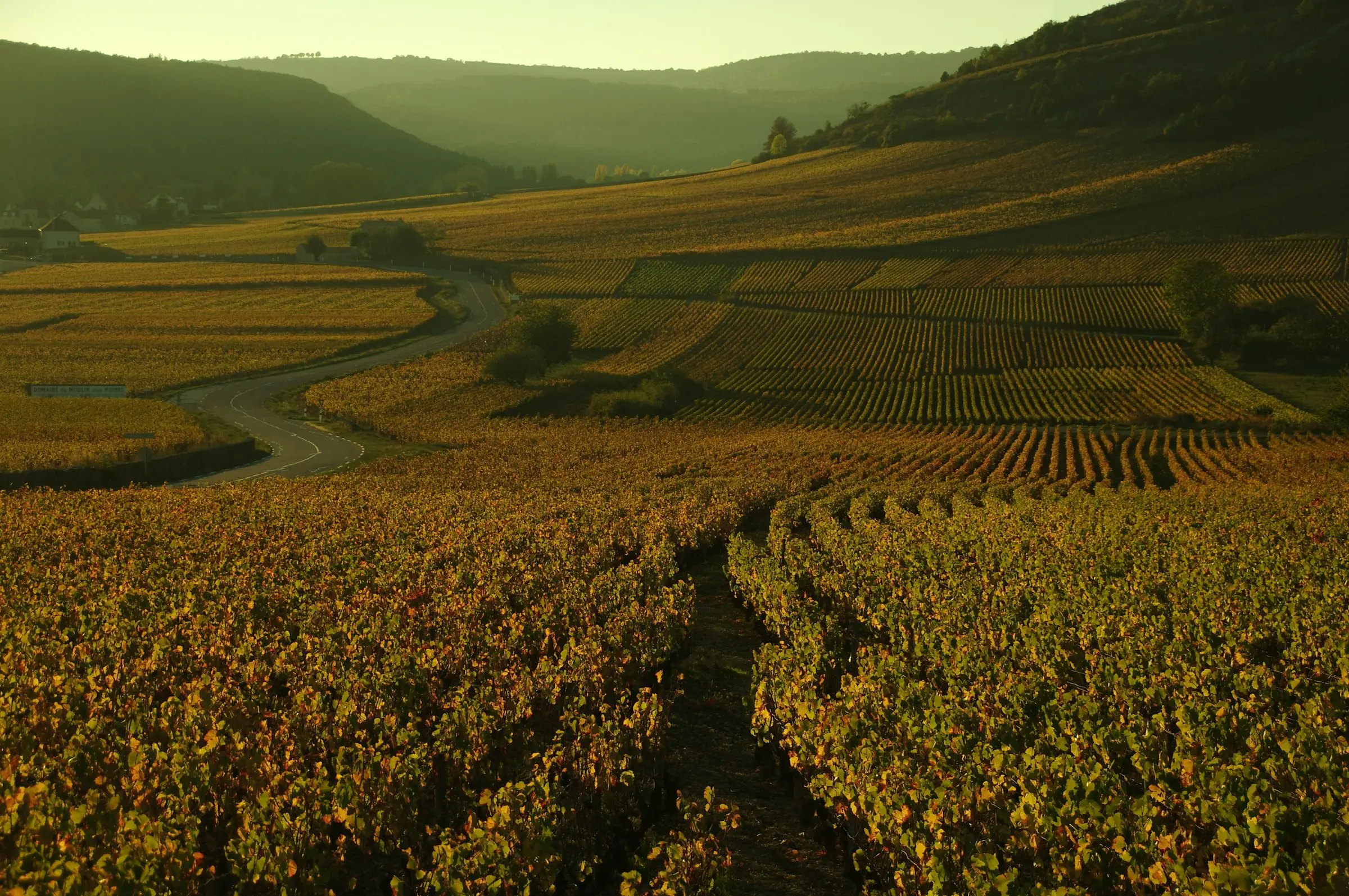 Beaune 1,890 h of sun a year The walled capital of Burgundy wine — about 20,000 people in the Côte-d'Or, one of the region's great Saturday markets, and a charity hospital whose own vineyards have paid its way for centuries.
 -
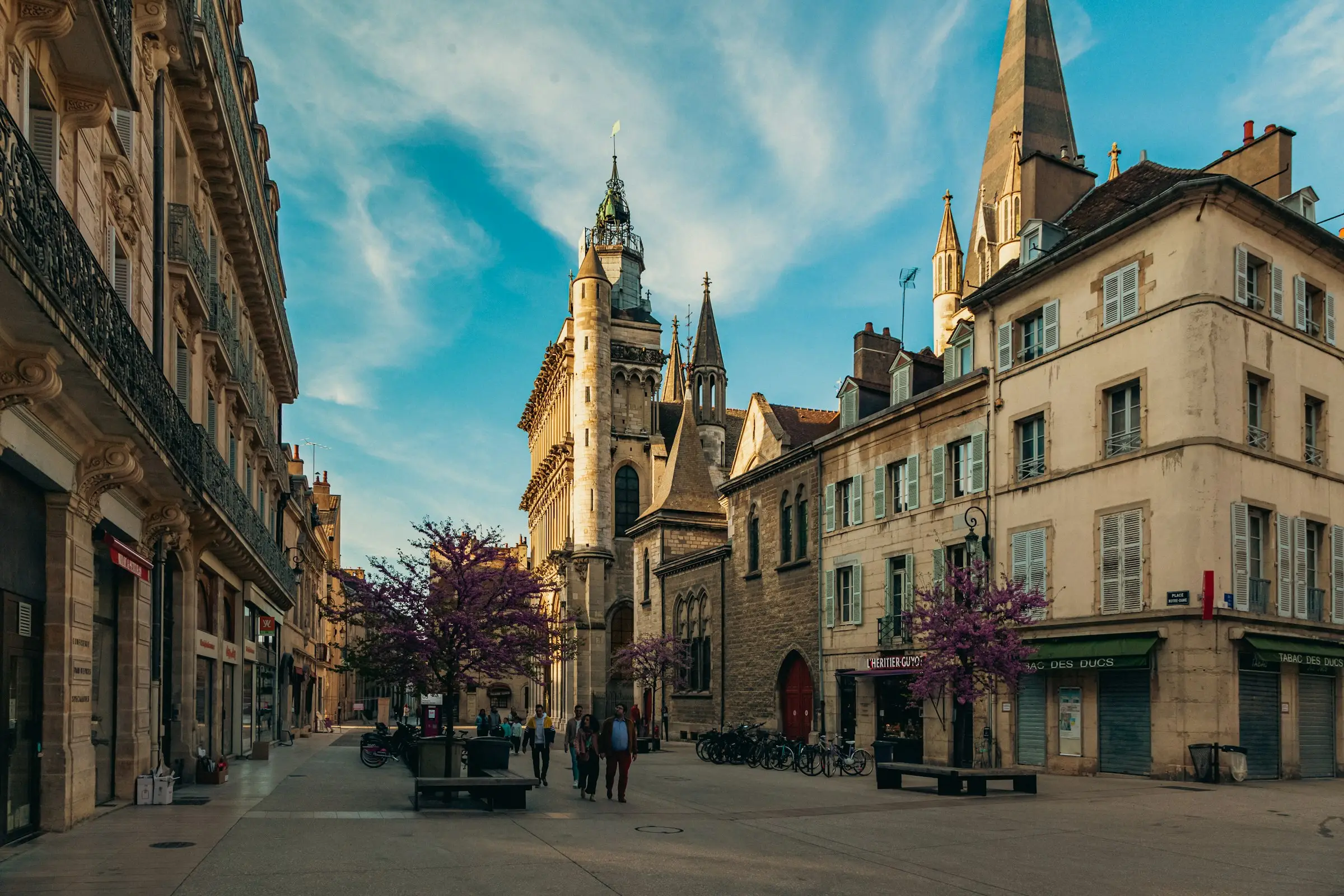 Dijon 1,890 h of sun a year Burgundy's capital — about 160,000 people in the Côte-d'Or — with a ducal palace at its heart, one of France's great covered markets, a university hospital seven minutes away, and the Route des Grands Crus beginning at the edge of town.
 -
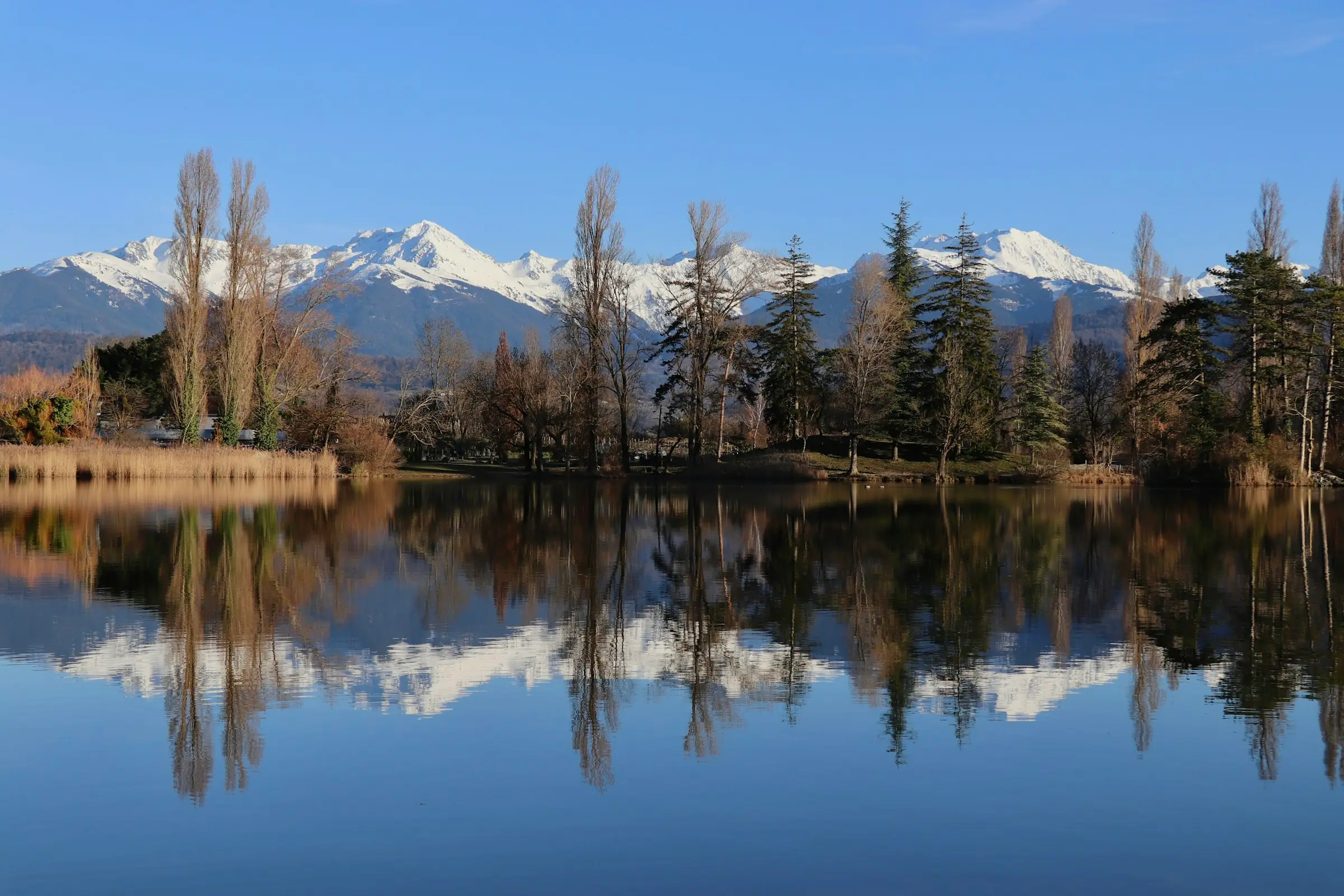 Chambéry 1,895 h of sun a year The old capital of the Dukes of Savoy — a working Alpine city of about 60,000 in Savoie, arcaded like Turin, fifteen minutes from a great lake, and still priced as if nobody famous has noticed.
 -
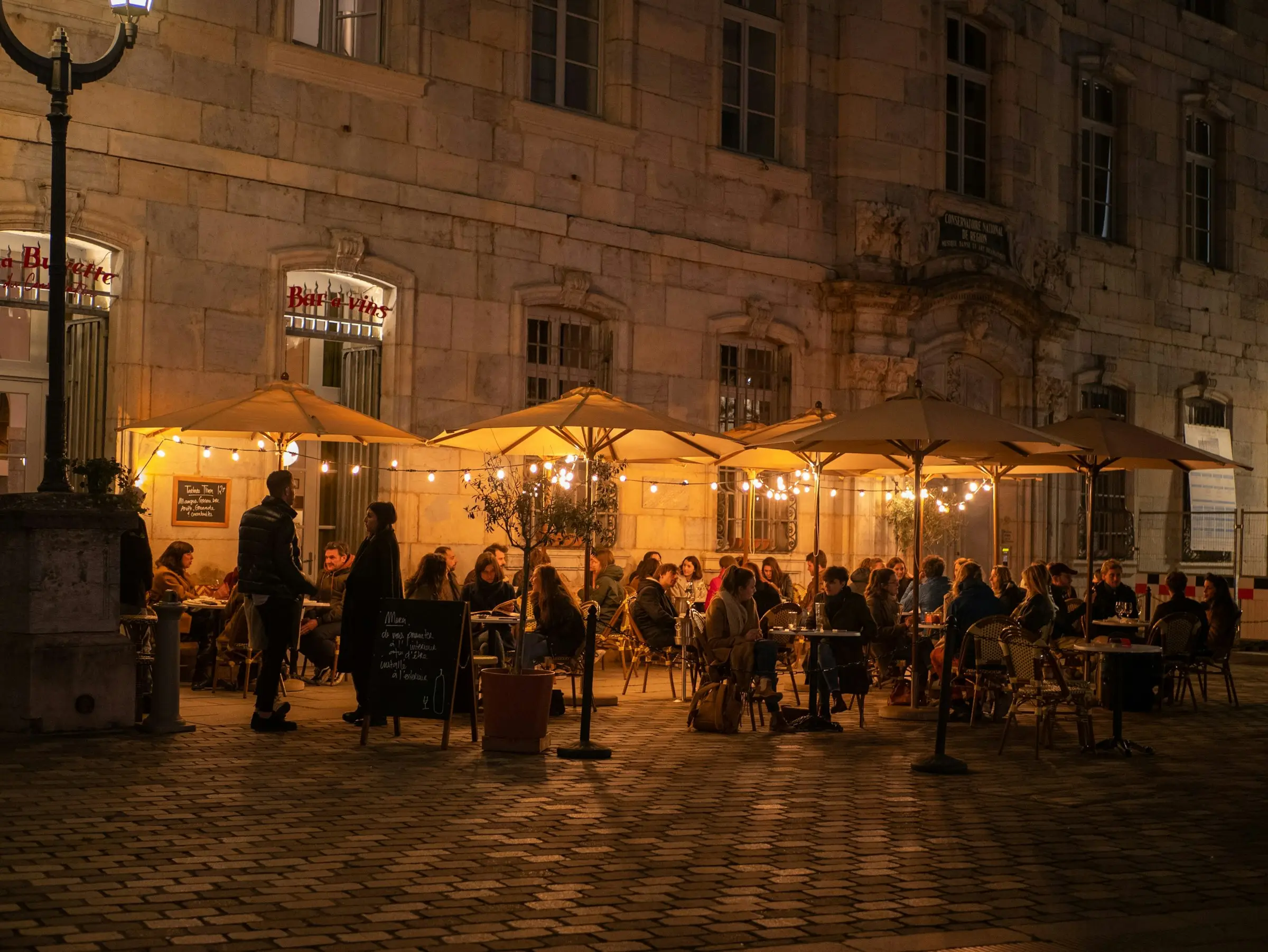 Besançon 1,873 h of sun a year A self-possessed university city of about 118,000 held in a loop of the river Doubs, in the department that shares its name — France's old watchmaking capital, with a UNESCO citadel overhead and better value than almost any French city this complete.
 -
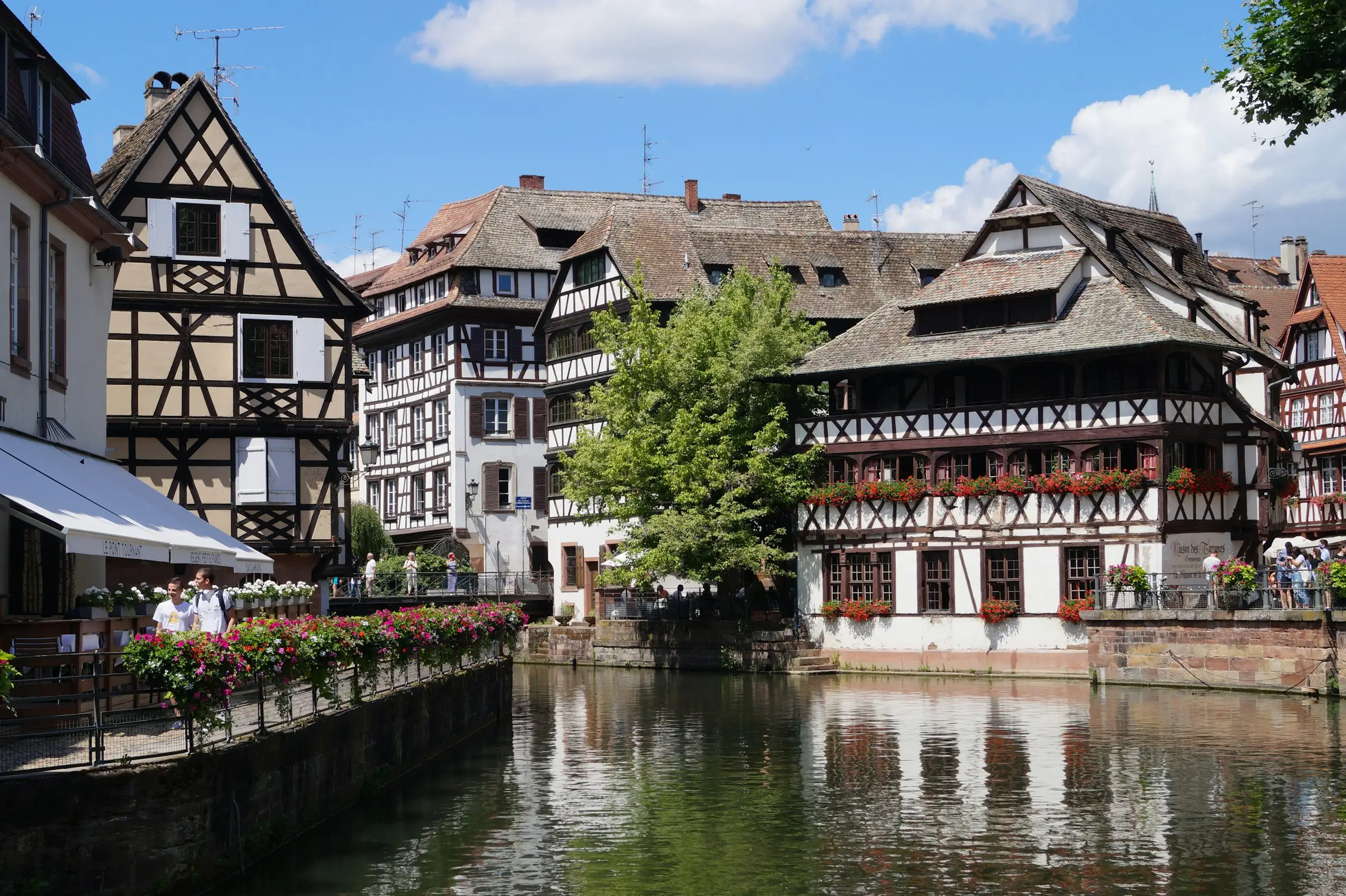 Strasbourg 1,747 h of sun a year A canal-ringed city of about 290,000 in the Bas-Rhin, where winstubs and the European Parliament share the tram map — serious medicine, a storied market life, and winters we'll be honest about.
 -
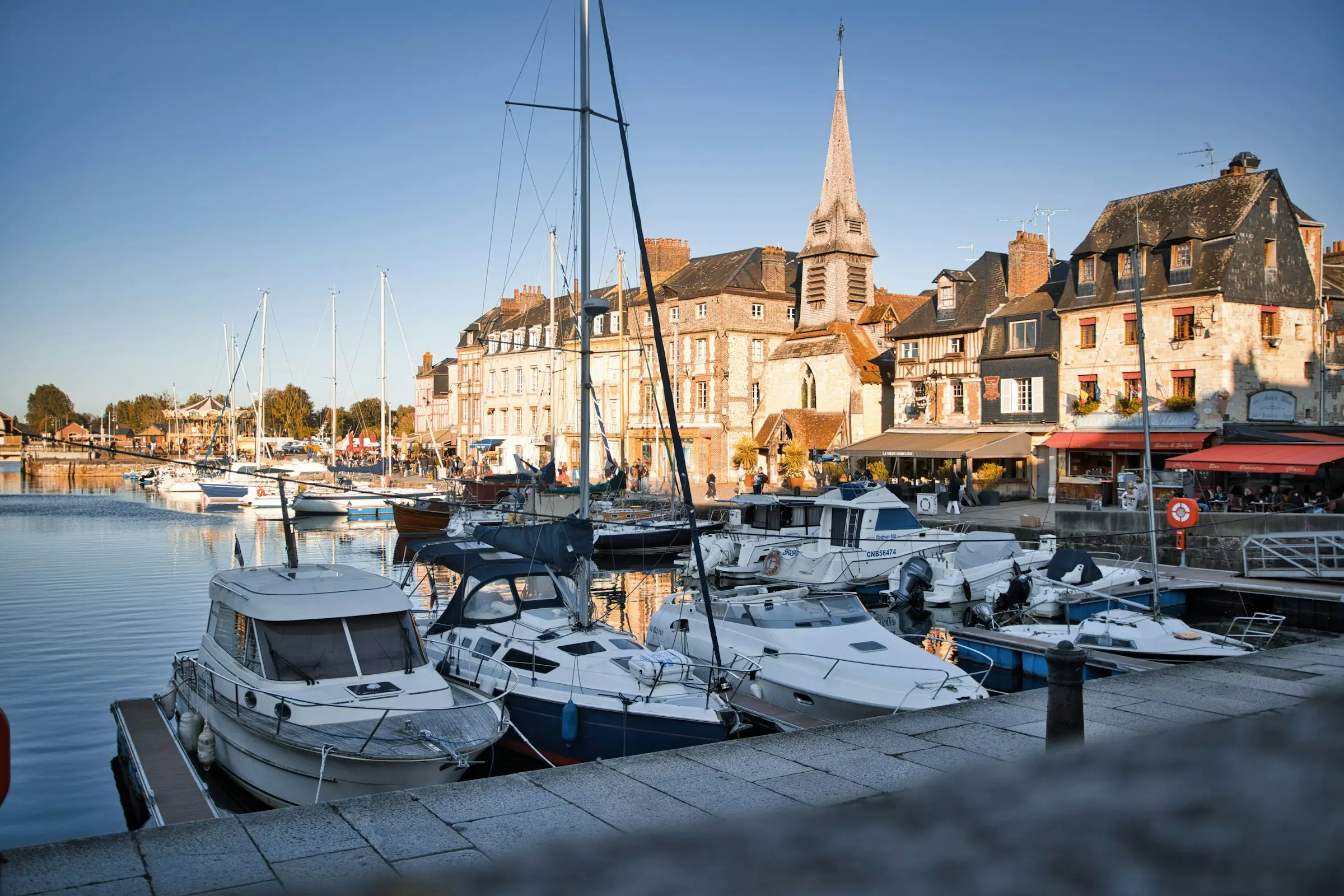 Honfleur 1,651 h of sun a year A slate-fronted port of about 6,600 in the Calvados, where the Impressionists learned their weather — gallery life, a Saturday market under the shipwrights' great wooden church, and Paris two hours away.
 -
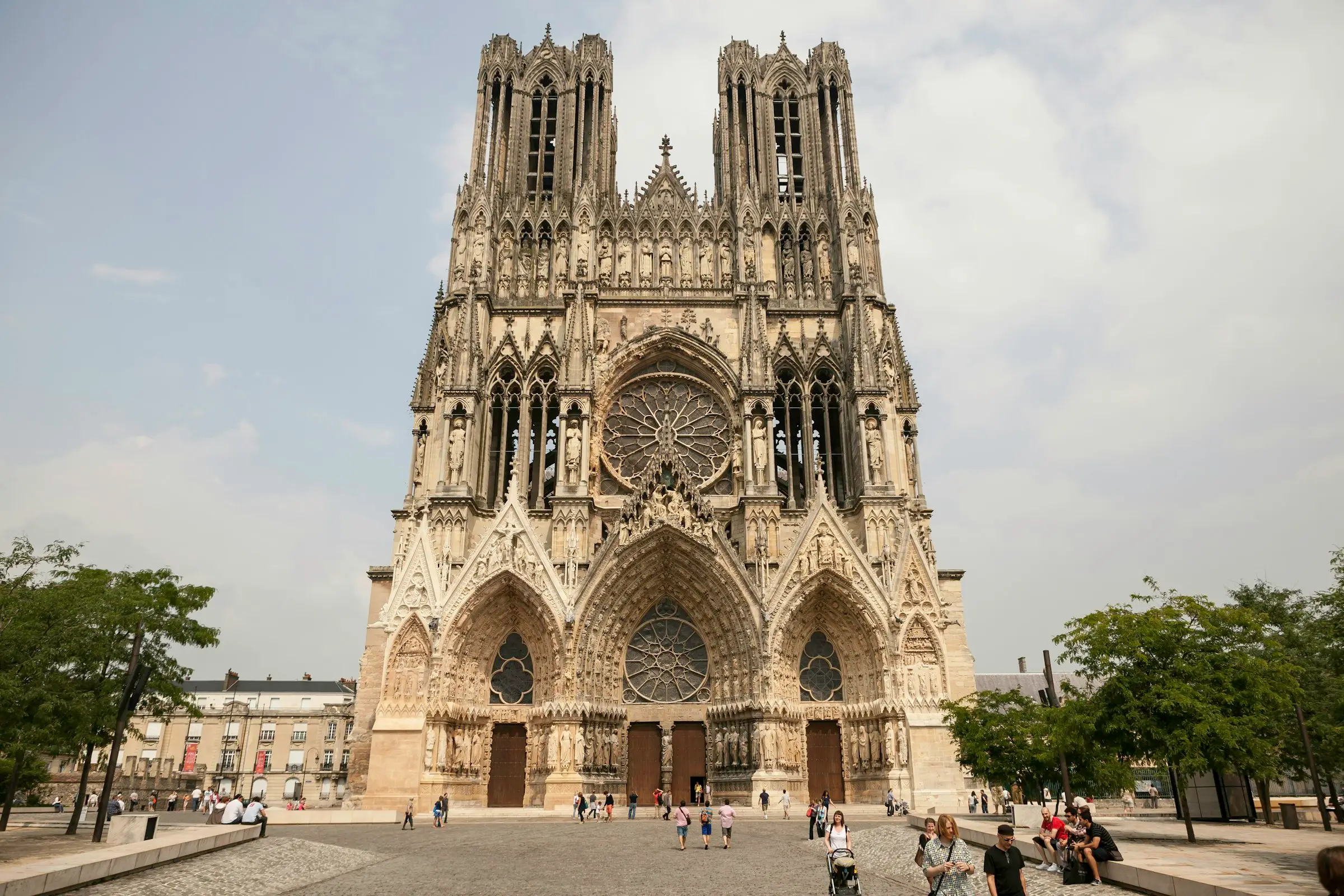 Reims 1,776 h of sun a year A cathedral city of about 178,000 in the Marne, rebuilt in Art Deco after 1914 and run on champagne — with Paris 46 minutes away by train and a university hospital seven minutes from the center.
 -
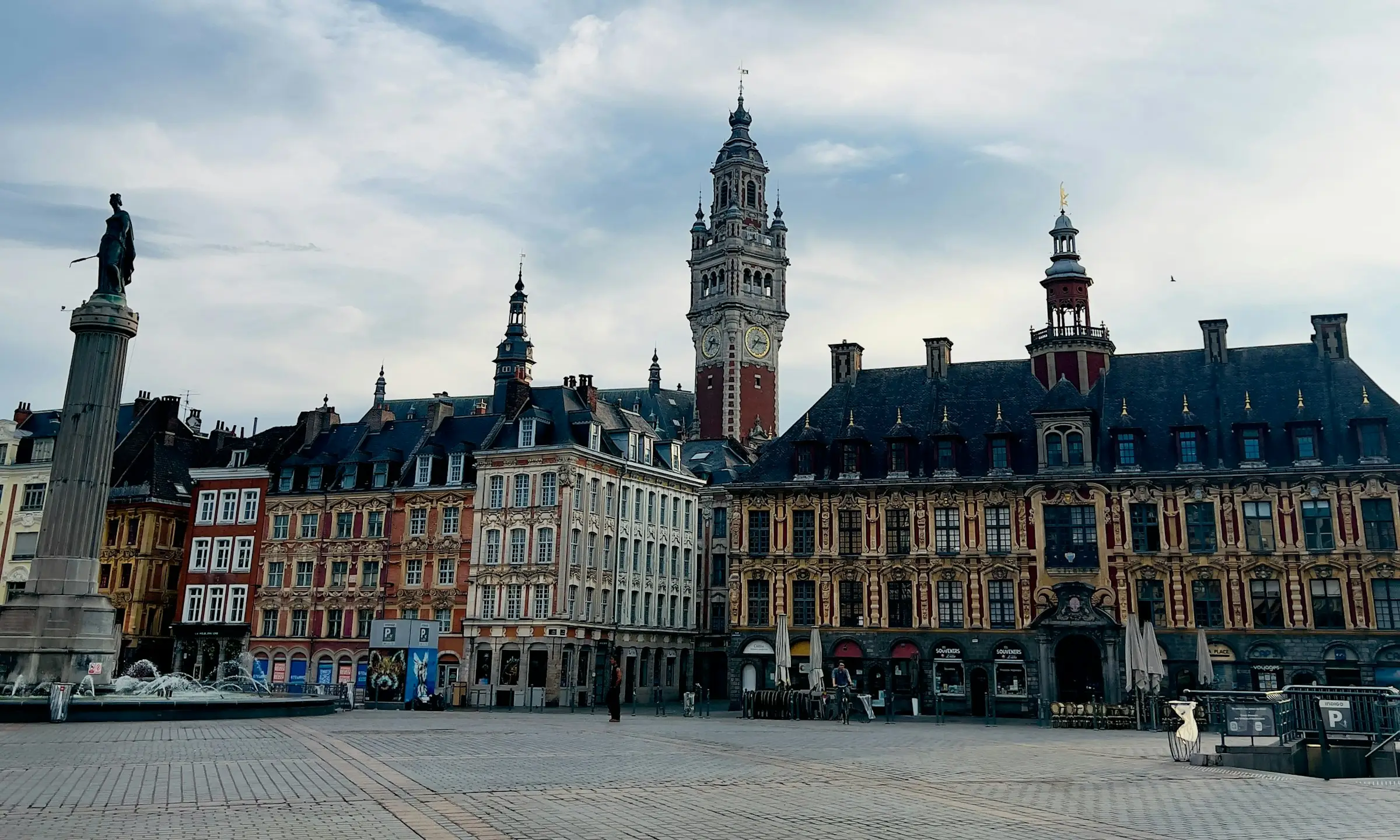 Lille 1,627 h of sun a year A Flemish-brick metropolis of about 240,000 in the Nord — an hour from Paris, thirty-five minutes from Brussels, with one of France's great Sunday markets and the least sunshine of any town we cover.
 -
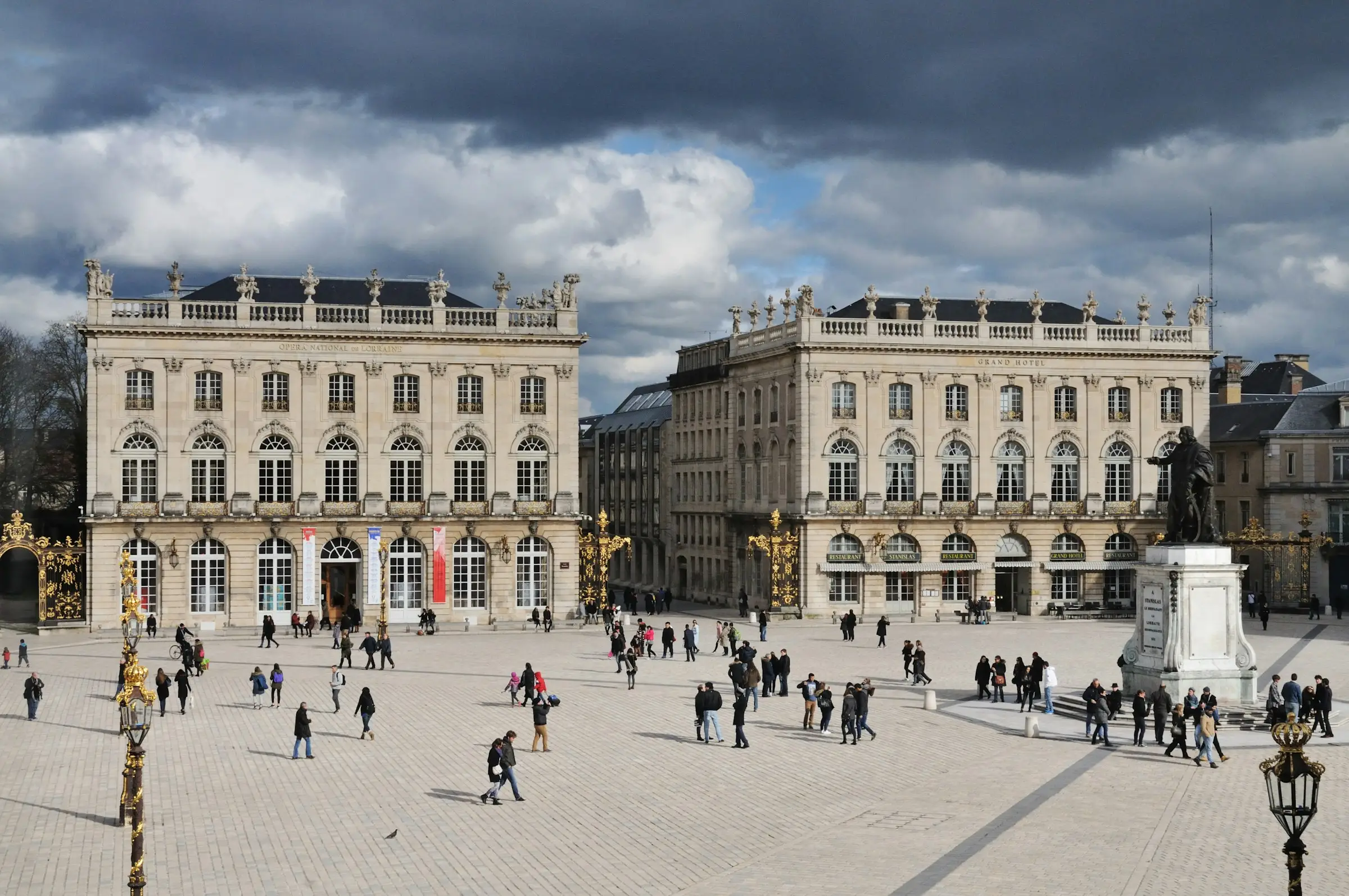 Nancy 1,708 h of sun a year A university city of about 104,000 in Meurthe-et-Moselle, where the grandest square of the French Enlightenment sits inside an unpretentious, strikingly affordable northern town — and winter asks something in return.
Which of the fifty-five is yours?
Nine questions, three minutes — your answers rank all fifty-five towns, honest tradeoffs and all.
Thinking about retiring in France? Aelos orchestrates the whole move — visa, healthcare, taxes, the lot. Meet Aelos →